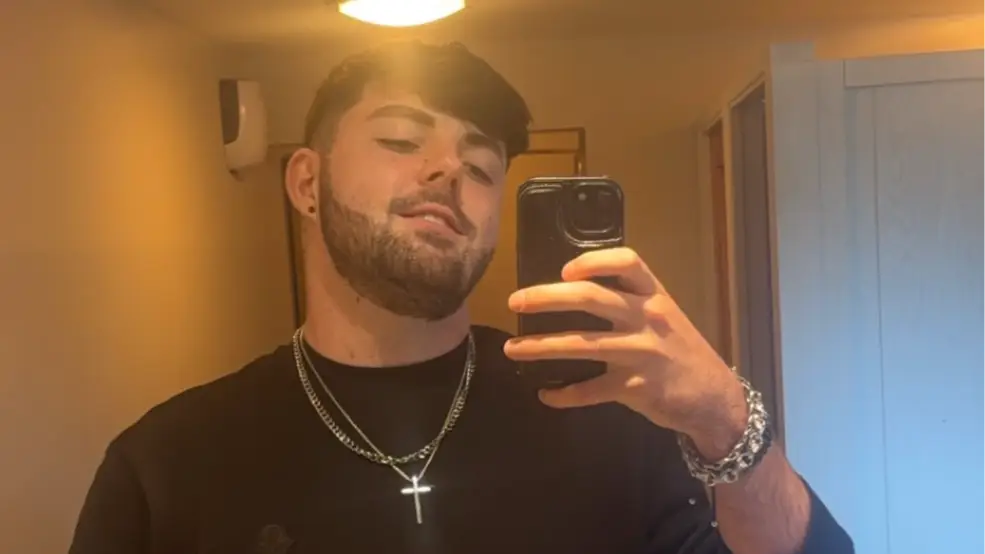
Man with trichotillomania shares the first sign he knew something was wrong

Ruben Chorlton-Owen said he first became aware of trichotillomania (TTM) when he was around 15.
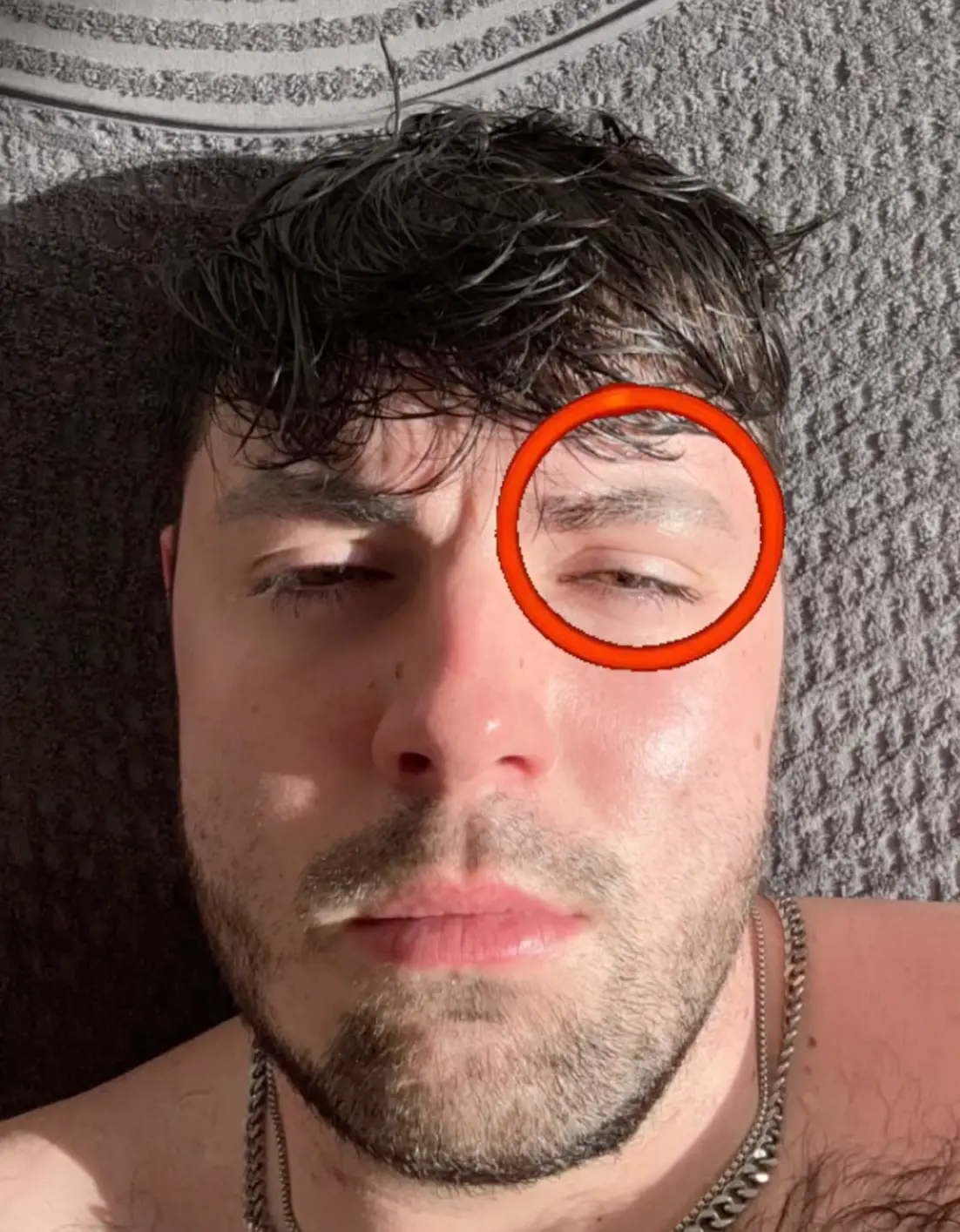
Although he didn't understand what was happening at the time, he started to notice small bald patches in his eyebrows whenever he looked in the mirror.
"I'd see little patches in my eyebrow and think, 'What have I done?' I didn't really know what was going on," the content creator (@savage) from from Abersoch, North Wales tells LADbible.
It wasn't until he researched his symptoms that he discovered he had TTM; a mental health related condition that causes an urge to repeatedly pull out your own hair.
Advert
While it can affect the scalp, eyebrows and eyelashes, Ruben's condition mainly affects his beard and eyebrows.
The 24-year-old says the urge is often impossible to control, particularly during periods of stress, boredom or anxiety.
One of the biggest clues that helped him understand the triggers came while watching an 'intense film' at the cinema.
Only after he realised that he’d been pulling out his hair for over 15 minutes.
"When it's bad, I won't notice I'm doing it. That's the thing. You don't realise you're doing it until you've already caused the damage. You might look down and realise there's hair in your hand, but you haven't noticed what you've been doing for 10 or 15 minutes. By then, it's too late to stop," he said.
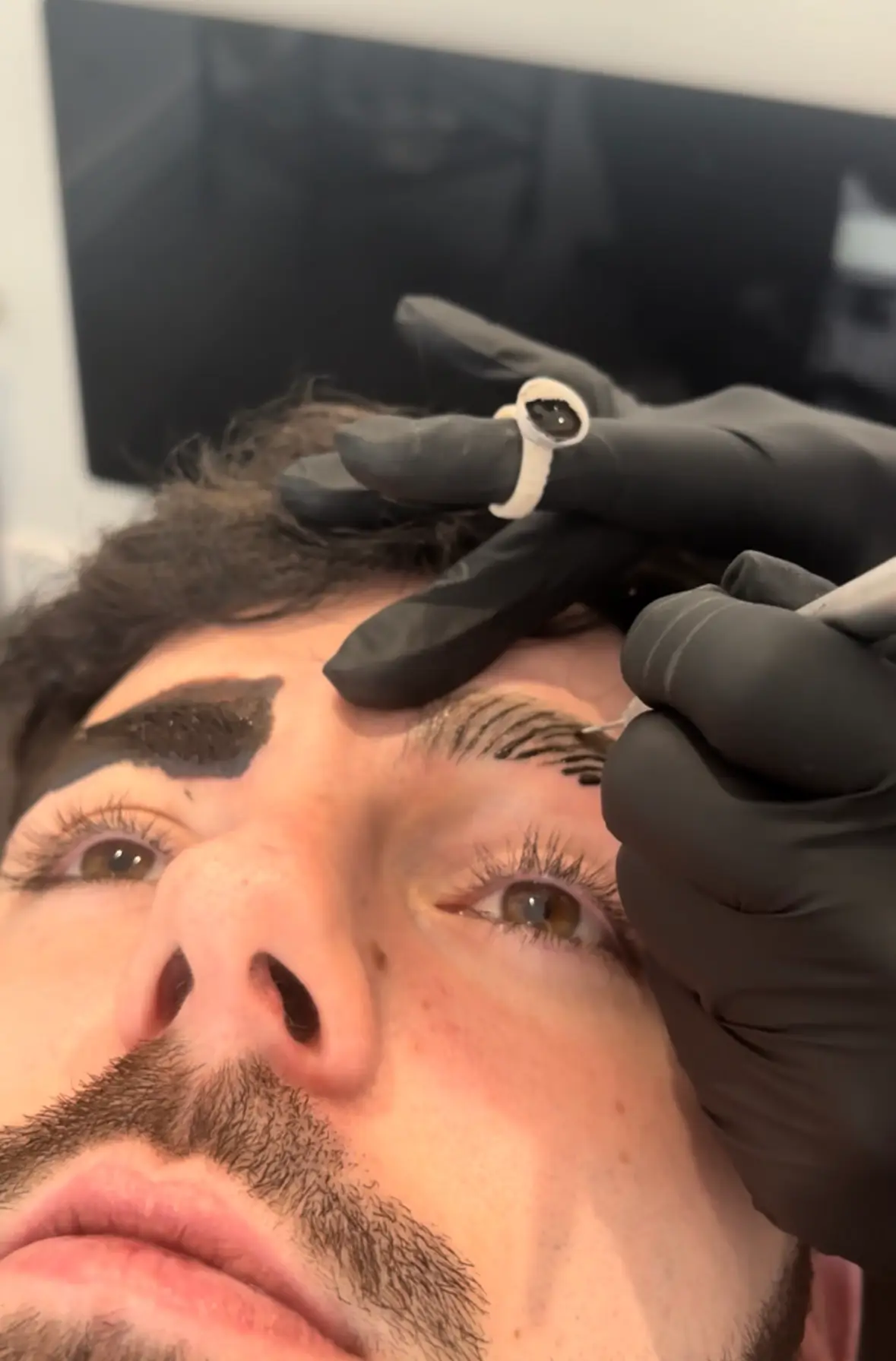
"It can become a very vicious cycle because once you've done quite a bit, you just want to do it more and more. You think, 'Right, I need to fix this,' but there obviously isn't any fixing it by pulling out more hair. That's just how it works."
The condition would knock Ruben's confidence, leaving him reluctant to film content or socialise when visible patches appeared.
"There were definitely times when I'd put work off. If someone said, 'Let's go and film,' I'd find an excuse not to. Even going out, I'd feel a bit low because I didn't want people commenting on it all night," Ruben added.
"When it was really bad, I didn't even know I was doing it until I looked in the mirror or noticed the hair in my hand. Then I'd think, 'What have I done?'"
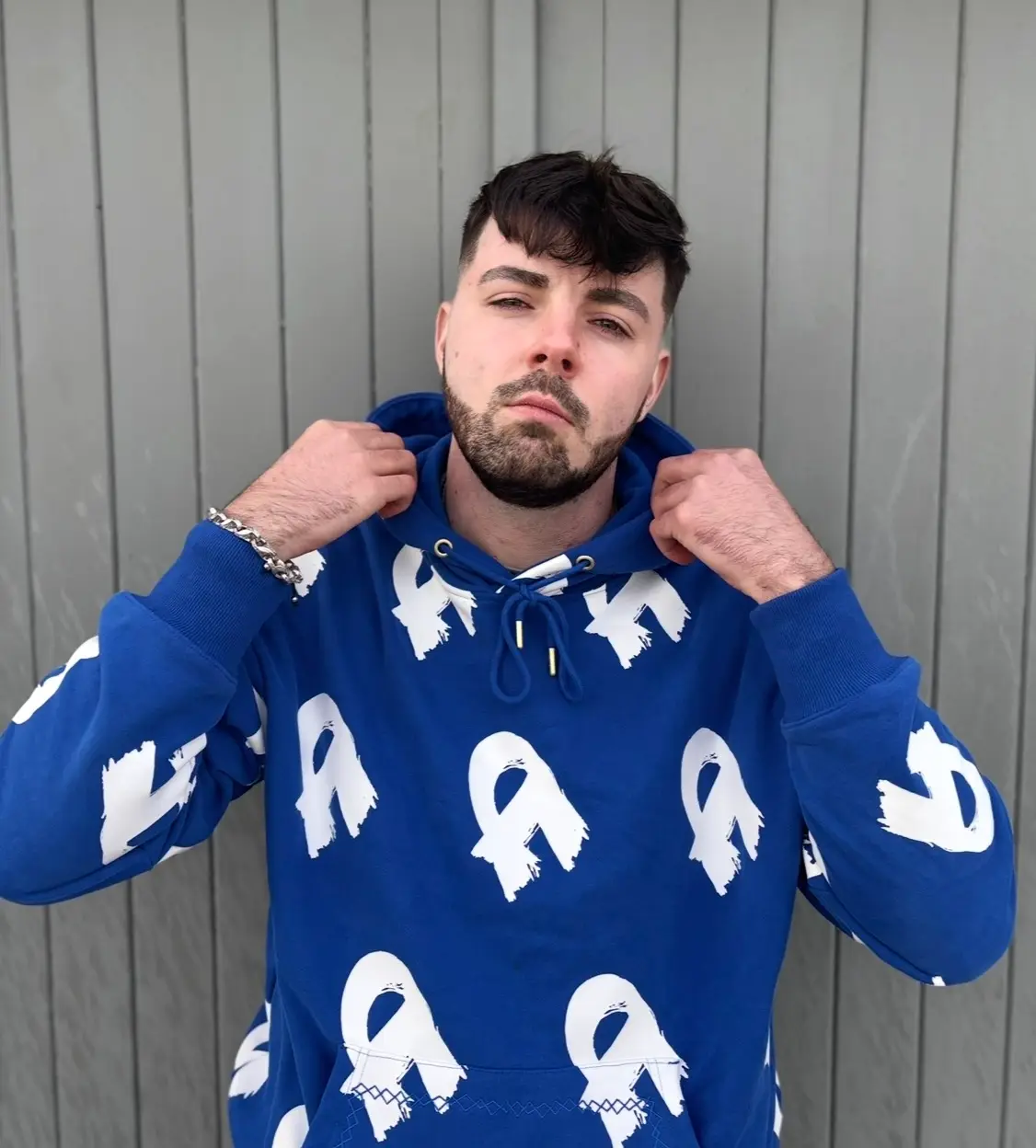
He found it convenient to blame it on ‘a shaving mishap’ rather than to explain the real cause, fearing people wouldn't understand.
After opening up to friends, family and his partner, he says life has become much easier.
Those closest to him now gently point out when they notice him pulling his hair, helping him stop before it escalates.
Keeping busy, tackling household chores or changing his environment are some of the practical ways he manages to control the urge.
While there is currently no cure, Ruben hopes that greater awareness will encourage more research into the condition and reassure others who may be struggling in silence.

His advice: "Don't be ashamed. It doesn't make you any different to anyone else. Tell someone you trust and remember you're not alone.
"I've just come to terms with it now. It doesn't bother me at all if I go out or make a video. Honestly, I'm not that bothered anymore.
"I just woke up one day and thought, 'You know what? It's just me. I accept it. It's part of me. I've just got to accept it, move on and be happy'.
"I naturally know most of the time when I'm doing it now, and I stop myself.
"I think about it before, rather than after. When I see my hand moving, I'll think, 'Right, there you go. I'm doing it.' Then I go and do something else."
Topics: Lifestyle
 Anish Vij