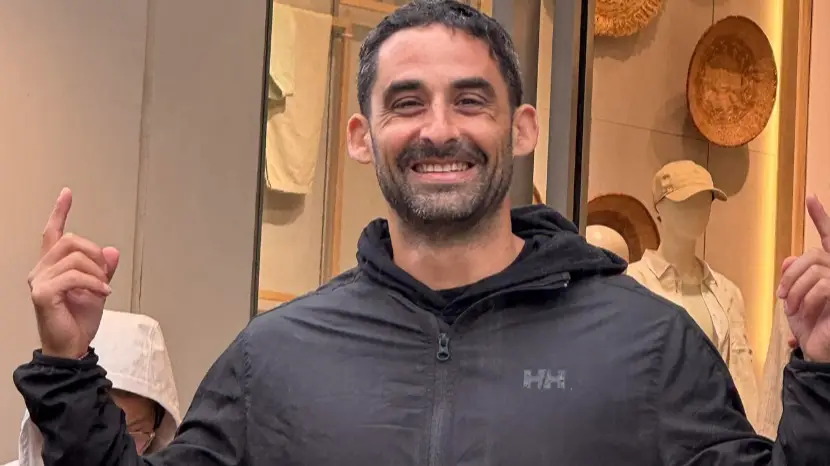
Man shares warning after losing $1,600,000 of Bitcoin he thought was '100% secure'

Bitcoin holders around the world have been targeted in a Coldcard hack that's resulted in over $100 million of the cryptocurrency being stolen, and one man who lost his had to break the news to his family.
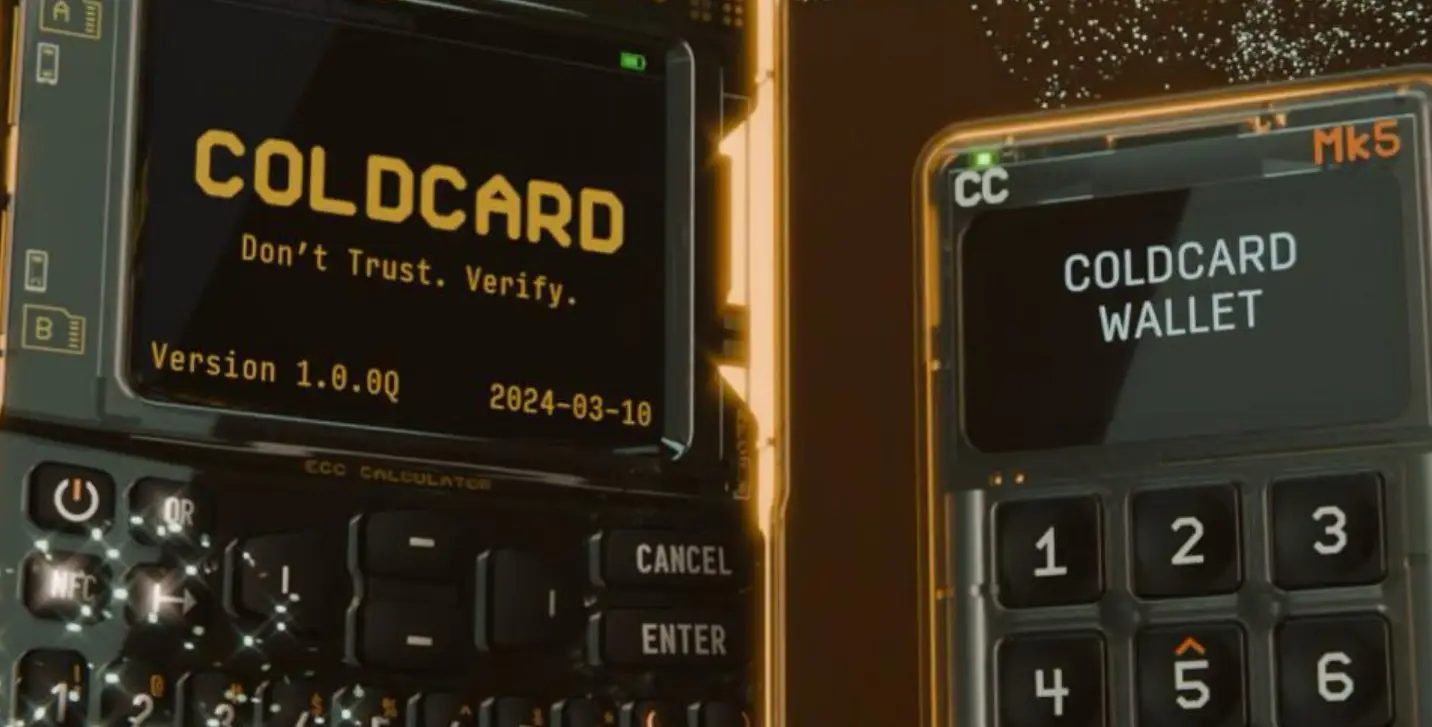
Entrepreneur Jonathan Goodman thought he 'did everything right' when looking after his Bitcoin as he'd stored it with Coldcard, a device made by Canadian company Coinkite which is supposed to make things more secure.
When you buy Bitcoin the thing you've bought stays on a public blockchain network, but to access them you need 'seed phrases', random words supposed to be almost impossible to guess, which act as a key for a cryptocurrency wallet.
The idea for Coldcard is it stores the seed phrases on a device not connected to the internet which in theory should make it more secure, and Jonathan kept his in a safety deposit box.
Advert
Last month Coinkite announced there was a software bug which hackers had used to reconstruct people's seed phrases, and Jonathan told LADbible that when he sat down at a computer at the library on 31 July to check his own account he discovered it was all gone.
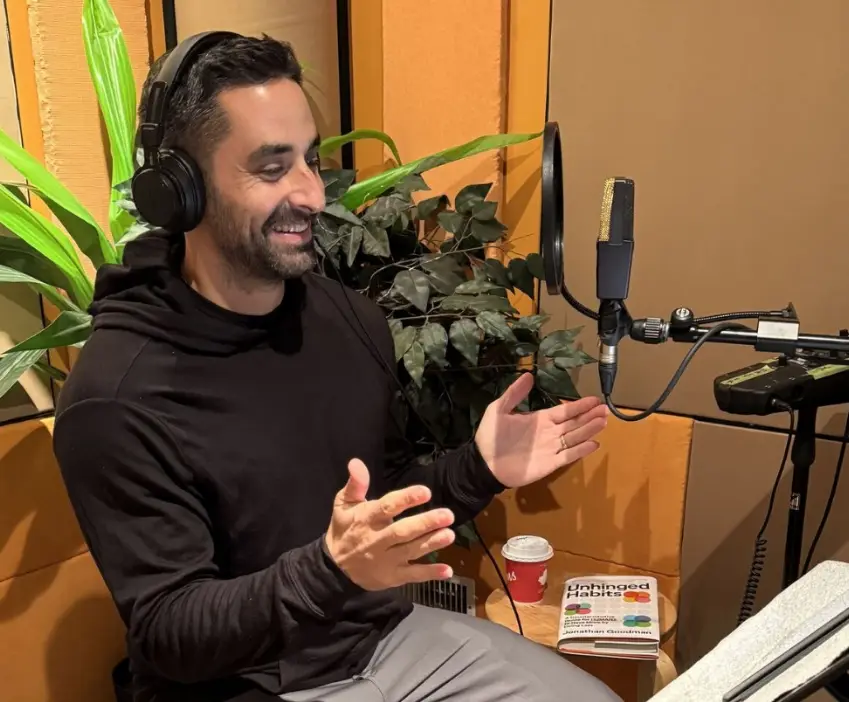
"When I turned on my computer I saw a Facebook post from my friend Brad Mills sharing news about the hack. Figured it didn't impact me," he explained.
"You see stuff about hacks online every day. But I knew I stored my bitcoin using Coldcard devices. Figured I'd check. I opened the Wasabi software on my computer that lets me view my wallets.
"It took a minute or two to load because I don't open it often. The moment it loaded I knew I was screwed because I saw red lines for withdrawals. Between 9:36 and 9:43pm on 29 July, all three of my wallets were completely drained."
Jonathan had owned 18.25245667 Bitcoin with a value of 1.6 million Canadian dollars (£850,000), he'd started buying at the end of 2020 and for the next year or so had been investing in the cryptocurrency.
In a flash all of it was gone, and he had to break the news to his family.
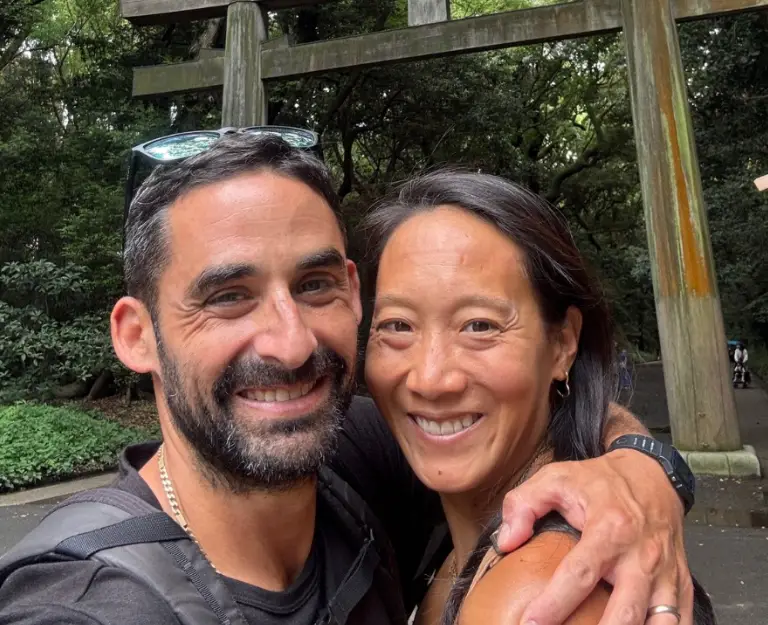
"I have some really bad news," he'd told his wife.
"What?"
"All of our Bitcoin was stolen."
"What the f**k. How could that even happen?"
He explained as best he could, as far as he'd known until then 'everything was 100 percent secure and stored offline in a safety deposit box'.
He says putting his seed phrase on a Coldcard came from trying to do things the right way, a friend of his 'deep in the space' had recommended the extra layer of security which the CBC said had until recently been praised by experts as a safe way to store the sensitive information.
"My incorrect assumption was that the only way to get my seed phrase would have been to gain access to my Coldcard device," he said, having never shared his phrase with anyone.
He's talked to the police and said they've been great, telling him 'arresting those criminally responsible' is a priority for them, so while he's hopeful of getting some of his money back that's what they're looking into right now.
Jonathan, the author of the book Unhinged Habits, said that after this he's not willing to put more money into Bitcoin, or any cryptocurrency.
It's understandable, really, since he's just been robbed of a fortune while thing he thought was another layer of security never left his safety deposit box.
In a statement Coinkite have advised their customers to move their funds to other wallets.
They said: "We understand there is real anger at this moment. Users have suffered real losses, and for those impacted, no public statement is enough.
"We continue to support affected customers directly and urge others to reach out to any other users they are aware of who may be affected.
"Urgently: if your seed was generated with our affected firmware, without at least 50 independent, private dice rolls, and your funds aren’t protected by a strong, unique BIP-39 passphrase, move those funds to a new wallet now.
"We also believe this vulnerability is a warning for every company building Bitcoin hardware and software, not only us—and we’re publishing this now, while the details are still fresh, because other companies need time to check their own code to prevent potential further loss."
Topics: Money, Bitcoin, Technology, Crime
 Joe Harker