
Warning issued as UK cases of untreatable ‘super’ STI double in one year

You might be warming up for a Euro Summer but it seems so might be the ‘super’ sexually transmitted infection (STI).
Yep, it’s warned that drug-resistant gonorrhoea is on the rise in Europe. Certain cases have more than doubled in the UK and cases are rising in several countries on the continent.
The STI is typically passed on through unprotected sex and is typically treated with a single dose of antibiotics.
However, this rise relates to antibiotic-resistant gonorrhoea with the European Centre for Disease Prevention and Control (ECDC) warning about it.
Advert
Since 2022, it’s reported that there have been more cases of the STI that’s resistant to ceftriaxone (the first line antibiotic for treating it). But multidrug-resistant (MDR) and extensively drug-resistant (XDR) strains have reportedly also been detected.
Gonorrhoea is one of the most common bacterial STIs globally, with the ECDC estimating 82 million reported infections each year.
In 2024, there were over 106,000 confirmed cases across the EU/EEA – the highest notification level since the start of EU surveillance in 2009.
If the infection is left untreated, it can lead to severe complications such as pelvic inflammatory disease, infertility and ectopic pregnancy.
Data from the UK Health Security Agency shows that ceftriaxone-resistant cases of gonorrhoea have increased since 2021. There was 13 reported in 2024 but in 2025, that more than doubled to 29.
And by June of this year, it’s said that 17 ceftriaxone-resistant and 25 XDR cases have been detected. That’s out of 84 infections overall.
The ECDC says that most of these cases are associated with travel to South-East Asia but that in April and May, a cluster of six cases ‘was identified within a defined sexual network with no recent international travel reported, indicating sustained domestic transmission’.
It also reported ‘notable increases’ in the reporting of ceftriaxone-resistant cases in Sweden, France and Germany.
“Local transmission of ceftriaxone-resistant gonorrhoea in Europe is a warning sign we should not ignore,” Csaba Ködmön, an ECDC microbiology expert, said in a release.
“While the risk to the general population is currently low, growing resistance reduces the effectiveness of the therapies we rely on today. If highly drug-resistant strains become established and continue to spread, treatment options could become increasingly limited.
“Strengthening prevention, expanding antimicrobial testing, and promoting timely diagnosis are therefore essential to detect resistant strains early, limit further spread, and keep gonorrhoea treatable.”
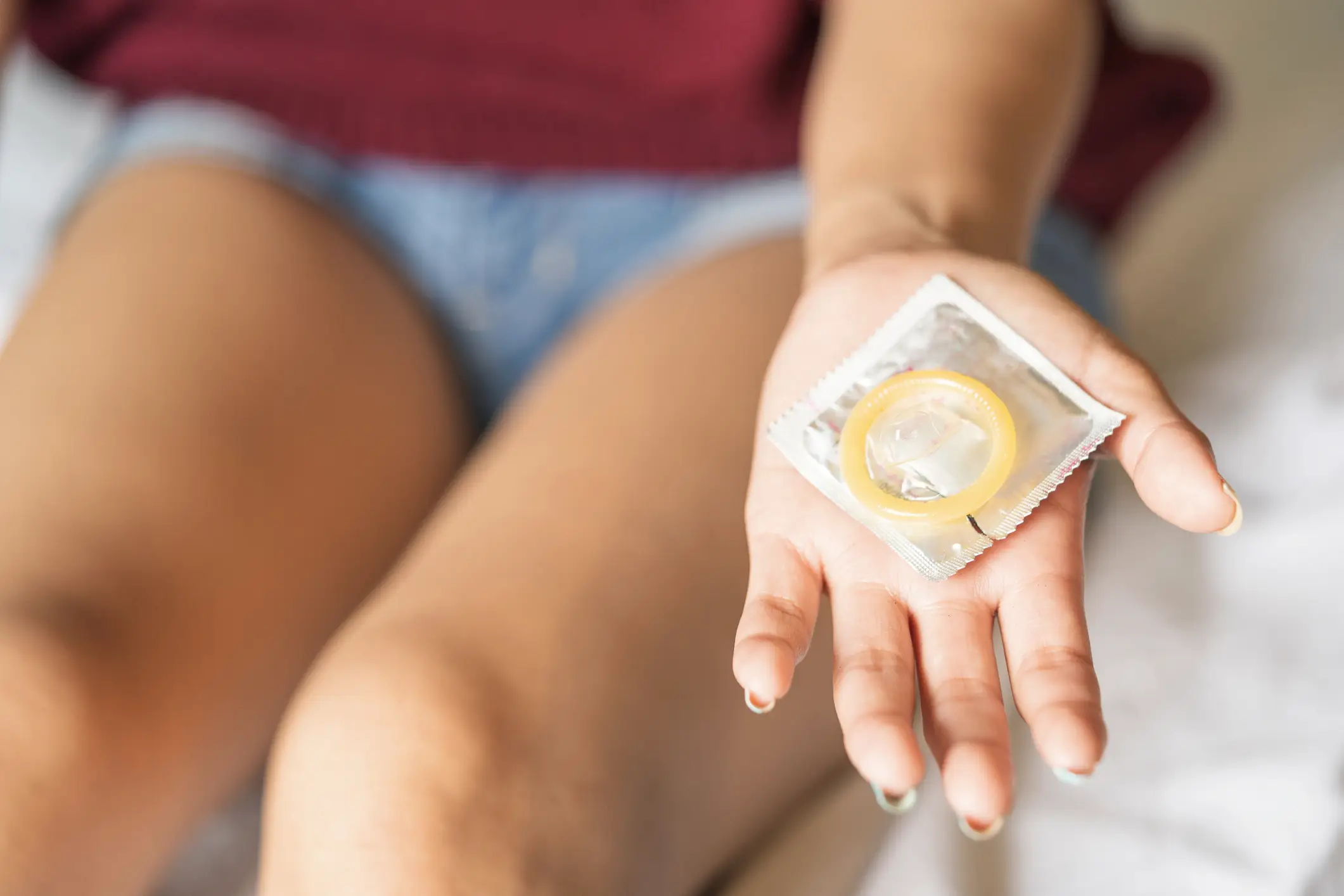
In its warning, the ECDC advised that prevention of gonorrhoea infection remains ‘straightforward with correct and consistent use of condoms or other barrier methods when having sex, getting tested regularly especially after sex with new, casual or multiple sexual partners, and seeking testing after possible exposure’.

Symptoms of gonorrhoea
Not everyone gets symptoms of the STI so it’s important to get tested if you think you may have it. Symptoms typically start around two weeks after infection but sometimes don’t appear until many months later.
The NHS lays out the symptoms of gonorrhoea as it advises going to a sexual health clinic or to the GP if you think you may have the STI or had sex without a condom.
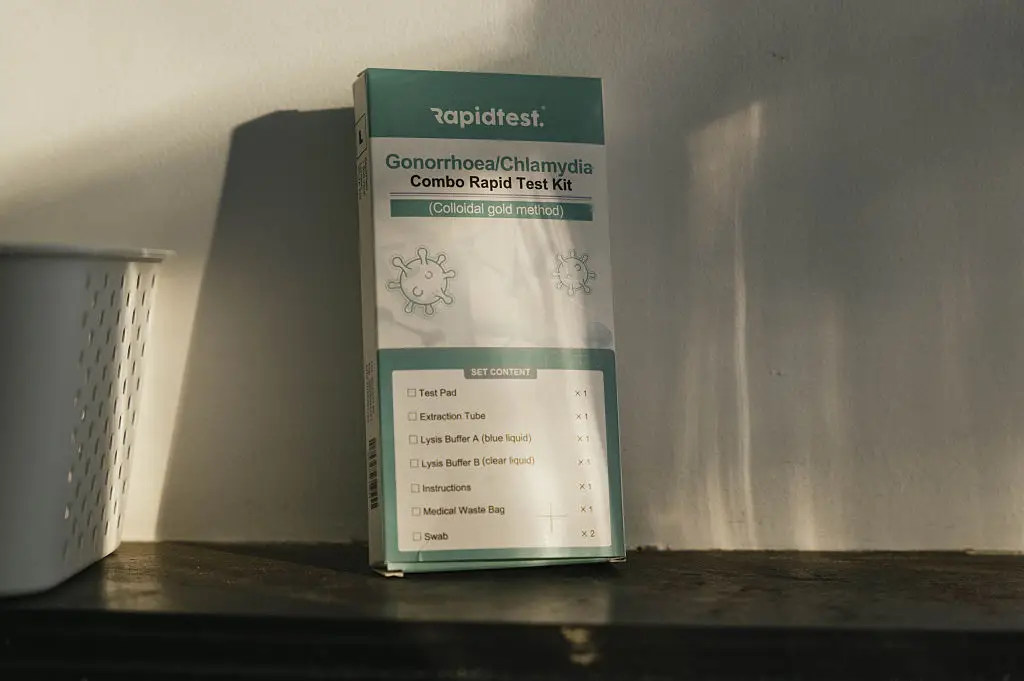
You can also order a self-test kit.
Symptoms in women
These symptoms can impact anyone with a vagina:
- a yellow or greenish discharge from your vagina
- burning pain when you pee
- pain in your lower abdomen
- bleeding between your periods (this is rare)
Symptoms in men
These symptoms can impact anyone with a penis:
· burning pain when you pee
- fluid or discharge coming out of your penis
- sore testicles
Gonorrhoea in the anus, throat or eyes
The STI can impact other parts of your body that come into contact with semen or vaginal fluid.
- pain, itching and discharge from your anus
- a sore throat
- eye redness, pain and discharge
Always seek a healthcare professional for medical advice.
Topics: Health, Sex and Relationships
 Jess Battison