
STI with no cure on the rise in the UK as doctor explains key symptoms

Anyone planning to have a 'hot girl summer' might have second thoughts when you hear about the rise in cases of an incurable STI.
In a sex positive world, it's perhaps more important than ever to practise safe sex and ensure that you're getting tested on a regular basis.
While you might presume that the increasingly popular swinging events are a haven for these sorts of viruses to be passed on, everyone there will have been tested whereas a random one night stand might not have been as careful.
When it comes to sexually transmitted diseases, there are few worse than Herpes Simplex Virus (HSV), considering that once you're infected, it will stay in your body for life.
Advert
In 2025, 28,779 people were diagnosed with a first episode of genital herpes, which marked a three per cent increase compared to 2024, but what actually is it?
What is the Herpes Simplex Virus?
The highly contagious disease is passed from skin-to-skin contact and you can often become infected without even realising, as it may take some time for the symptoms to present themselves.
Once the virus enters your body, you're in trouble because it will use your own cells to make copies of itself, and it can affect several parts of your body rather than just your genitals.
Speaking to the Daily Mail, sexual health nurse Sarah Mulindwa said: "Herpes can remain dormant in the body for months or even years before causing an outbreak, which means people often have no idea when or where they first acquired the virus.

"Viral shedding is when the herpes virus is active on the skin and can be passed to someone else, even though there are no visible symptoms.
"This is known as "asymptomatic shedding" and is one of the reasons herpes is so common, as many people pass it on without realising they have it."
What are the symptoms of genital herpes?
If you are going to develop symptoms after catching herpes, they are likely to appear between two and 12 days after exposure.
A herpes outbreak would then see you develop fluid-filled blisters that break open and crust over wherever the infection happens to be.
But it's not just your genitals that might suffer, as you might also suffer from a cold sores on your lips and mouth, while rarer cases might occur inside your mouth or even inside your nose.
HSV can also infect your fingers but that would be far less serious than an infection which affects your eyes, which could cost you your sight, or your brain and spinal cord, which could cost you your life.
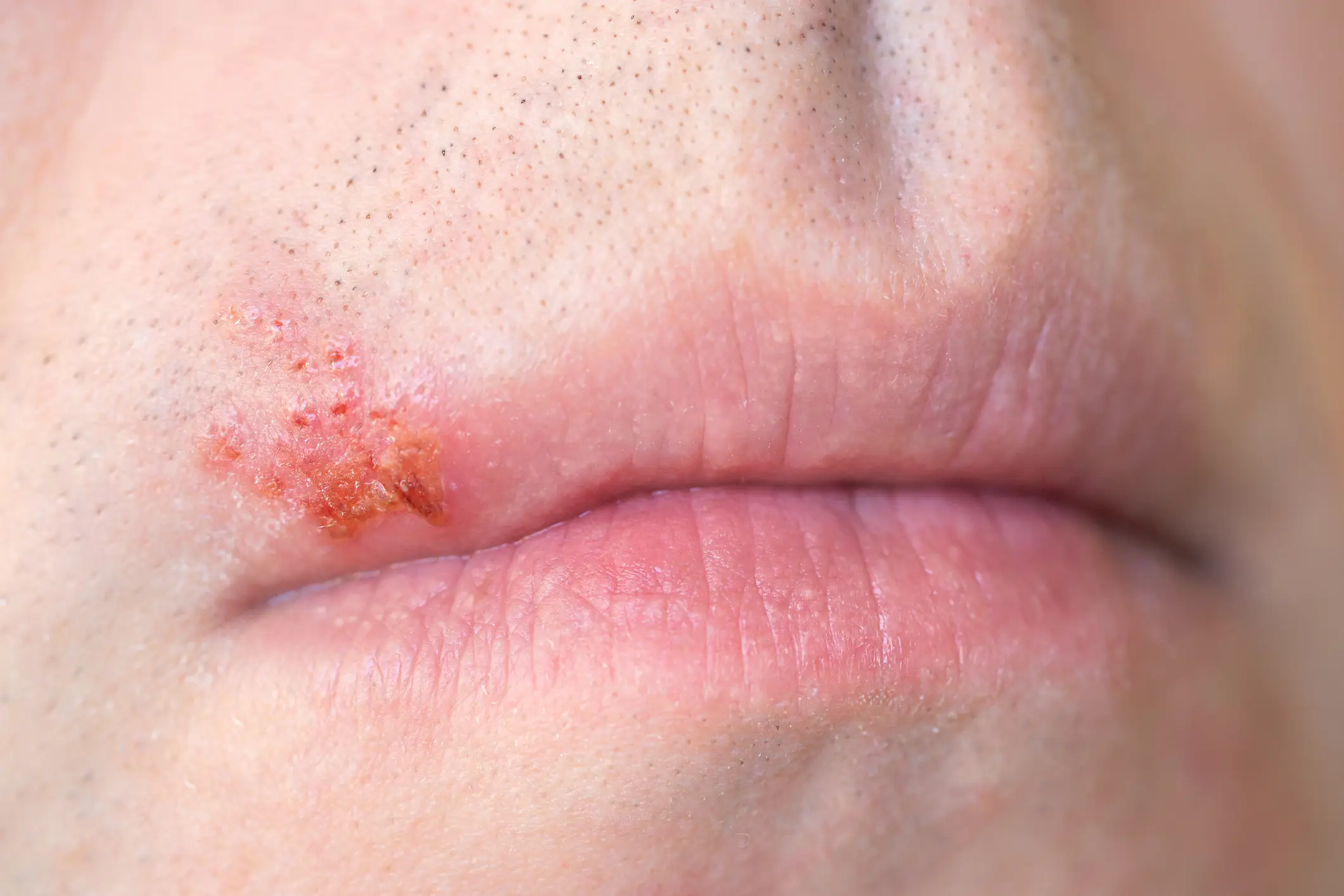
If you're unfortunate enough to have HSV infect both your brain and its protective layers, you can develop a life-threatening condition called herpes meningoencephalitis.
Ms Mulindwa added: "'When symptoms do occur, they may include painful blisters or ulcers around the genitals, anus or mouth, tingling or itching before sores appear, pain when passing urine, swollen glands and flu-like symptoms such as fever, headache and muscle aches during the first outbreak."
Why is there no cure for herpes?
As previously mentioned, herpes is capable of making copies of itself in your cells, which essentially makes it a master of evading the human immune system.
It can remain dormant in your body for years at a time before becoming reactivated, and there's a number of different things that could cause that.
The doctor concluded: "Some people have one outbreak and never experience another, while others may have several each year.
"For some women, hormonal fluctuations around menstruation can trigger outbreaks, and some women also notice changes during perimenopause or menopause, although research is still limited.
"Stress, poor sleep, illness and friction during sex are also common triggers - for both men and women.
"It's important to remember that the impact of herpes isn't only physical. Many people experience anxiety or embarrassment after diagnosis because of the stigma surrounding herpes, despite it being an extremely common infection."
So folks, even though we might be having a summer heatwave thanks to Super El Nino, it's important to still wrap up in some circumstances.
 James Moorhouse