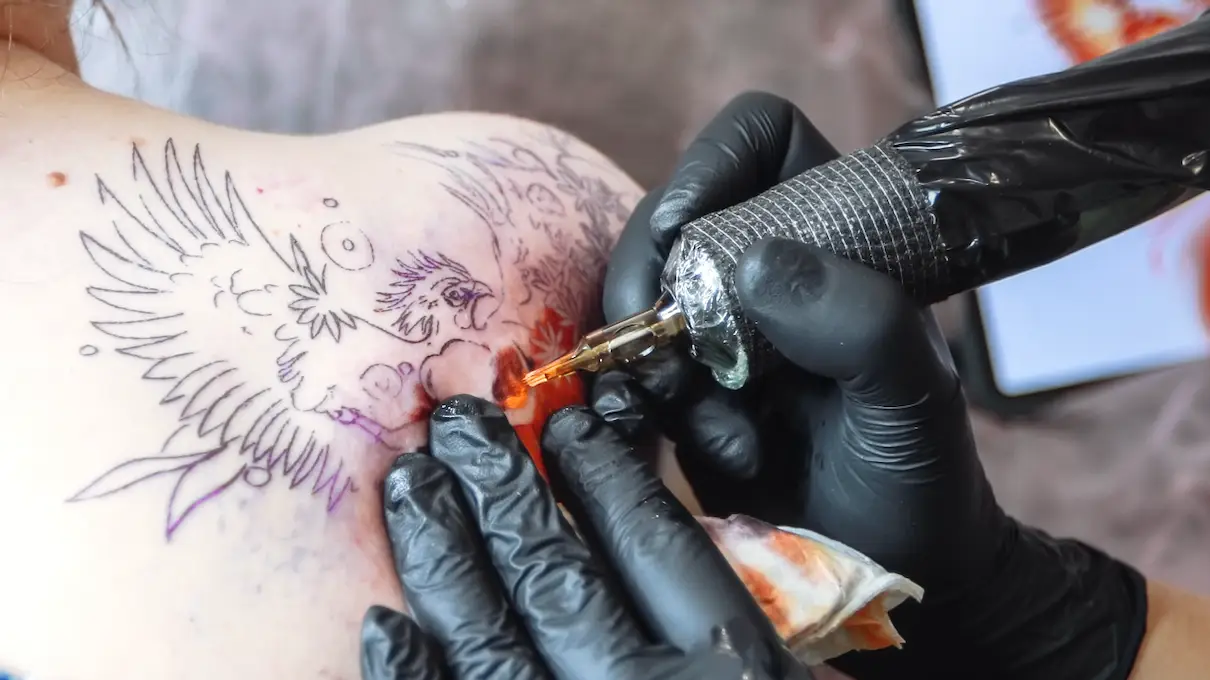
Hidden meanings of tattoos based on which body part they're inked on

Picture this: you're heading into the studio for your first tattoo – where are you going to get it?
Probably not, as you're more likely to be focusing your attention on the design itself.
But what if I told you there are also meanings behind the location which you chose to get inked?
Personally, the few tattoos I have had no further thought than 'that looks cool' and 'here's a location which is visible but not too visible', but it would appear people put a lot of thought into the deeper meaning of their ink.
Advert
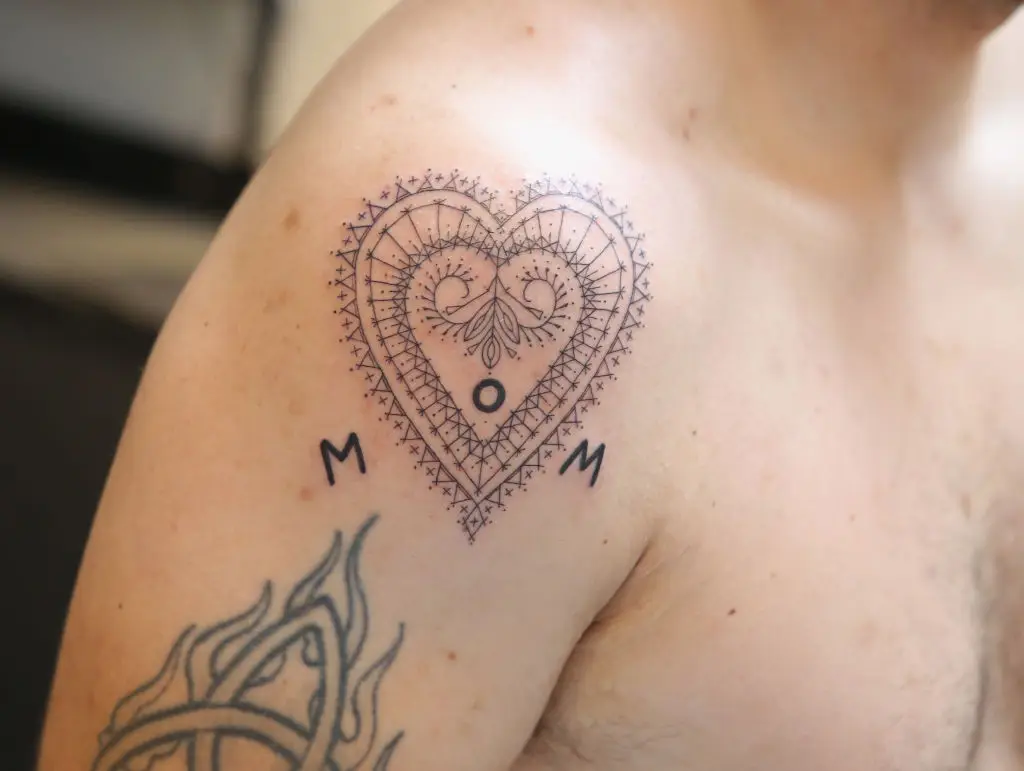
Of course, most of us are aware that tattoo designs usually have some meaning or background - such as semi-colons, lovehearts with the word 'Mom', tributes to deceased loved ones and even designs which give a subtle nod at your sexual preferences or criminal history - but most of us are unlikely to have considered the placement beyond aesthetics and comfort.
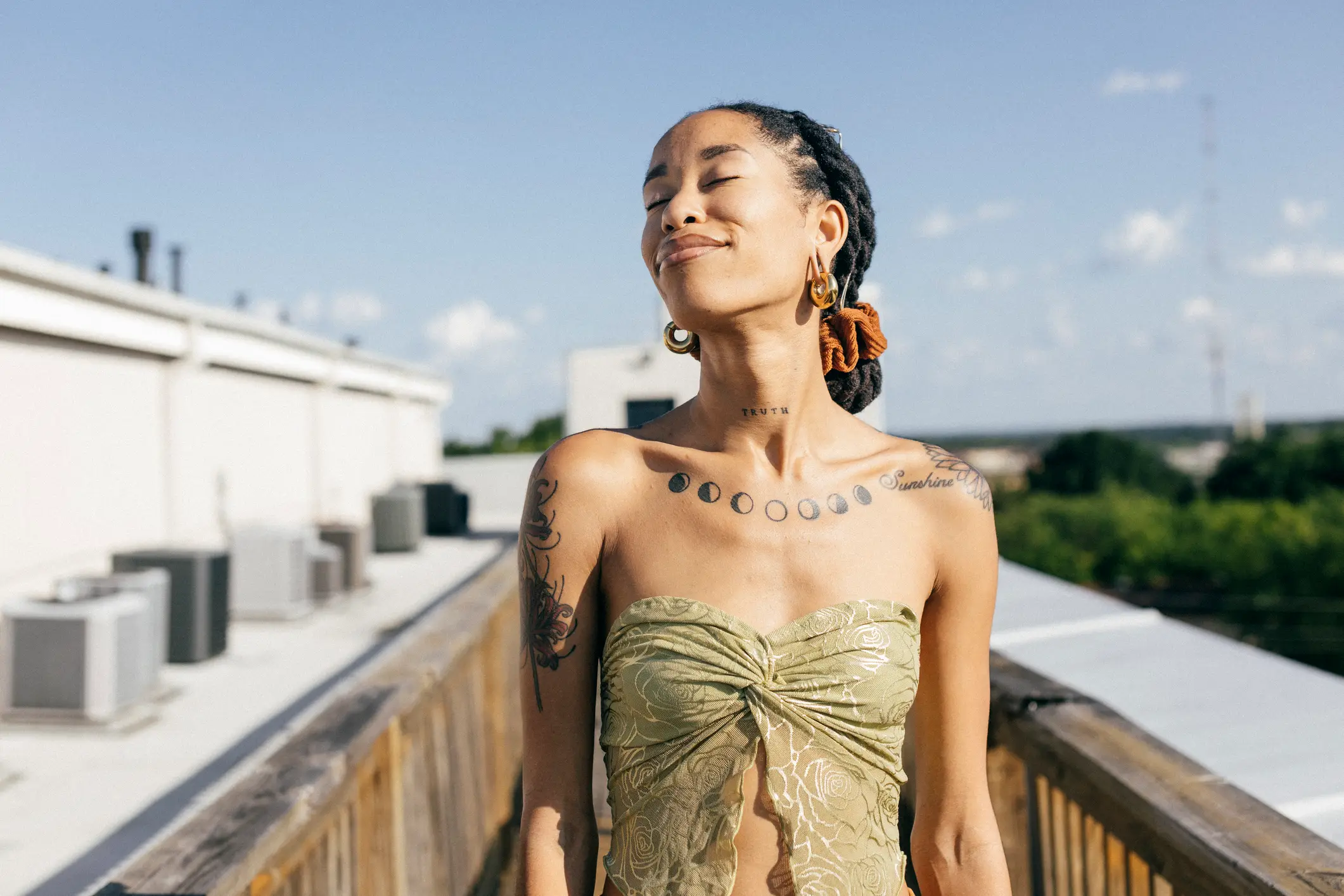
But if you were curious about the potential hidden meanings behind tattoo placement, here's what you need to know:
Arm tattoos
According to Vivid Ink, large tattoos on the arm - specifically sleeves - can be seen as a 'gallery of achievement' due to the ease of visibility on the body.
Upper arms are more linked to strength and protection, with the tattoo studio noting that in certain cultures, a tattoo in this location is linked with strength and bravery.
Meanwhile, the forearm is often a place where people choose to get more reflective or sentimental tattoos, with lots of people getting the names of loved ones tattooed on their wrists.
Arm tattoos are also easy to cover with sleeves, meaning they are particularly popular amongst young professionals.
Leg tattoos
Like arm tattoos, inked legs are also easy to hide if an employer is not particularly tattoo-friendly, making it another, with Inked Mag noting that the hip, thigh and ankle are amongst the most common locations for tattoos.
Hush Anaesthetic also notes that large designs on the thighs can be a symbol of self-confidence. This location is also heavily linked to cultural tattooing, with Samoan men traditionally getting a Pe'a tattoo, which covers the entire body from the waist to the knees.
Chest tattoos
Moving onto the chest, and this is a location which can be steeped in meaning for some people.
Situated close to the heart, chest tattoos can often have romantic undertones as well as potentially symbolising a person's core beliefs.
Conversely, the chest area also provides a significant canvas for detailed designs, allowing for pieces which may not fit on smaller body parts.
Back tattoos
Like the chest, the back offers a brilliant blank canvas for tattoo lovers, should you be willing to put in the hours lying on the tattoo parlour table.
Vivid Ink also notes that expansive back tattoos can have a deeper spiritual meaning, depending on the symbols and the wearer.
Tattoos on the hands, neck and face
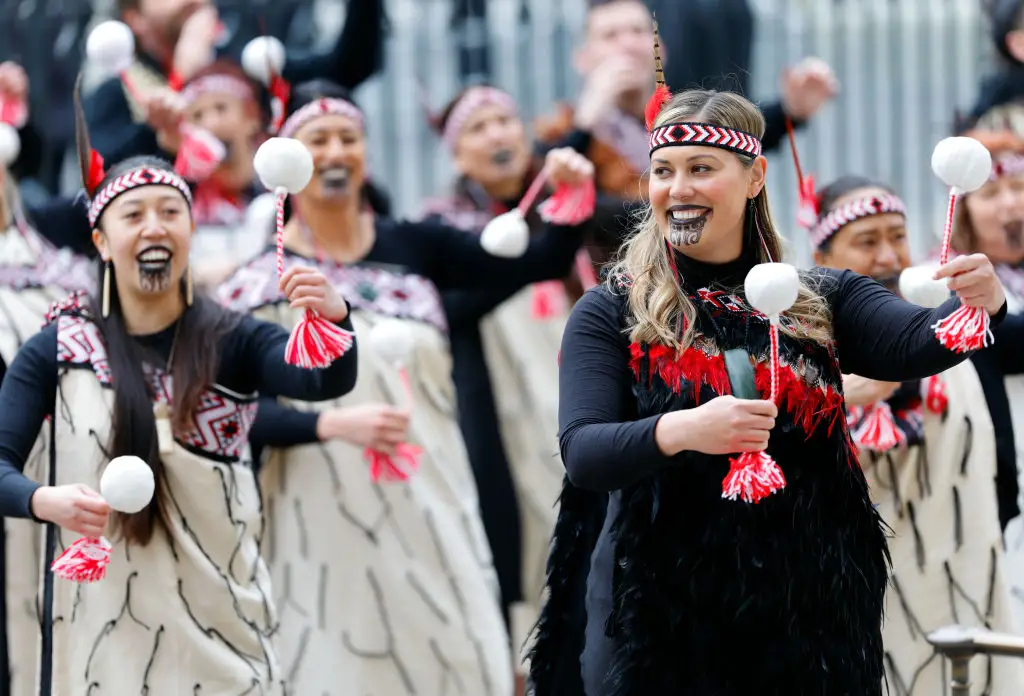
Perhaps the boldest of locations to get a tattoo are the face, hands and neck, as they are not easily covered.
For the Māori people of New Zealand, face tattoos are known as Tā moko, with Zealand Tattoo explaining that these designs signify a person's 'genealogy, identity, and status within Māori society'.
Outside of cultural traditions, and typically in the Western world, tattoos on highly visible areas such as the face and neck are usually discouraged for people getting their first piece of ink.
What other factors influence tattoo placement?
Tattoo design and placement can be a deeply personal choice, depending on a person's background, cultural beliefs and traditions. The above list does not cover every meaning or symbolism behind a specific tattoo, as people get inked for very different reasons.
It's also worth considering the pain factor of a piece, with expansive tattoos covering the ribs or spine being much more painful than a tiny piece on the outer arm or thigh.
 Brenna Cooper