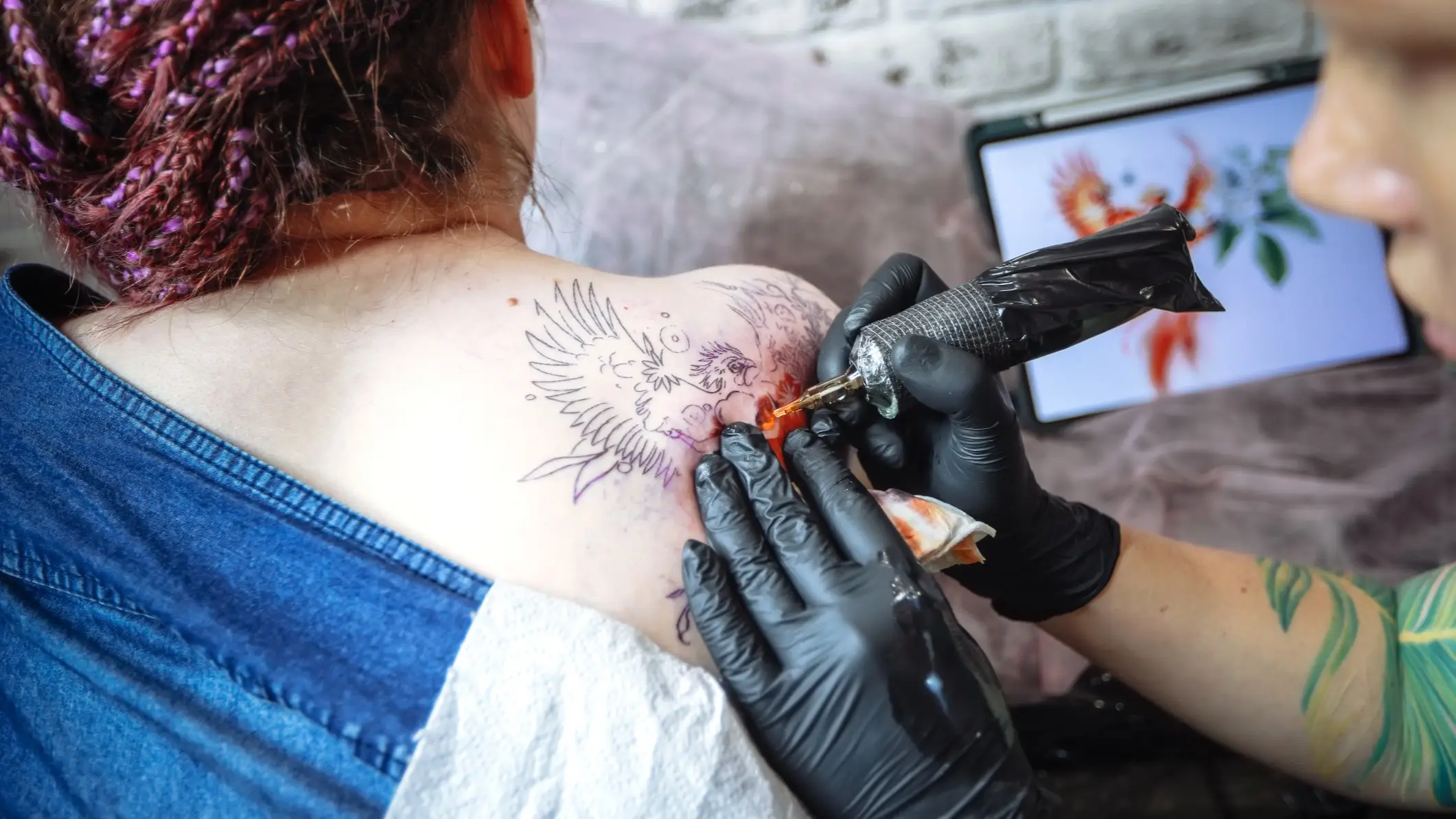
Researchers fear certain size tattoos could more than double chance of developing cancer type

Scientists are concerned that getting tattoos of a certain size could more than double your risk of developing skin cancer as the tattoo ink damages the body.
A team from the University of Southern Denmark published a study warning that tattoo ink goes from a person's skin to their blood and then gathers in their lymph nodes where it causes inflammation.
They wanted to investigate the link between this damage and the risk of cancer cells developing into lymphoma, a type of blood cancer, and skin cancer, using the Danish Twin Tattoo Cohort which has information on 5,900 twins.
The researchers conducted studies on 2,367 randomly selected twins and on a case-control group of 316 twins who were born between 1960 and 1996.
Advert
They found that the risk of skin cancer was 1.62 times higher among those with tattoos, and that for people with a tattoo larger than the palm of a hand the risk of skin cancer or lymphoma increased.
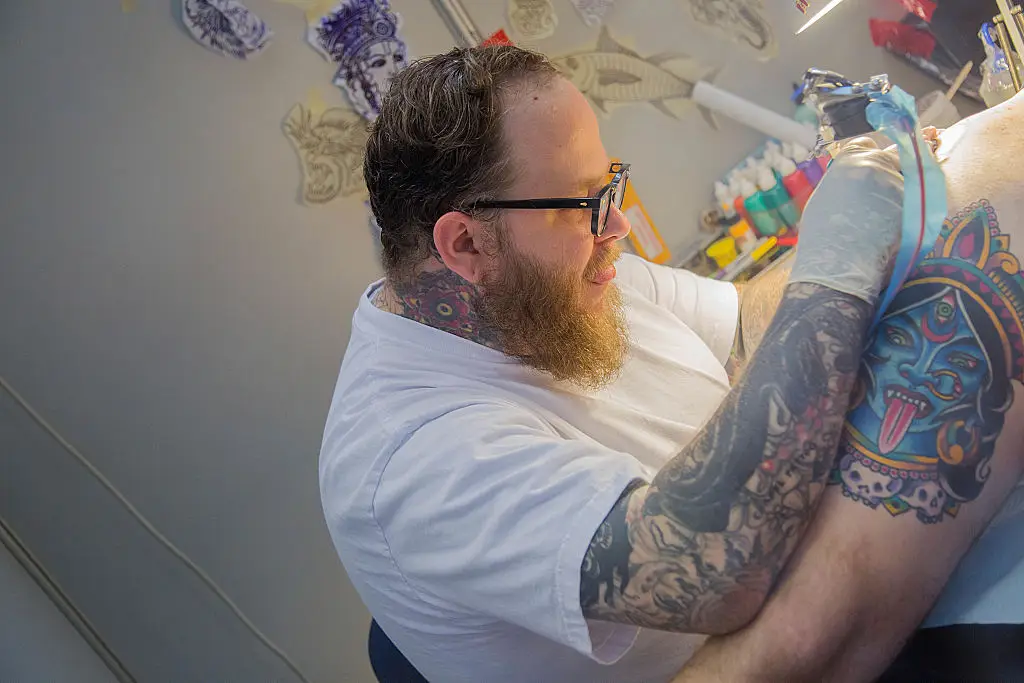
The hazard ratio for skin cancer went to 3.91 and it was 2.83 for basal cell carcinoma, with the researchers noting that the most common tattoo ink used was black which usually contained soot products that are listed as being possibly carcinogenic to humans.
Suggesting that tattoo ink that made it from the skin to the lymph nodes could result in chronic inflammation which increases the risk of cancer, though they noted their sample groups included cancer survivors and not those who died from cancer so they warned of a 'limited survivorship bias'.
They're not the only ones to research this subject, a team from Lund University in Sweden studied a group of over 11,000 people for the risk of lymphoma for people with tattoos.
This group found the risk of lymphoma was 21 percent higher in those who had tattoos than those who didn't.
Study lead Christel Nielsen said: "It is important to remember that lymphoma is a rare disease and that our results apply at the group level."
The researcher went on to add that they already knew when body ink is injected 'the body interprets this as something foreign that should not be there and the immune system is activated' which is what starts causing inflammation.
"People will likely want to continue to express their identity through tattoos, and therefore it is very important that we as a society can make sure that it is safe," Nielsen warned.
"For the individual, it is good to know that tattoos can affect your health, and that you should turn to your health care provider if you experience symptoms that you believe could be related to your tattoo."
While black ink is the most common in tattoos, red ink is considered to get the biggest reaction from skin.
 Joe Harker