
Scientists reveal what happens to tattoo ink inside your body and there's a worrying cancer risk

This is what happens to tattoo ink the moment it's injected into your body – and why it could leave you at an increased risk of developing cancer.
Formerly a type of body modification associated with criminals and outcasts, tattoos are much more popular these days, with 26 to 31 percent of Brits having at least one piece of ink on their body.
Factor in the generational difference in opinions towards tattoos, and it's safe to say they'll be pretty ubiquitous as the years go on.
But how safe are tattoos for your body?
What happens to tattoo ink when it goes inside your body?
From the moment a tattooist injects the ink into your skin, the body immediately reacts, treating it as a foreign object and triggering an inflammatory response.
Advert
The immune system then activates, and the ink pigments are targeted by immune cells and transported to the lymphatic system.

What are the risks associated with getting tattoos?
Anyone who's had a tattoo will be aware of the short-term risks of getting inked, such as allergic reactions, skin infections in the tattooed area and complications associated with poorly cleaned equipment.
But what about the long-term risks of tattoos?
Tattoos and cancer: Should we be worried?
In recent years, there has been an increase in research regarding the links between tattoos and cancer.
Back in 2024, researchers at Lund University in Sweden discovered a possible link between tattoos and lymphoma after surveying nearly 12,000 people, with 21 percent of the recipients with lymphoma being tattooed.
"After taking into account other relevant factors, such as smoking and age, we found that the risk of developing lymphoma was 21 percent higher among those who were tattooed. It is important to remember that lymphoma is a rare disease and that our results apply at the group level," Christel Nielsen, who led the study, said at the time, acknowledging that further research needed to be conducted.
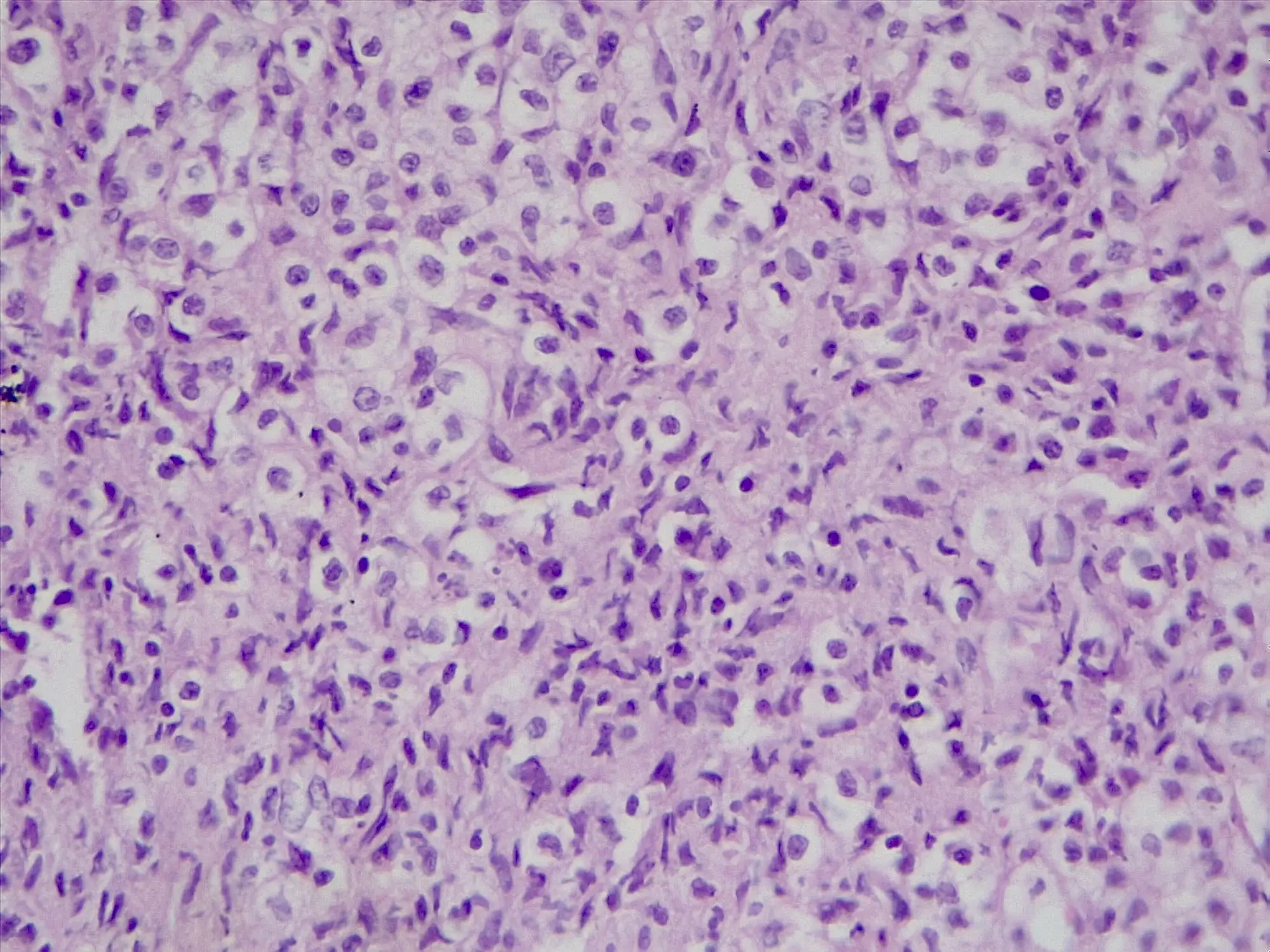
He added: "We do not yet know why this was the case. One can only speculate that a tattoo, regardless of size, triggers a low-grade inflammation in the body, which in turn can trigger cancer. The picture is thus more complex than we initially thought."
Nielsen noted that the inflammatory response triggered from tattoo ink being injected into the body may be linked to this, however further research is needed.
The university conducted a second study on tattoos and squamous-cell carcinoma a year later, which revealed no notable associations.
"Our results indicate there may be something that happens in the immune system and therefore we are now going on to continue exploring possible links between tattoo exposure and autoimmune conditions, such as psoriasis and thyroid conditions, in which the immune system is also involved," Nielsen added.

Lund University isn't the only institution researching the links between skin cancer and tattoos either, with the World Health Organisation noting that researchers from the International Agency for Research on Cancer (IARC) found that people who have a large area of skin covered by tattoos actually had a lower risk of developing skin cancer than people who don't have tattoos.
Meanwhile, the American Academy of Dermatology noted that tattoos can sometimes disguise skin cancer moles, making it harder to detect.
Topics: Health
 Brenna Cooper