
Parents urged not to post photos of their children with emojis covering faces

Parents have been urged not to post pictures of their children where emojis cover their faces.
A growing trend in recent times has seen celebrities and everyday families, including Meghan Markle and Orlando Bloom, share images of their children with their millions of followers, while taking precautions to protect their identities.
As cute as you think your child might be, you obviously want to keep them safe in a time when the number of faceless and unidentifiable creeps on social media is skyrocketing. A quick look at Grok's recent activities on X only confirms that.
Although some content creators are keen to share videos of their kids the day they come out of the womb, others are a little more careful on the internet and ensure that their face cannot be seen, often covering it with a large emoji.
Advert
However, it appears that this not only looks ridiculous but also could be doing very little to actually shield them from online exposure, with a cybersecurity specialist explaining exactly why it might not be a good idea.
“I need to be brutally honest here: putting an emoji over a child’s face provides virtually no real privacy protection whatsoever,” explains Lisa Ventura, an award-winning cybersecurity specialist and founder of Cyber Security Unity, to The Independent.
“This approach is more security theatre than actual security.”
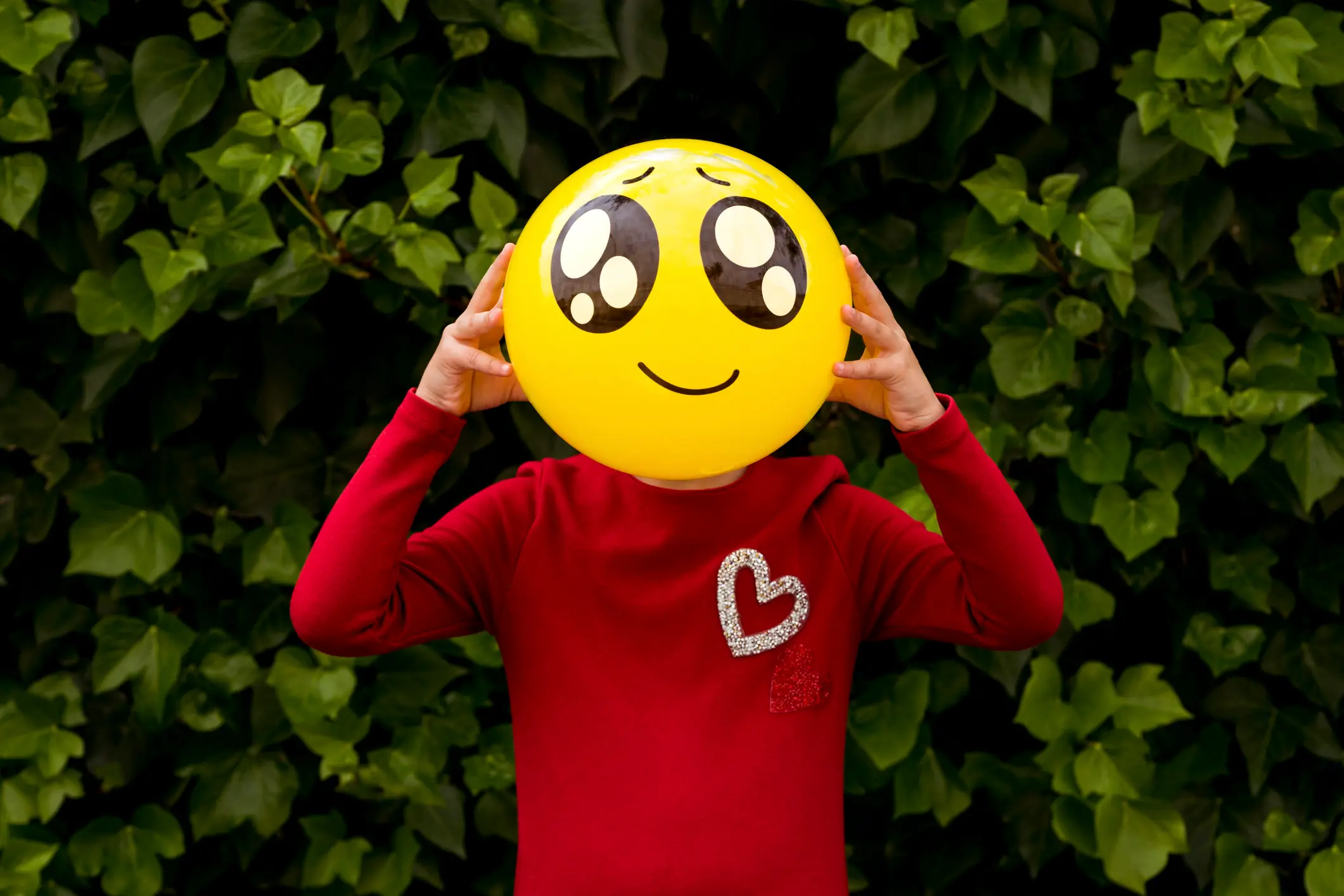
It is remarkably easy to find yourself the victim of a scammer or hacker these days, with eight simple mistakes often leading to some serious issues, and it's important to learn that the more you share online, the more a prospective hacker might learn about you.
Ventura added: “Most parents aren’t just posting one carefully emoji-protected photo.
“They’re sharing multiple images over time, and the combined data from all those posts creates a much bigger privacy concern than any single image.
“Every photo you upload trains facial recognition algorithms and builds advertising profiles."
Essentially, even if you're taking the time to put a moon emoji over your child's face, the picture will presumably feature a background area that can be identified, their clothes, and other features, all of which can be put together to garner more information about the child.

And thanks to the endless joys of artificial intelligence, advanced tools can now effortlessly remove emoji stickers and reconstruct faces, which means that the methods you might be using to protect your child have been rendered fairly useless.
“If you wouldn’t hand a physical copy of that photo to a complete stranger in the street, don’t post it online,” Ventura advises.
“Because that’s essentially what you’re doing, except that stranger might be able to keep it forever, or worse, use it in unauthorised ways you did not intend.”
Therefore, the safest thing you can do is probably not share any pictures at all of your children, unless you have a private account which is just for people you know and trust.
Topics: Parenting, Social Media
 James Moorhouse