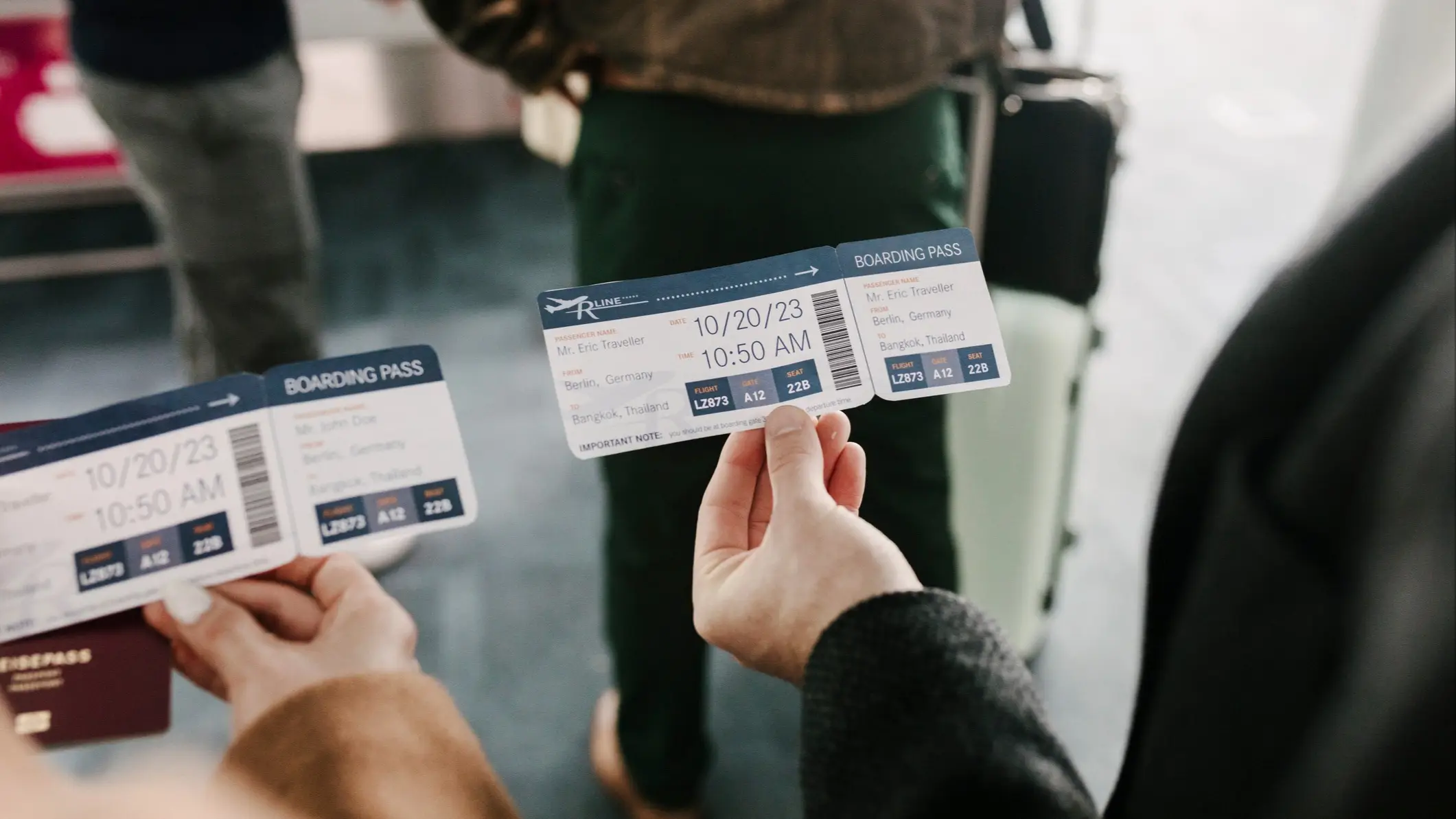
Dangerous warning over posting photo of your boarding pass even if QR code is covered

A warning has been sent out to travellers about posting their boarding pass online.
We've all seen it before, someone you know is going on holiday and they want to show the whole world, by posting snaps of their travels on social media.
While you might see some pictures of the view outside the plane window or some videos by the beach, there is one post which might get you into a world of trouble, if you're not careful.
It's all to do with your boarding pass, and how some people may think it's a good idea to post a photo of it on their Instagram stories.
Advert
Maybe it's to show off the location they're venturing off to, but doing so is dangerous for a number of reasons.
Not only are you telling everyone your flight details, or that you'll be on your travels for a set amount of time - you've also shared your QR code.
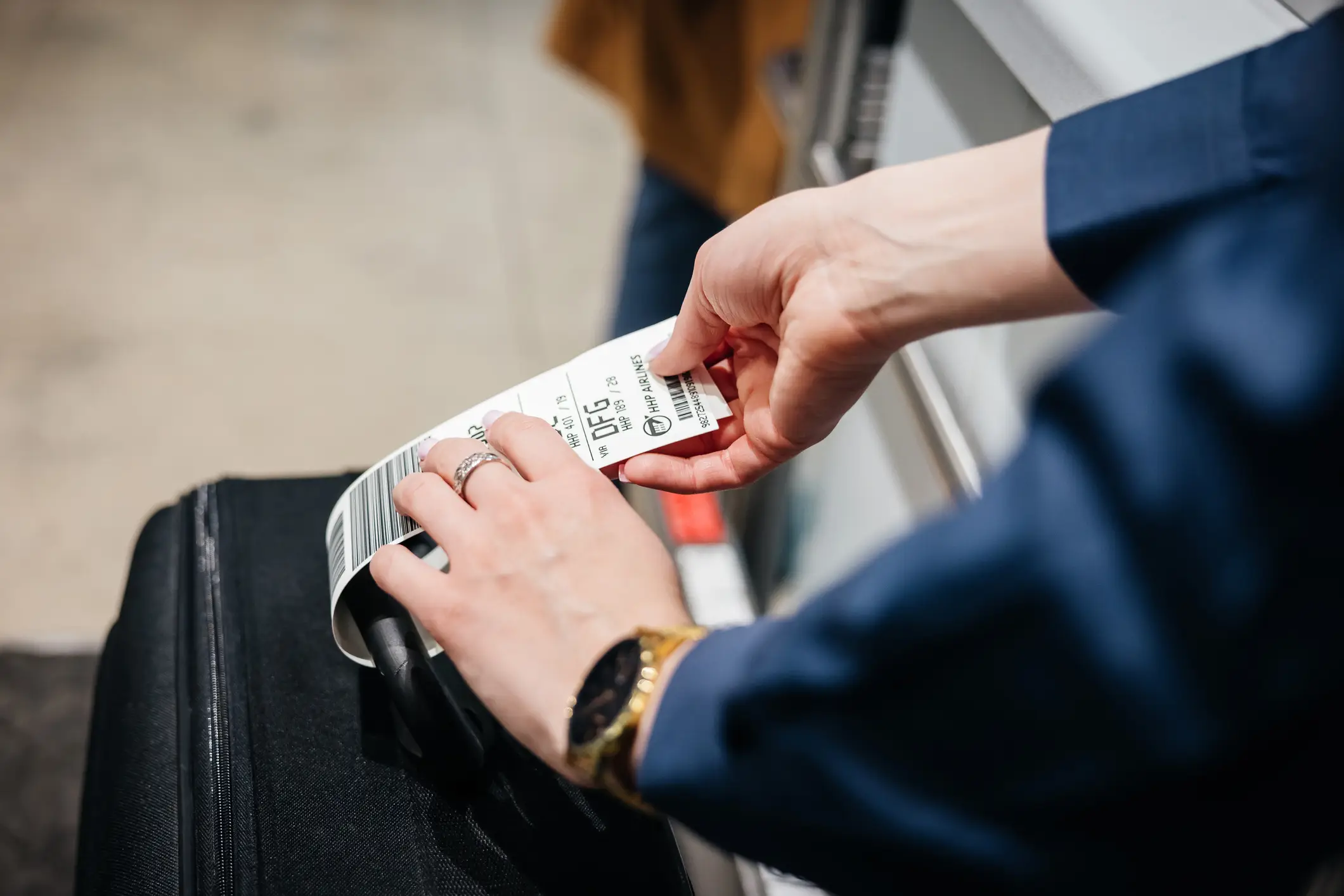
You may wonder what good a QR code can do if you're not heading onto a plane, but it's a hot topic which has been highlighted by tech experts for years.
Speaking on The Rest Is Science podcast, Cambridge Professor Hannah Fry explained: "QR codes are an example of error correcting codes. You actually can cover up a third of a QR code and it would still work absolutely fine."
She went on: "The classic one is where people post uh photos of their boarding passes when they're like going on a trip, because even when you cover it up with your thumb, you can you can recover a QR code even when you don't have the complete QR code itself."
Fry mentioned that there have been instances where people have had their bookings changed by others without knowing, simply by sharing parts of their QR codes online.
Co-host Michael Steven, known as VSauce on YouTube, joked that strangers may even 'put them in the middle seat' as part of their schemes.
The mathematician continued: "There was one particularly viral case where someone changed a stranger's seat to have them sitting next to the toilet and posted it online saying, 'You showed enough pixels to resurrect Jesus, let alone a QR code.'"
Obviously, you should avoid posting any details of your trips away to dodge these risks, but some people are just far too eager.
Back in 2017, Karsten Nohl and Nemanja Nikodijevic from Berlin-based consultancy Security Research Labs revealed their findings into the Global Distribution Systems (GDSs) that are used by travel agencies, airlines, hotels and even car rental companies.
Essentially, they found that any data added or a modification made to a booking was stored and all you needed to access that information is a last name and a six-character booking code.
You'll often find this in confirmation emails or in the app of the airline you booked with.
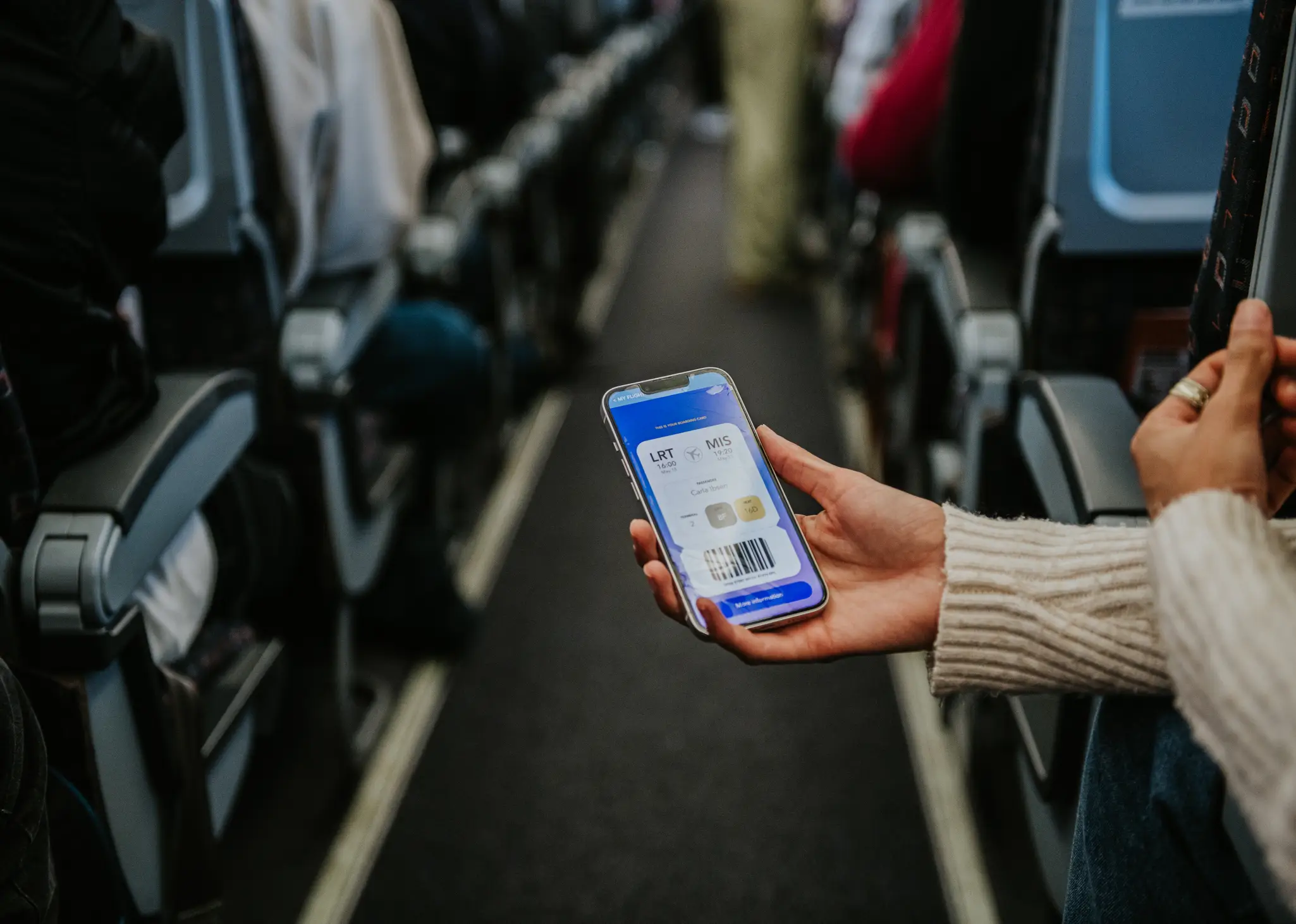
They also noted that the booking code is not kept a secret, with it being printed on luggage tags, while also being embedded in QR codes which are printed on tickets and displayed on mobile boarding passes.
The researchers noted that an 'alarmingly large number' of travellers post pictures of these things online
Unfortunately, airline and trip checking websites don't put limits on how many bad codes can be entered before a user is blocked, meaning that holidaymakers can be left exposed to code-guessing attacks.
Topics: Travel, Social Media, Technology
 Joshua Nair