
Daily drug taken by millions found to increase risk of dementia by 33%

Researchers have found that one of the most prescribed drugs in the UK has an 'association' with dementia.
Proton pump inhibitors (PPIs), such as Omeprazole, Lansoprazole and Pantoprazole, help remedy acid reflux and heartburn as they reduce the amount of acid being produced in the stomach. There were 35 million Omeprazole prescriptions in the UK in 2022-2023.
People typically take PPIs once a day and doctors usually prescribe them for a period of around four to eight weeks, since being on them for long periods increases your risk of a whole host of side effects.
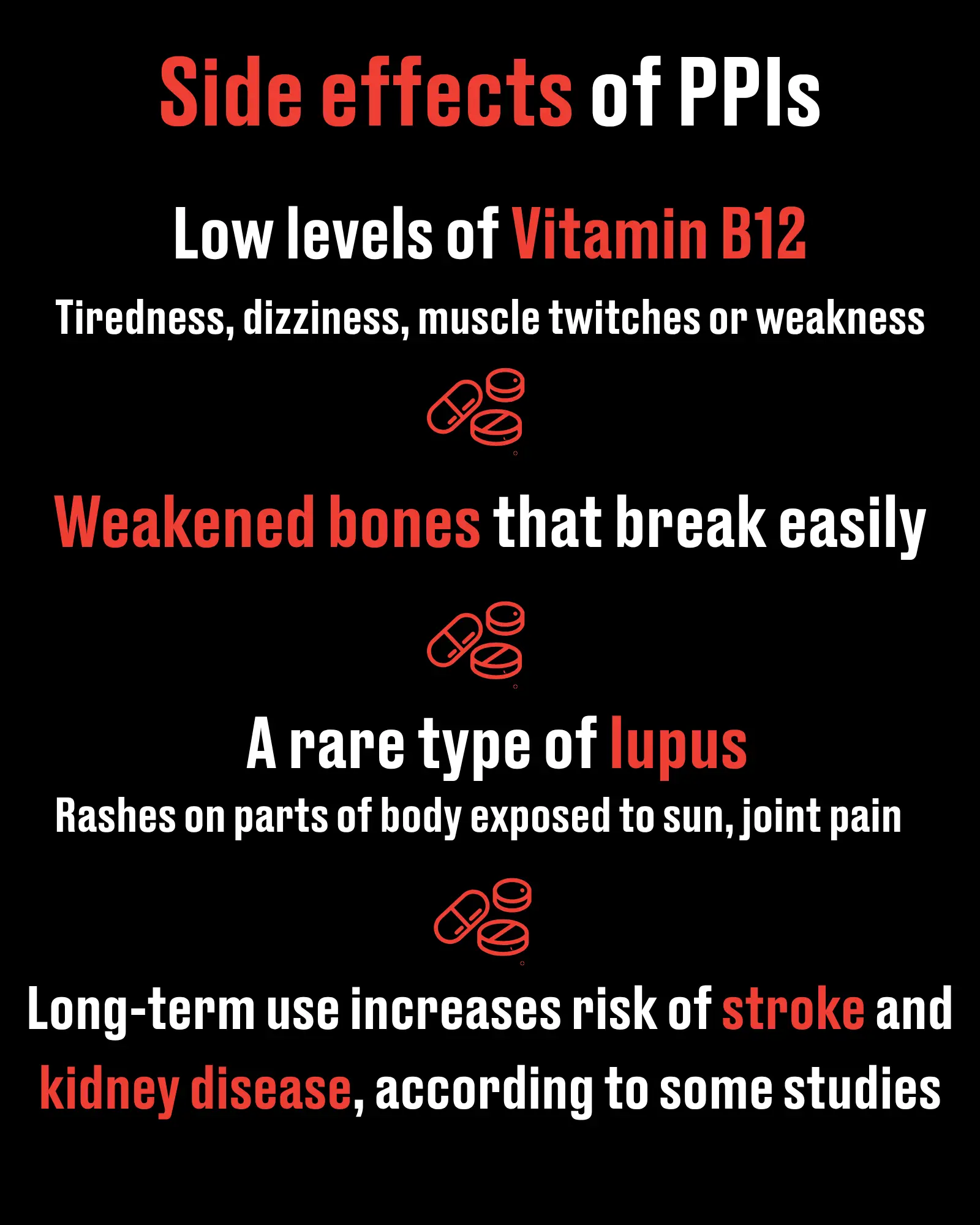
These include very low levels of vitamin B12, resulting in symptoms such as tiredness, dizziness, muscle twitches or weakness; weakened bones that can easily break; and a rare form of lupus that causes rashes on parts of the body exposed to the sun and joint pain.
Advert
Some studies also suggest a higher risk of suffering a stroke, kidney disease and broken bones.
But perhaps most alarming is a 2023 study, which found that people taking them long term were 33 percent more likely to develop dementia.

Study author Dr Kamakshi Lakshminarayan and her team analysed 5,712 people who were aged 45 to 64. All of these folks did not have dementia at the beginning of the investigation. Out of these participants, nearly 1,500 (26 percent) were taking PPIs.
While taking into account factors such as preexisting health conditions, age, sex and race, the team noticed an interesting pattern.
Out of the 497 people who had been consuming PPIs for nearly four and a half years, 58 of them developed dementia.
"This study does not prove that acid reflux drugs cause dementia," Dr Lakshminarayan said previously. "It only shows an association.
"More research is needed to confirm our findings in other large study groups and understand the possible link between long-term proton pump inhibitor use and higher risk of dementia.
"While we did not find a link with short-term use, we did find a higher risk of dementia associated with long-term use of these drugs."

Why might PPIs increase the likelihood of dementia?
Discussing the possible reason behind this link, she went on: "Some studies have shown that use of acid reflux drugs may be associated with low B12 levels. And low B12 is associated with impaired thinking and poor memory."
However, Dr Lakshminarayan said she 'could not comment on this theory' as she did not acquire B12 measurements from the participants.
Dr Gregory Day, an associate professor in the Department of Neurology at the Mayo Clinic, reckoned that this was a fair assumption to make though.
He previously told CBS News that PPIs can 'alter enzymes in the brain' which are supposed to help control the amount of a protein in the brain called amyloid, which is famously associated damage caused by Alzheimer's disease.
The expert suggested PPIs might 'decrease the level of the body's chemical that is there to cut off the amyloid in specific ways'.
"In theory, these medications increase amyloid in the brain, increasing the risk of Alzheimer's disease, and Alzheimer's is the number one cause of dementia," he said.
Dr Lakshminarayan also added: "While there are various ways to treat acid reflux, such as taking antacids, maintaining a healthy weight, and avoiding late meals and certain foods, different approaches may not work for everyone.
"It is important that people taking these medications speak with their doctor before making any changes, to discuss the best treatment for them, and because stopping these drugs abruptly may result in worse symptoms.”
 Olivia Burke