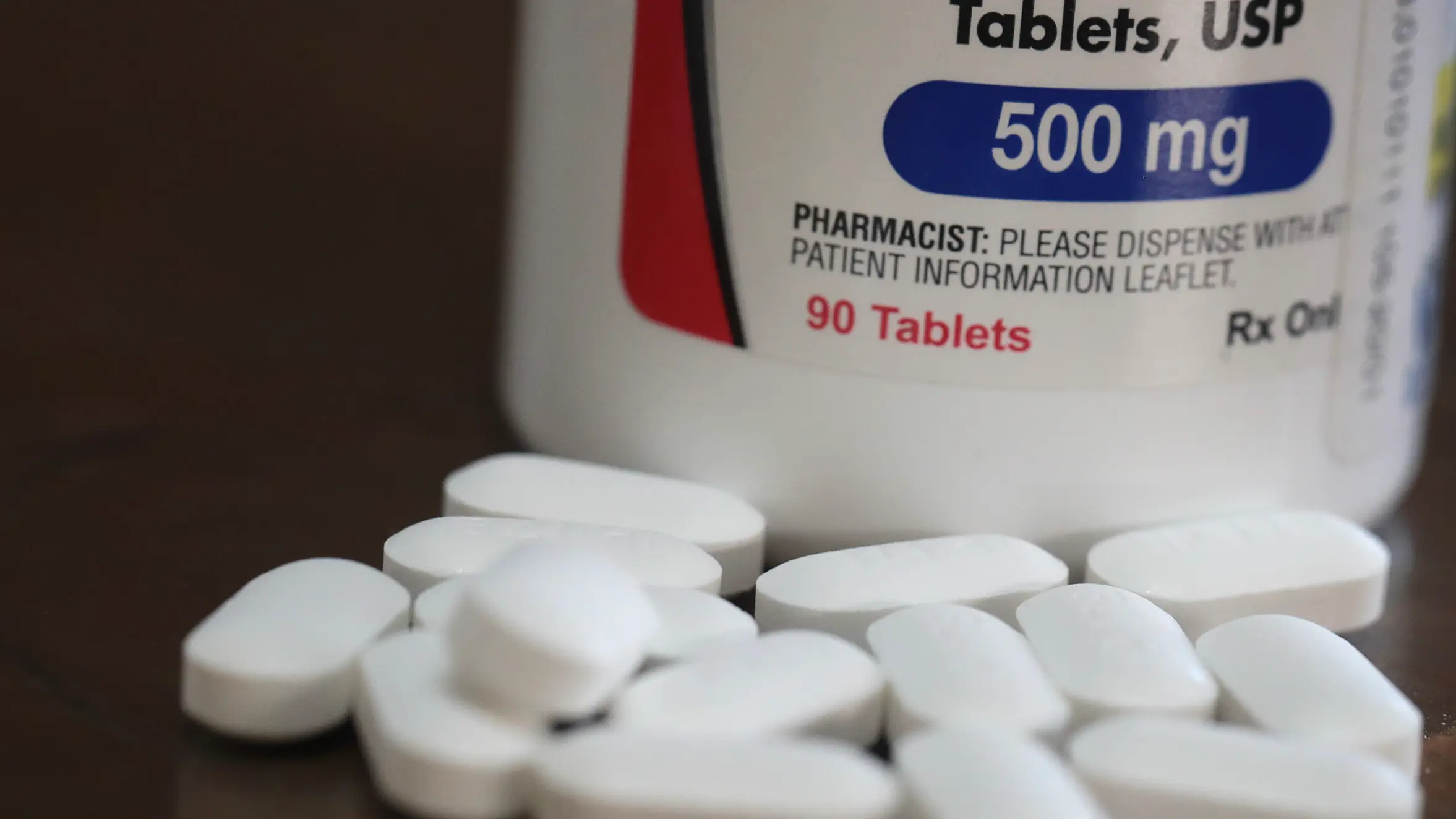
Metformin drug prescribed to 120 million worldwide found to have surprise impact on brain

A drug which has been widely prescribed for decades may also have further uses, scientists have found.
Metformin has been used in the treatment of Type 2 Diabetes and Gestational Diabetes, being used as a preventative prescription, as well as being used in the treatment of polycystic ovary syndrome (PCOS) as it can be used in regulating menstruation.
The drug is prescribed to approximately 120 million people, and affects the way that the body uses insulin in controlling blood sugar.
Now, scientists studying the drug have noticed an impact that it has on the brain, with researchers at Baylor College of Medicine noting the effect, which could mean it may have other uses as well.
Advert
It's far from the first time that a drug initially used for one thing is noted to have other potential benefits as well - for example some forms of GLP-1 drug were initially licensed in the treatment of diabetes, but their impact on appetite has since led to them exploding in popularity as an aid in weight loss, and since then more potential benefits still have been flagged.
While it's still very early days, the observation in Metformin could see further uses developed here as well, but what is this new impact scientists have seen?

How metformin affects the brain
"It’s been widely accepted that metformin lowers blood glucose primarily by reducing glucose output in the liver. Other studies have found that it acts through the gut," Dr Makoto Fukuda, Associate Professor of Paediatrics-Nutrition at Baylor said.
"We looked into the brain as it is widely recognised as a key regulator of whole-body glucose metabolism. We investigated whether and how the brain contributes to the anti-diabetic effects of metformin."
There's a part of your brain known as the ventromedial hypothalamus, where a protein called Rap1, which has an impact on your body's metabolism of glucose, can be found.
The scientists discovered that when metformin works, it turns off the Rap1 protein in this part of the brain, and when testing on genetically modified mice without this protein in that part of their brain, they found it didn't work.
Feeding the animals a high-fat diet to mimic the effects of type 2 diabetes, they found that metformin didn't lower blood sugar in mice without Rap1.

Other diabetes treatments like insulin and GLP-1 agonists (the same family of drugs as Ozempic) still worked.
They then injected metformin into the mice's brains and found a significant drop in blood sugar, even at a dose much lower than when taken orally.
This discovery shows the drug, when taken normally, needs to affect a change in the brain to properly work, and Professor Fukuda said more research was needed that could lead to new treatments for diabetes or even slowing down the ageing of the brain.
He said: "These findings open the door to developing new diabetes treatments that directly target this pathway in the brain.
"In addition, metformin is known for other health benefits, such as slowing brain aging. We plan to investigate whether this same brain Rap1 signalling is responsible for other well-documented effects of the drug on the brain."
What are the side effects of metformin?

According to the NHS, the common side effects of metformin can occur in one in 100 people, which include:
- Nausea
- Vomiting
- Diarrhoea
- Stomach ache
- Loss of appetite
- A metallic taste in your mouth
Metformin can also cause a vitamin B12 deficiency. If you experience symptoms such as tiredness, muscle weakness, or mouth ulcers and have pale or yellow skin, consult your doctor, who may prescribe B12 supplements.
 Joe Harker