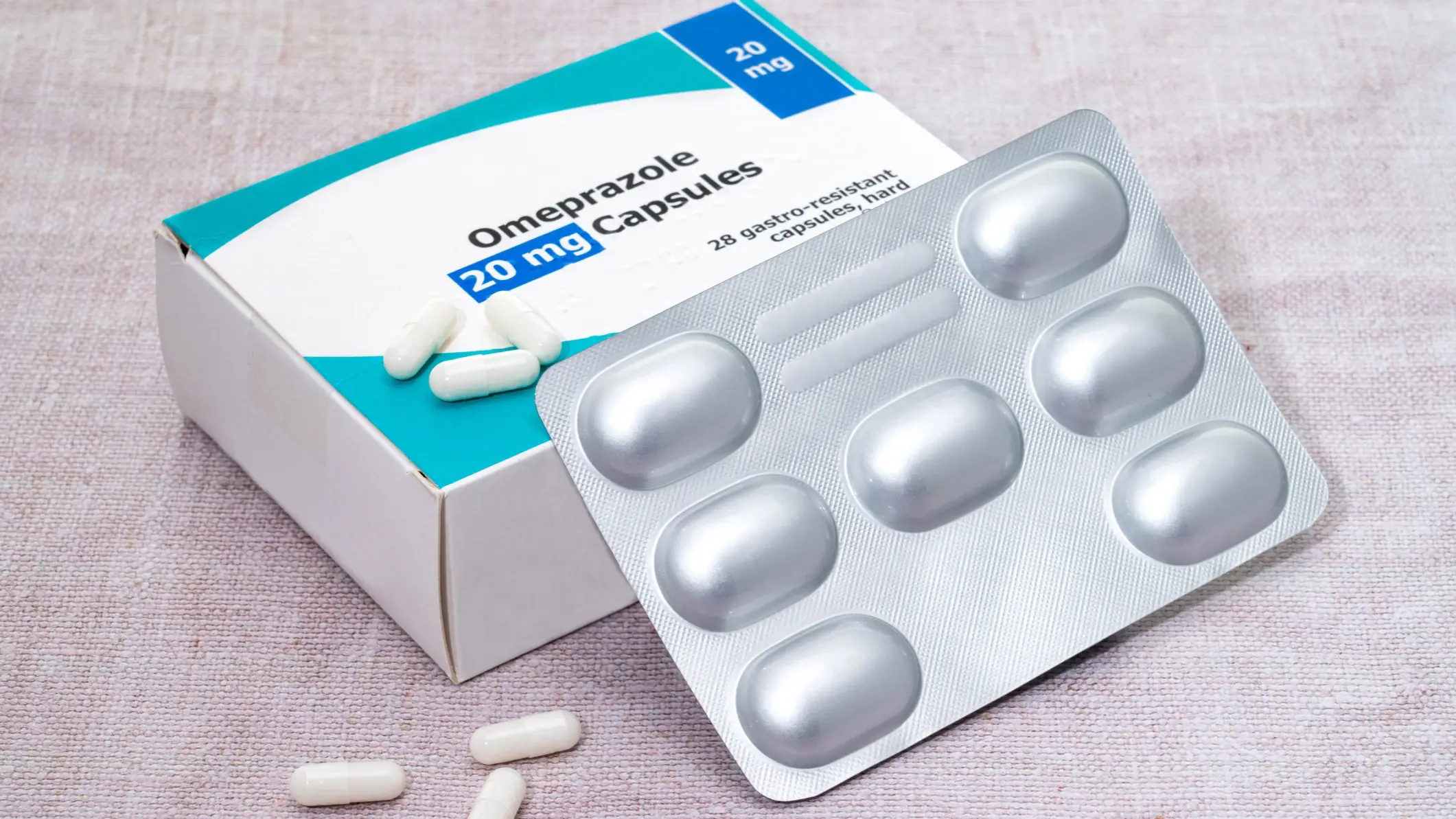
Survey finds new Omeprazole side effect as NHS doctor issues warning to takers

Omeprazole is one of the most prescribed drugs in the UK but more and more people are being warned against taking them for too long.
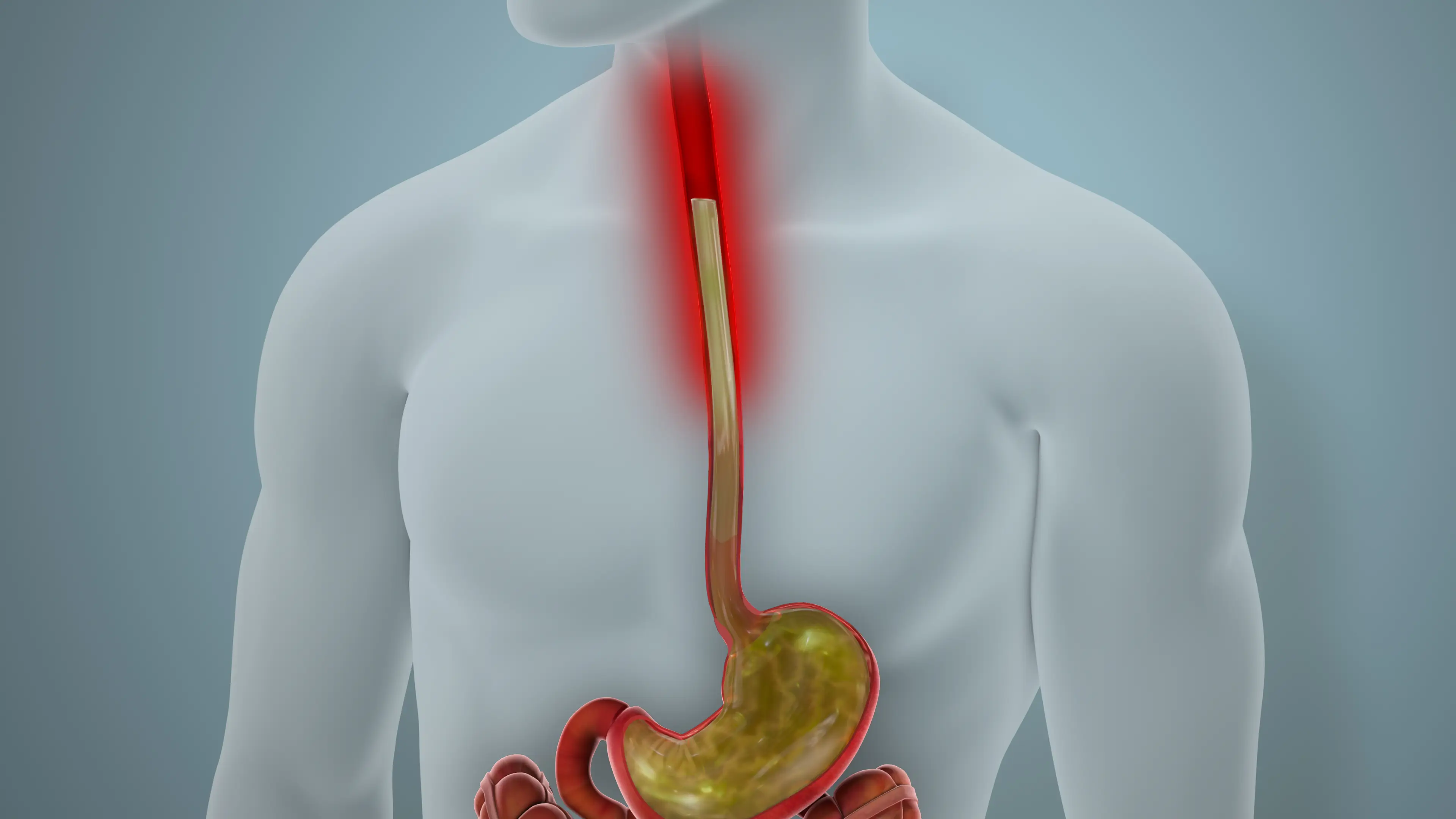
The common medication is used to treat heartburn and indigestion, working to reduce the amount of acid in your stomach, but it can come with a number of side effects.
Over 73 million prescriptions of the proton pump inhibitor (PPI) were issued between 2022 and 2023 in the UK but while it is effective at solving your acid reflux, it can come with some frustrating side effects, including headaches, stomach pain, nausea and/or vomiting, constipation, diarrhoea and excess gas.
But now scientists in Brazil think they have identified another worrying repercussion from taking the medication for too long, as they found in a new study that it can lead to nutritional deficiencies as the drug can affect the absorption of minerals.
Advert
This can also lead to issues such as anaemia and decreased bone health, with researchers noting that essential minerals such as iron, calcium, zinc, magnesium, copper, and potassium all underwent changes when assessed in rats that were given omeprazole.
They found that the drug caused an imbalance in the distribution of minerals, which saw increased calcium and decreased iron in the blood, while there were also significant changes in immune cells among the test animals.
"The most worrying finding was the significant increase in calcium in the animals' bloodstream, which may indicate an imbalance with the removal of the mineral from the bones and a future risk of osteoporosis," says Angerson Nogueira do Nascimento, a professor at UNIFESP who coordinated the study.
"However, longer studies are needed to confirm this hypothesis."
Other risks of long-term use of PPIs
- Kidney problems: A 2025 study found that long-term use could increase inflammation in the kidneys
- Bone fractures: A 2018 study found that people who had been taking PPIs for three years or more were 24 percent more likely to fracture their hip
- Heart attacks: A 2015 study found that PPI use increased the risk of a heart attack by 20 percent, though the British Heart Foundation says more research is needed
It's important to note that Omeprazole has been on the market for over three decades and is so commonly prescribed because it is often safe for patients to use without medical supervision, but these new findings are just further evidence for why it's vital to avoid taking it for too long wherever possible.
"It isn't a question of demonising the drug, which is effective for various gastric conditions. The problem is its trivialised use, even for mild symptoms such as heartburn, and for prolonged periods of months and even years. Its adverse effects shouldn't be overlooked," warns Andréa Santana de Brito, a researcher at UNIFESP.
The findings come after NHS GP Dr Punam Krishan recently appeared on BBC's Morning Live to point out the problems with taking omeprazole for too long.
She said: "Essentially these medications aren't there to be used unnecessarily or for a long period of time. They do require us to review them.
"And that's because if used over a long period of time, they can slightly increase your risk of things like low magnesium, low vitamin B12, but also increase the risk of gut infections, particularly Clostridioides difficile. We call that C. diff for short."

She went on to say of the condition: "Now, we have this bacteria in our bowel, you and I, we all have it, and it lives in balance. However, medications like PPIs can tip that balance."
She added: "And if you get overgrowth of this bacterium, it can cause persistent diarrhoea. That is a red flag.
"So you do need to speak to your doctor if that is an issue and you suddenly start developing diarrhoea. Or if you've got a change in bowel habit, we always say check in with your doctor. Just make sure that you are getting those reviews with your GP."
While the drug can still be a helpful medication to many, these findings just emphasise further why taking any medication for too long can upset the body's natural balance.
Topics: Health
 James Moorhouse