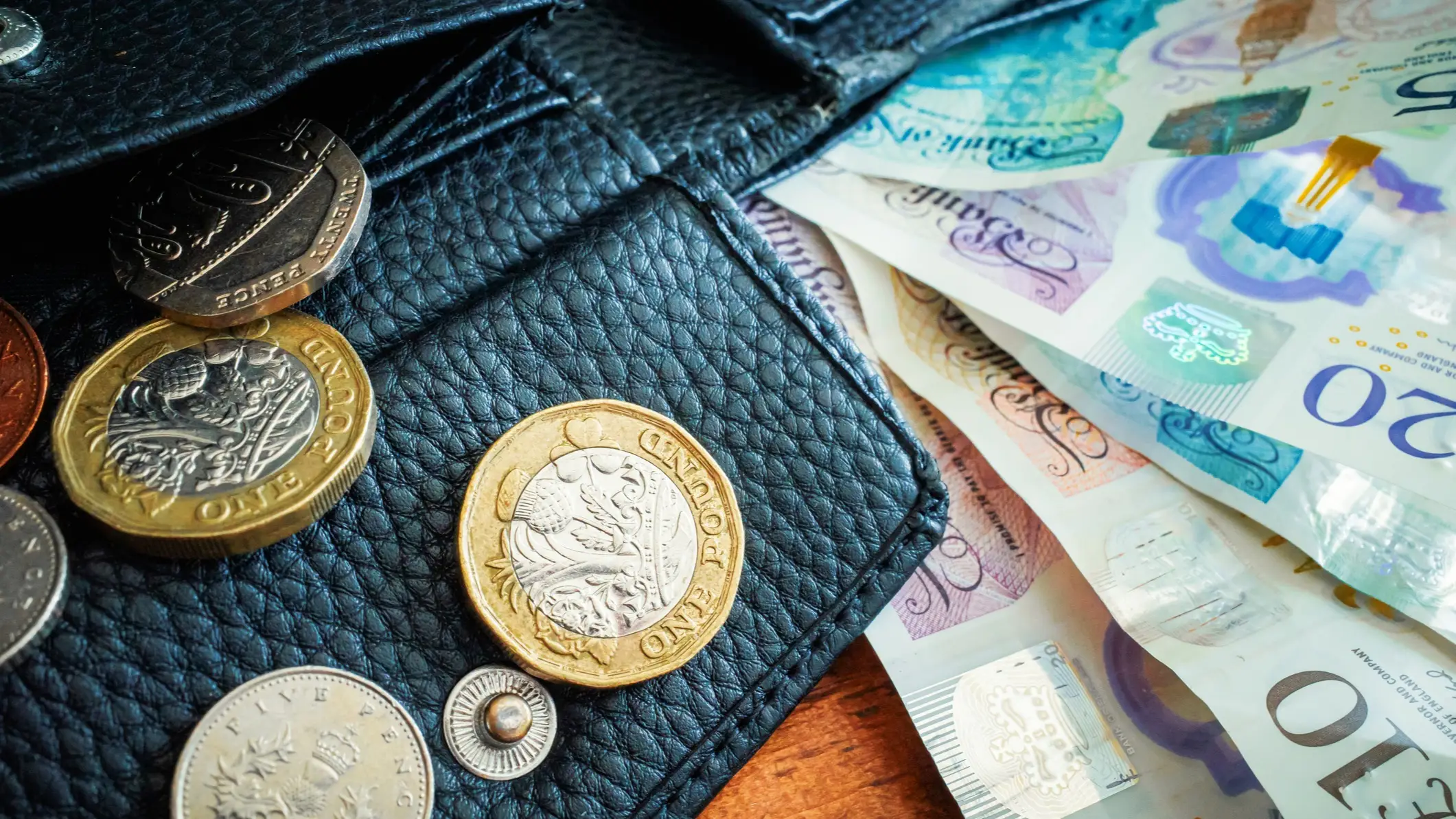
Millions of Brits could be forced to pay two years of tax in 14 months

Changes to the way some Brits pay their taxes could mean there's going to be a 14 month period where some people will be paying the equivalent of two years of taxes.
The government is looking at changing things for self-employed Brits who have to sort out their own taxes with HMRC and then pay what they owe in two chunks of money a year.
In case you're one of those people and you forgot to pay your second sum for the 2025/26 fiscal year then you're a week overdue for the deadline and you might want to get on that sooner rather than later.
The whole system is expected to change in 2029, with the Daily Telegraph reporting that the two annual payment system may be getting replaced with a monthly payment that'll run at the same time you're making the money you're getting taxed on.
Advert
However, the old and new systems would overlap for a little while which means that between January 2029 and March 2030 you're going to be paying two years worth of tax.
The current system
Most working people pay their taxes through Pay As You Earn (PAYE), where however much they owe is automatically deducted from their pay without having to handle paperwork.
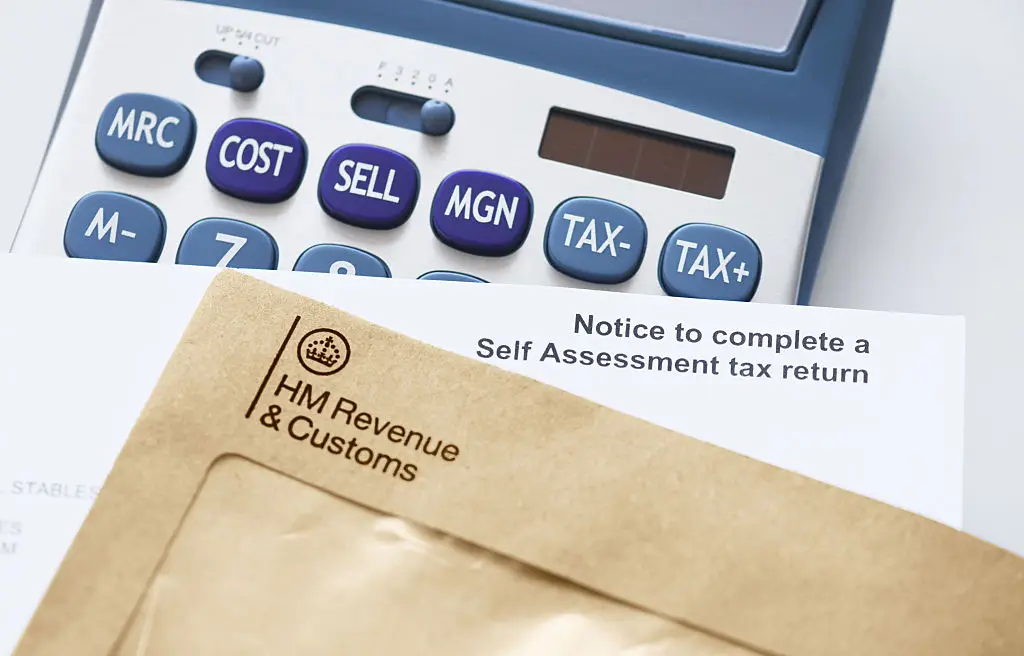
Millions of Brits file self-assessment tax returns and those who will be part of the shifting system in 2029 better be aware of all the times they'll have to pay.
Under the current system you don't start paying tax on the money you're earning from April onwards until January of next year, and you don't fully pay it off until the next July.
The deadlines for each payment are 31 January and 31 July, and the government says this approach runs the risk of 'bill shock', where paying bigger lump sums at fewer times in the year runs the risk of people getting their budgeting wrong.
The 2029 changes
If the changes kick in during 2029 the self-employed will still have to make the two payments to HMRC to settle up what they owe on the 2028/29 fiscal year under the old system.
At the same time from April 2029 when the 2029/30 fiscal year begins the new monthly payment system is due to start, so you'll be paying the current year's taxes and the previous year's for a bit while the two systems overlap.
Rather than paying 50 percent of tax in January and the other half in July the plan for the self employed would be they pay 8.3 percent a month running at the same time as earning the money.
So for the 14 month period between 31 January and 31 March those Brits will have paid two years worth of income taxes.
Without the changes the same group would be paying a year-and-a-half's worth of taxes in that same period as they'd have hit three of the four payment dates across two fiscal years.
The changes wouldn't mean people have to pay more in tax than they otherwise would, but they will have to pay their income tax self assessment (ITSA) much closer to when they earned the money.
A spokesperson for HMRC said: "No one will pay more tax, and spreading payments more evenly across the year will help customers avoid unexpected lump-sum bills.
"We recently sought views on how we can smooth any transition period for customers, and we’ll be setting out further details in due course."
 Joe Harker