How you can challenge your council tax band and become eligible for £100 government payment

The UK Government announced a £100 energy payment for households within the council tax bands A-D in a bid to help tackle rising energy costs.
Around 20 million households are expected to receive the payout which is set to start rolling out from January 2027.
It was first announced by Chancellor of the Exchequer John Healey in his first Budget, Healey explaining the money will be paid 'directly into people's bank accounts' in a bid to allow some 'breathing space'.
The Household Energy Payment will cost the Government around £2.6 billion.
Advert
But how do you know whether or not you fall within bands A-D and are subsequently eligible?
How to check your council band
Thankfully, the Government has a handy online tool which you can use to check your council tax band.
Armed with your address and postcode, you can figure out which band you belong in.
Or your local council should also have a tool where you can pop in your postcode and have a check too.
You can also be a curtain twitcher and check if your neighbours are all in the same band as you, should you so choose.
And this actually becomes quite important should you choose to challenge your band later on.
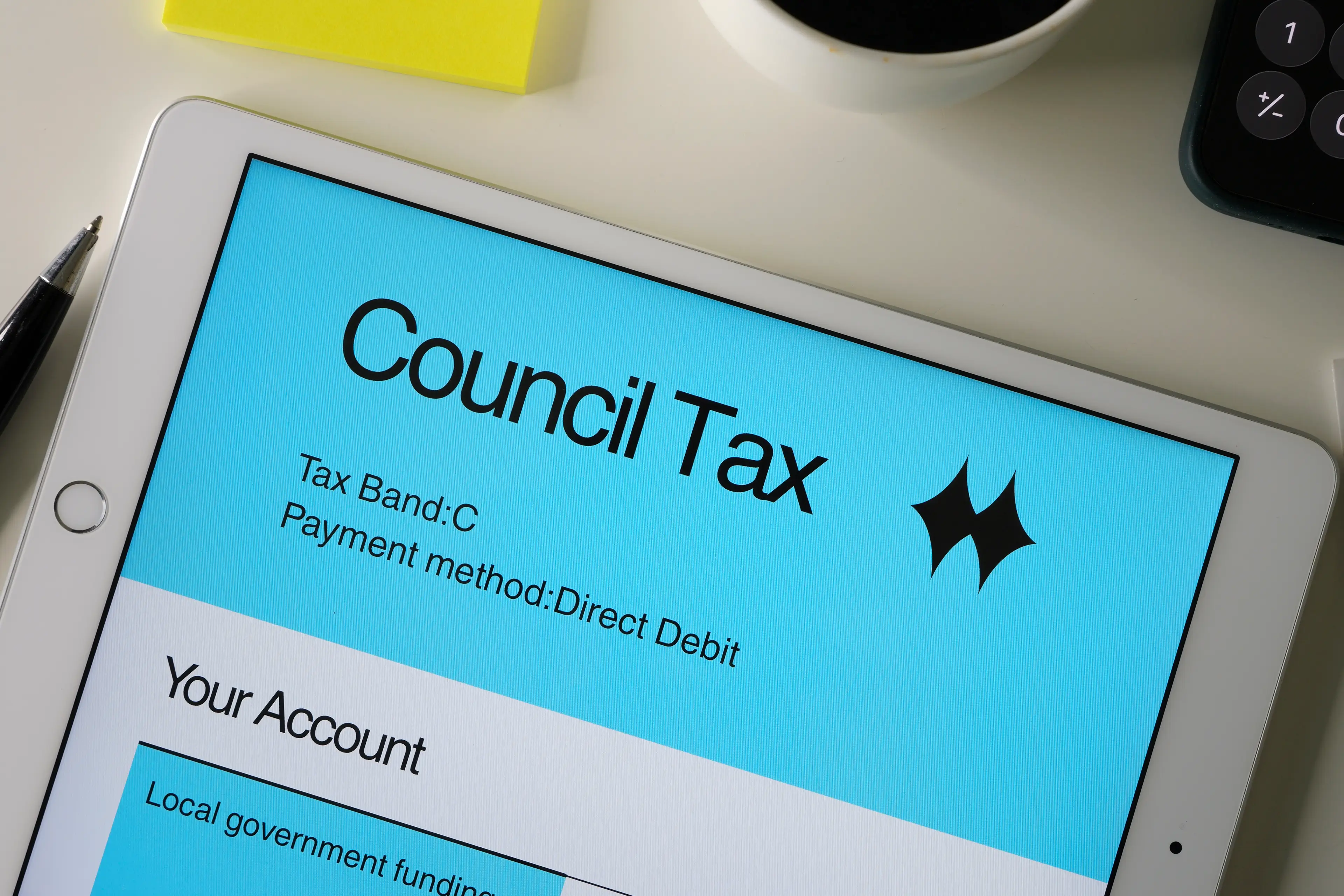
And should you not agree with the band you find yourself in? Well, fear not, because you can challenge the council on it.
How to challenge your council band
If you don't think you should be in the classification you're in, you can ask for a review.
You have a legal right to make a formal proposal if you've moved in or started paying council tax within the last six months, the Valuation Office (VO) legally obligated to investigate.
If you've been living in your property over six months and there haven't been any structural changes, you don't have an automatic legal right, but can ask for an informal band review if you have strong evidence.
You'll also need to provide evidence of at least five similar properties in your area on the same street or estate, proving they pay less council tax than you do - see, told you the snooping would come in handy.
But how do they work out council bands I hear you ask?
How the council assigns council tax bands
If your property is located in England, your council tax band is assigned based on how much it was worth as of 1 April, 1991.
And for properties in Wales this dates back to the price on 1 April, 2003.
You can check this using the Nationwide House Price Calculator.
Then, it's about whether or not there's been a change to your property which may mean it's no longer in the right band.

Reasons you may be able to challenge your council band
As per the Valuation Office Agency (VOA) for England and Wales' website, you have a legal right to challenge your council band if the band has been changed within the last six months and you've been paying council tax for at least six months.
You can challenge if:
- there's been a change that impacts the property i.e. it's been split into multiple properties or merged into one.
- the use of your property has changed i.e. part of it is used for business
- your local area has changed i.e. a new main road or supermarket has appeared
You can also apply to have your property removed from the council tax list completely should it now be completely used for business, have been demolished, be in a 'serious' state of 'disrepair,' is derelict or undergoing major renovations which impact the majority of it.
What information you need to provide if you're proposing a new council tax band for your property
You'll need to detail any changes to your property, alongside if your property's use has change as well as how the local area around it has changed too.
Make sure to add in any physical works that have taken place on the property too.
And it's definitely work seeing if you may be eligible, Sky News reporting 66,060 challenges were made between April 2025 to 2026 which resulted in one in seven receiving a tax reduction.
Although, one percent did see their tax band increase.
May the odds be ever in your favour!
Topics: Cost of Living, Politics, UK News, Money, LADwallet
 Poppy Bilderbeck