
500,000 Brits earning over £6,240 are missing out on free money from their employer

Martin Lewis has urged eligible young people to opt in to their auto-enrolment workplace pension to ensure they don't miss out on free money from their employer.
With money tight amid the continued Cost of Living Crisis in the United Kingdom, hundreds of thousands of Brits have decided to opt out of their auto-enrolment (AE) pension contributions at work.
In the UK, employers are legally required to automatically enrol eligible staff into a workplace pension, and they must also make a contribution.
A percentage of an employee's wage is paid into the plan before taxes are deducted from the payslip, with the company's contribution helping bolster the pot for retirement.
Advert
However, a study by Lubbock Fine Wealth Management of the Department for Work and Pensions (DWP) has found that the number of people opting out of AE has reached 500,000 a year, as reported by PensionAge.
The analysis also discovered that 9.8 per cent of them, up to 158,000, of those opting out were under the age of 30.
While a suggestion that people under 40 should be given a £12,500 payment from their state pension early to offset their current financial troubles was popular, numbers of those utilising their work pension are decreasing.
Martin Lewis, who recently backed a 12-day warning for Brits to take a photo of their energy meters, has urged youngsters to consider opting in, if they're eligible, instead.
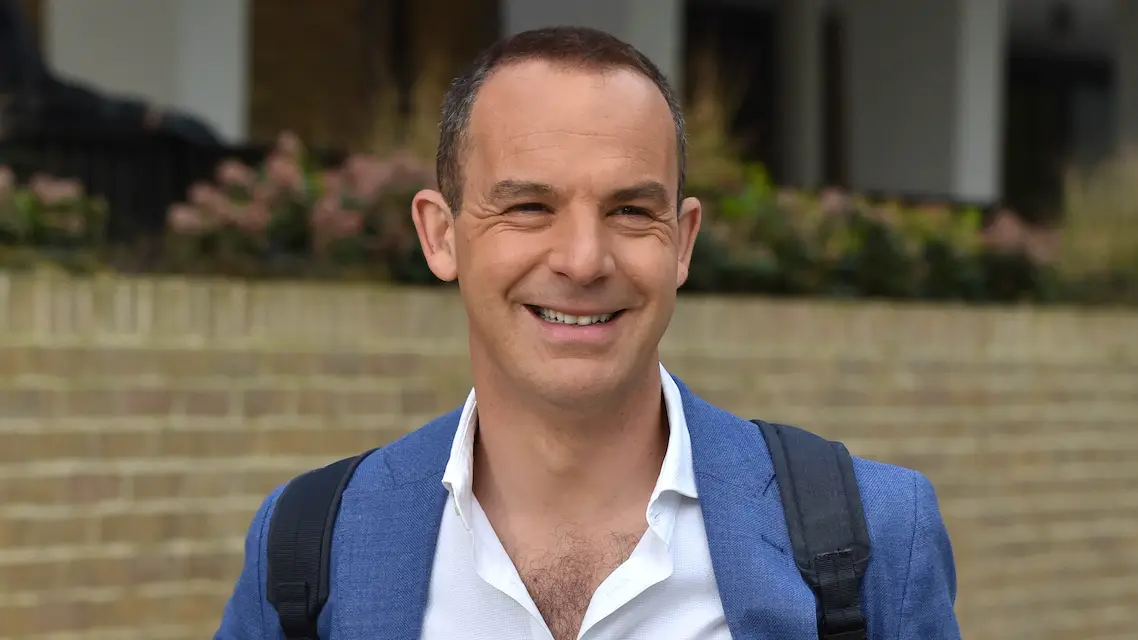
Martin Lewis offers pension advice
Lewis has taken to X to clarify the laws around AE for young people, explaining it only starts once a person turns 22 and is earning at least £10,000 a year.
"I saw a post saying: '55% of 18-24s have already opted out of their workplace pension," he wrote on social media.
"'Those with the most time to let money compound are walking away from free employer cash. Worst decision they’ll make?'
"I didn’t repost, as the stat confuses me. Pension auto-enrolment only starts at age 22, if you earn £10,000+ a year. So for 18–21s, there isn’t usually an 'opt-out' situation."
However, the Money Saving Expert then urged those under the AE age, who earn over £6,240 a year, to decide to opt in to the scheme on their own accord.
As a result, they can start earning contributions from their employer and get a big boost in their savings.
Lewis continued: "BUT...the underlying point is important. If you’re under 22 and earn over £6,240 a year, you can choose to opt IN to your workplace pension - and your employer then must usually contribute to it too.
"And in some cases, especially say if you're living at home with parents, so have lots of disposable income, it's a fantastic thing to do.
"You get extra money from your employer and it has HUGE time to grow before you retire."
Employees warned they're missing out on 'healthy' pensions
The rise in young people opting out of their work pension payments isn't surprising, according to Andrew Tricker, a chartered financial planner for Lubbock Fine Wealth Management, as the pressures to save for a house in an expensive market and rising living expenses make keeping pension payments for the now look more attractive.
“It’s a real concern that so many younger people are opting out of AE,” he said.
“Many young people are living on such a tight budget that skipping that AE contribution seems like the only way to make ends meet.
“They have student debt to pay back, the pressure to build up a deposit for their first home and the cost-of-living crisis. It is not surprising they aren’t saving for a date that is 30 years away."
Yet, Tricker has made it clear that the best way to save for a comfortable retirement is to start saving from a young age as possible.
He continued: “The maths shows that if you want to build up a healthy pension pot you should invest from as early an age as possible.
“Perhaps one solution to this could be for the DWP to provide more information to the individual on what the impact of opting out might be.”
Topics: Money, Martin Lewis
 Daniel Murphy