Brits urged to ‘doomsday prep’ their bank accounts in case of Black Sky event or cyberattack

Brits have been urged to ‘prep’ their bank accounts in case of an emergency following a warning that ‘unexpected events seem to be becoming more and more common'.
The UK Government has pushed its ‘Be Ready’ campaign, calling on Brits to stock up on essentials such as water, non-perishable food, and medications in case the country is hit by issues such as challenging weather, online disruptions or even a Black Sky event.
Speaking last month, Prime Minister Andy Burnham told BBC Radio 5 that people need to be more ‘resilient’ in the face of potential events that could knock our lives off kilter.
"We’re having the conversation with people about being better prepared because we’re living in a world where unexpected events seem to be becoming more and more common," he said.
Advert
“Obviously, weather events, and we’re in a situation today where the UK is facing storms and obviously, we feel for the people without power in Cornwall right now.
“It is just having those supplies in the house to get you through those moments. So we are having that conversation about resilience.”
However, while you may have already begun stockpiling tins, batteries, and water, one money expert has suggested that now is an ideal time to ‘doomsday prep’ your finances.
Noyan Nihat told the Metro that making sure your money is safe in the event of a cyberattack or internet outage doesn’t need to be complicated.
First off, he recommends opening a second bank account, if you don’t already have one.
And, crucially, make sure that your second bank account is not within the same banking family as your first.
“Most people don’t realise that a second account with a sister brand gives you very little protection,” he said.
“For example, Halifax, Lloyds and Bank of Scotland all sit within the same group, as do NatWest and RBS, and they often share the same systems.
“If one goes down, the others can go down with it.”
As well as looking for a different parent company behind the bank, try and find one that runs on a whole different network - so if your current bank account is Visa, look for one that uses Visa - so then if one is taken out, you’ll still have your back-up.
You should also ensure that each account has enough money set aside to cover regular outgoings, so if one of your accounts is out of action, you’ll have enough in the other to cover your bills.
Noyan also suggests that you check that your money is protected.
If you’re in the lucky position to have a healthy-looking savings account, then check that it stays within the Financial Services Compensation Scheme protection limit of £120,000, as this is the maximum amount the FSCS will pay out, per bank, if the firm collapses.
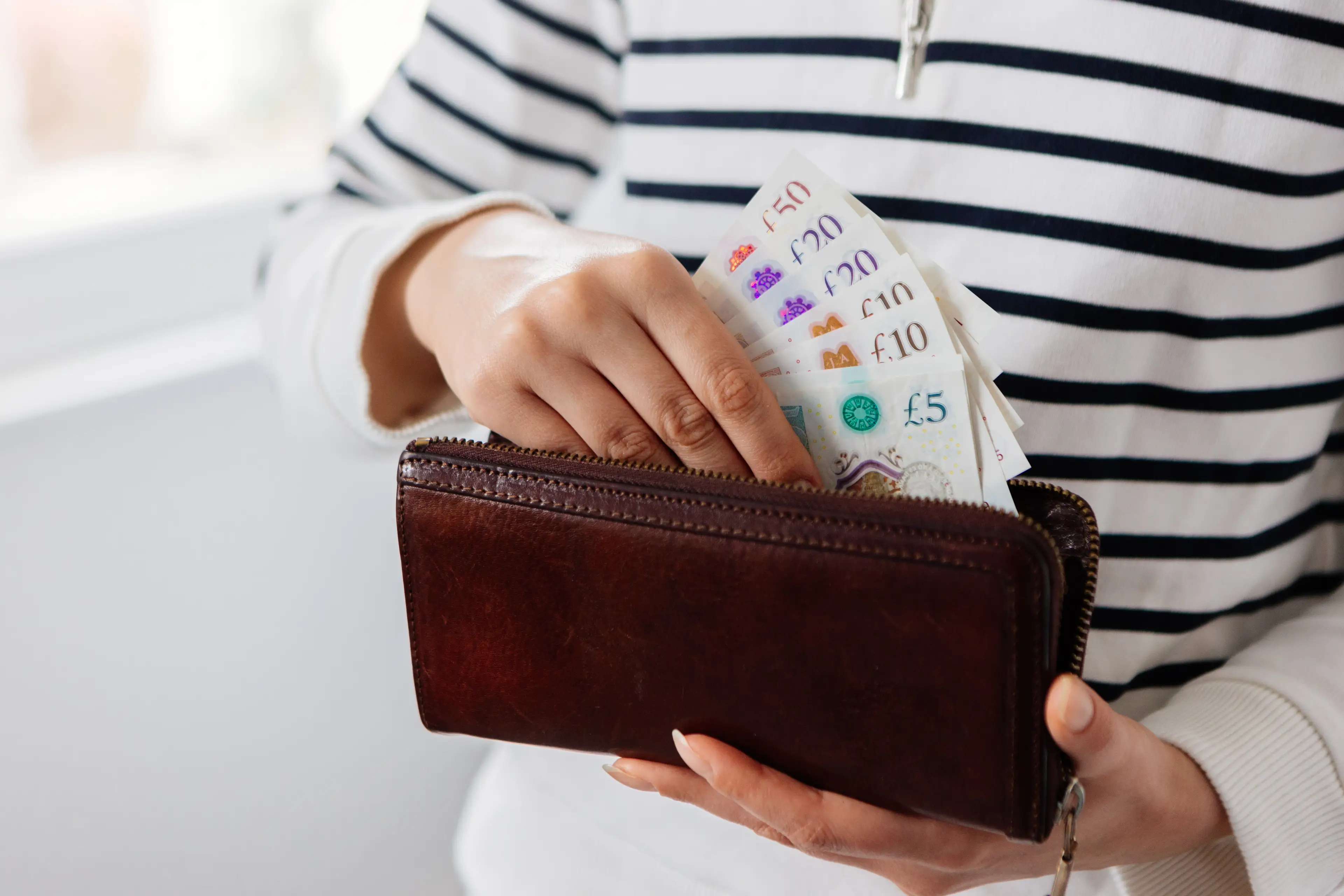
Much like making sure you have essentials stocked up, Noyan recommends you also keep some cash at home to ‘cover around a week of essentials like food, fuel and medicine’, which could come in handy in case a Black Sky event.
He told the Metro: “For most households, this is somewhere between £100 and £300.
“Keep it in smaller notes and coins, because in an outage nobody will have change for a £50.”
However, he also warned that you shouldn’t keep too much physical cash at home, as it’s not protected as it would be with your bank.
Finally, Noyan has warned folks to be extra vigilant to scams, noting that ‘fraudsters thrive on disruptions’.
So, if your bank does have an outage be wary of scammers calling pretending to be from your bank.
“Your bank will never ask you to move money to a ‘safe account’,” he said.
 Claire Reid