
Ofcom urges broadband and TV customers to check contracts as some could save over £100

Brits who have reached the end of their contract could save over £100 a year by switching things up and getting onto a new deal, according to Ofcom.
Millions of people are paying more than they need to because their contract has ended and they've been put on a rolling monthly deal with the same provider, but they could be getting the same services for lower prices.
You get a place and sign a contract with some company to provide you with TV and broadband, and you'll also probably have to pay for a landline even though barely anyone uses those these days.
Once your contract's up they don't just cut you off, they keep you as a customer on what's likely to be a slightly more expensive deal, but it all adds up across the months.
Advert
According to Ofcom this is the perfect time to go and get a new deal, either by switching or by signing up with their current provider.
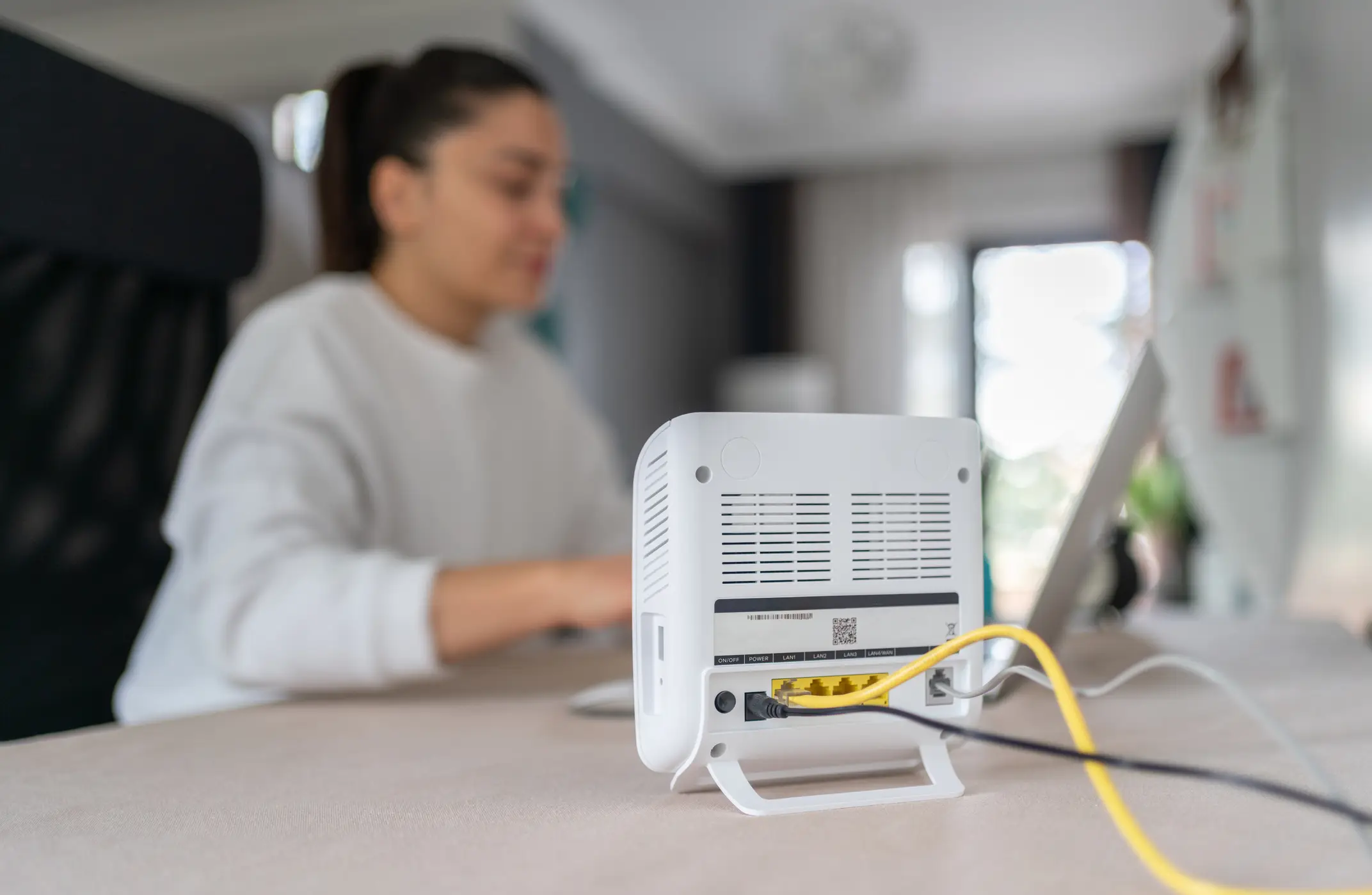
Checking your contract end date
First things first is knowing if you're out of contract, this one should be easy to do as all it takes is to look at your bills or go onto your account you've got with your provider and it should be quite clear.
"We know that many people feel worried about their bills creeping up over the next few months, but with a few simple steps some customers could achieve big savings," said Natalie Black, Ofcom’s Group Director, Infrastructure and Connectivity.
"Our advice to everyone with a broadband, mobile, pay-TV or landline contract is to check whether you’re in or out of contract, compare the offers out there, and if right for you then switch and save."
They've dug into the numbers and last year around one in three Brits who were on a contract for TV, broadband and landline were out of contract.
The average price for an in-contract customer is £69 a month for the bundle deal, compared to £78 a month for those out of contract and on a rolling deal.
Nine extra quid a month soon adds up to an average saving of £108 a year and all it takes is sorting out a new deal.

Shop around for a new deal
Ofcom have their own broadband service checker to see who can give you coverage, and it's worth checking over your own deal to see how it holds up or whether you're in a position to sort things.
Go through the companies that cover your area and use price comparison sites to check how much you'd pay, and whether they'd have any introductory deals for you.
Meanwhile, MoneySavingExpert has suggested that if you're looking to get a new deal then you should give haggling a go, since companies will always offer better deals to their newer customers and the longer you've been with a provider the more they'll take you for granted.
If you've been with the same place for years and not looking for a better deal then your provider absolutely loves you, because you'll pay more for the same thing than a new customer who needs to be teased with a deal.
Shop around and check if there's better deals on offer, and tell your provider you've seen a better offer somewhere else and you think you're paying too much.
The nuclear option is saying you'll leave, as there's a chance they'll put you through to a department that can give you better deals in the hope you'll stay.
Get looking and see what's out there, you might end up paying a lot less than you used to.
 Joe Harker