Minimum wage rise could mean nearly £1,000 extra a year for Brits

Millions of Brits are expecting to be told they will see an increase in their pay packet with a major minimum wage announcement - but how much of a difference will it make?
Chancellor John Healey is expected to unveil new salary measures as part of the autumn budget on Wednesday (28 October).
Although the government is yet to confirm the move, the report states that the National Living Wage, applying to those over 21, will rise from £12.71 to £13.20 – a rise of 3.9 percent, or 49 pence per hour.
Meanwhile, the National Minimum Wage, which applies to anyone aged between 18 and 20, will see a 3.9 percent increase, rising to £11.27. If announced, those changes will come into effect next year, according to a report in the Times.
Advert
READ MORE: UK Budget 2026: What Andy Burnham’s first Budget could mean for you
With an increase of 49p per hour to the National Living Wage, LADbible has calculated that it could actually mean almost £1,000 per month extra per year for Brits, before tax.
Based off an average 37.5 hours a week, across 52 weeks in the year, a 49p hourly increase adds up to £956 as a gross-pay calculation.
Of course, the exact living wage increase has not been official confirmed, and the take-home pay will differ due to after-pay tax deductions.
For an average part time role, working 18.75 hours per week, the gross increase for minimum wage workers over 21 would be £477.75 per year.
However despite the National Living wage increase reports, the Living Wage Foundation has argued that workers would still struggle to 'meet every day costs' and that the actual independent living wage is calculated at £14.10 outside of London, and £15.45 in the capital.
Co-Director, Emily Sawh said: "This reported increase in the legal minimum wage will be welcome news for the millions of workers facing continued pressure on household finances.
"But even with this rise, many workers will continue to struggle to meet everyday costs. As household budgets remain stretched, it's more important than ever that work pays.
"That's why nearly 17,000 employers have voluntarily committed to paying the real Living Wage, ensuring their staff earn a wage that reflects the real cost of living and what people need to get by. The real Living Wage remains the only UK wage rate independently calculated and rooted in the cost of living."
Reports of the new National Living Wage policy comes two years after Labour promised to end 'discriminatory' minimum wage bands in its 2024 election manifesto.
It saw the party promise to bring wages for 18 to 20-year-olds in line with those over the age of 21 before 2030.
In a manifesto-breaking move on Wednesday, the Chancellor is expected to end the trend of hiking the national minimum wage for those aged 18 to 20 by more than the rate for older workers.
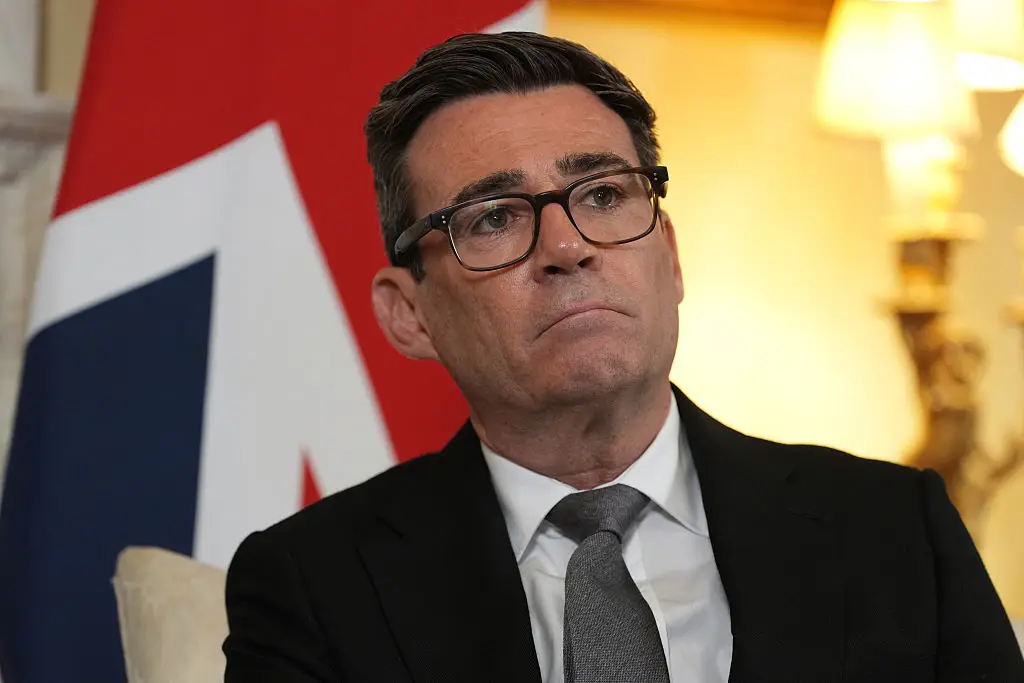
The Autumn budget will be Andy Burnham’s first since becoming Prime Minister in July and is expected to also cover student loan repayments, fuel duty, energy costs and a fuel mileage tax.
 James Holt