UK-based pilot who paid £110,000 to qualify breaks down how much he earns

A UK pilot for a major airline has broken down exactly what he earned after paying more than £100,000 to qualify in the profession.
Sam Todman, who posts on YouTube channel PilotBible created the video to explain his salary as an Airbus A320 captain for a 'major European airline'.
Sharing the video, he explained it was 'really important that anyone considering this career knows exactly how much return they could see on that investment.'
"In this video, I break down my salary as a UK-based Airbus A320 Captain for a major European airline, including basic pay, sector pay, bonuses, and pension," the description read.
Advert
"I also share a bit about my journey and the stark reality of the industry you may not know about. Zero-hour contracts, winter months with no pay, and having to work second jobs just to make ends meet."
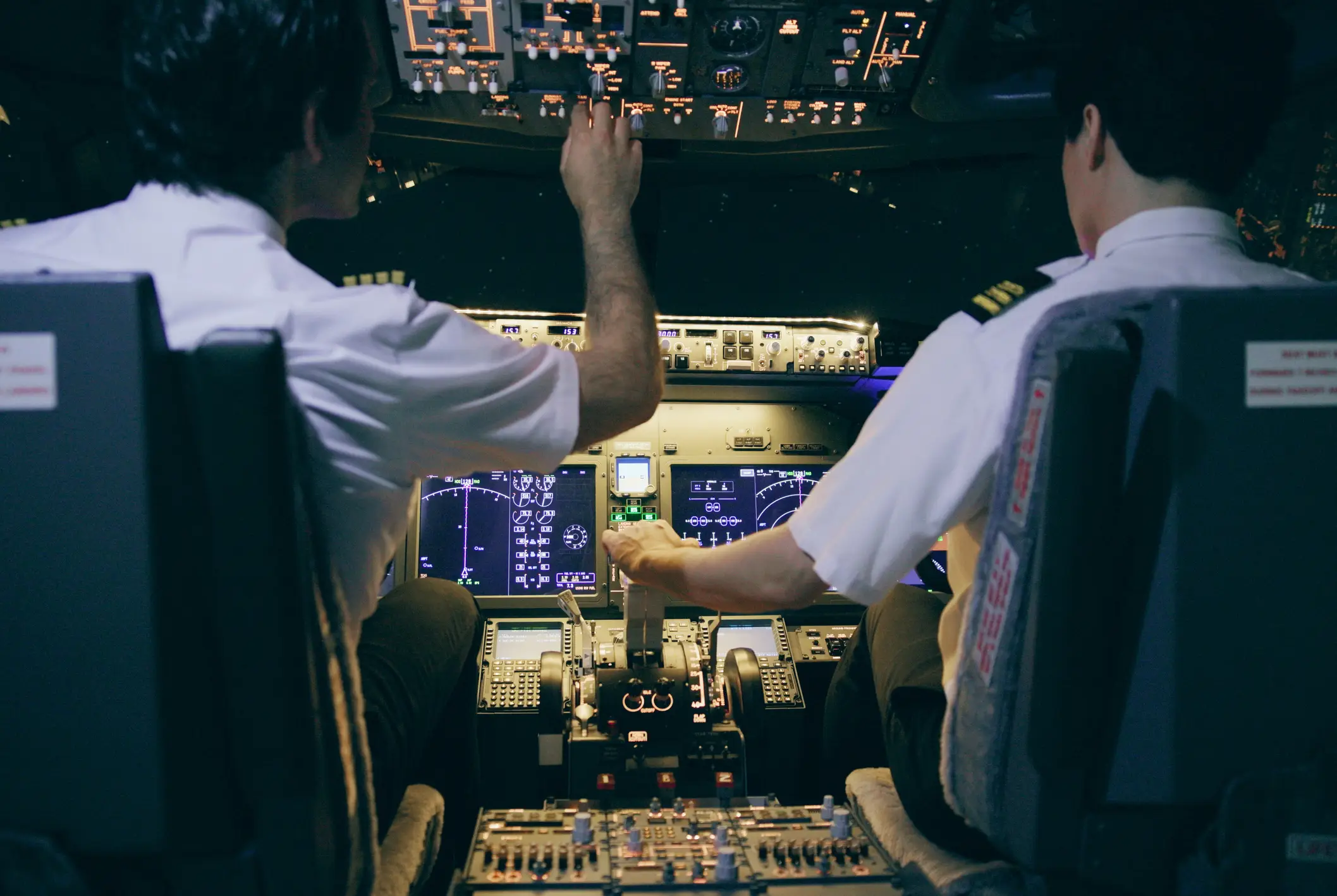
According to the Mission Aviation Fellowship (MAF), training as a pilot in the UK costs anywhere from £8,000 for a basic recreational licence up to £120,000 to become a commercial airline pilot, but the reality of take-home pay can be very different.
In a recent video titled: 'I paid £110,000 to become a pilot...here's what I make', Sam discusses a breakdown of salaries for experienced short-haul commercial airline pilots such as himself.
Pilot breaks down yearly earnings
Sharing an example of a £150,000 per year gross salary, Sam goes on to explain how heavily this is taxed, but then topped up along with 'sector pay' which is effectively an additional bonus depending on the distance being flown, and bonuses for pilots for staying with the airline.
"Let's take a look at what a captain who's been with my airline for over ten years earns each year, and what that equates to each month after the tax man has taken his pretty healthy cut," he explained.
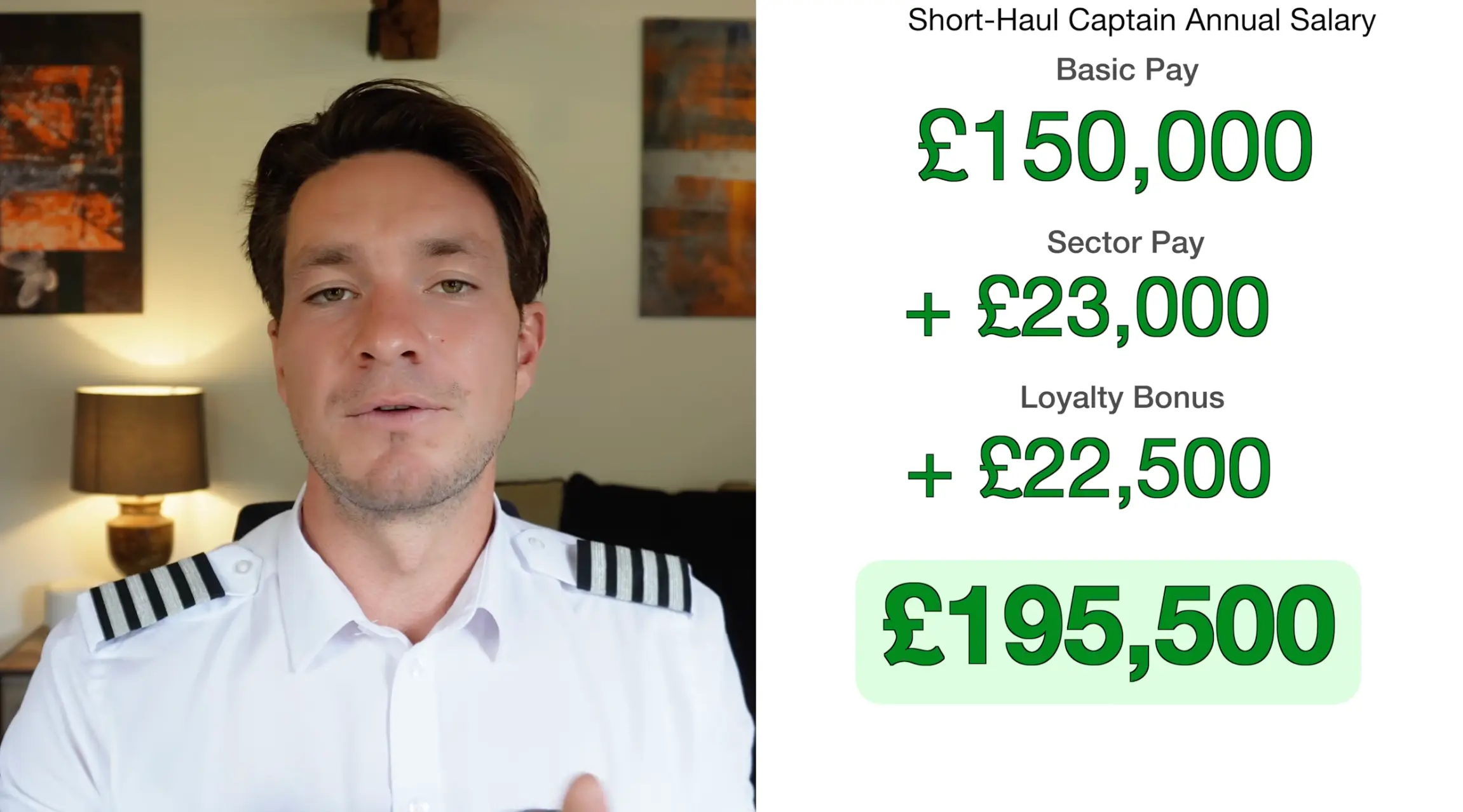
"So, first off, we receive basic pay. This is a fixed amount and we receive it whether we fly or not. And this is around £150,000 per year.
"On top of that, we get something called sector pay. Now, every airline does this slightly differently, but with my airline, we get paid per sector that we do, and the amount we get paid is actually based on the distance in nautical miles of that flight.
"The pay that we get per sector can vary from around about £45 all the way up to £110 per flight, but on an average year, this equates to around about £23,000."
Discussing other bonuses, the pilot explained: "Next up, we get a yearly loyalty bonus from the company. This is their way of thanking us for staying with them and not moving airlines.
"This increases every couple of years the longer you stay with the company. Right now, it's based on a percentage of your basic salary.
"So, at the moment, a captain who's been with my airline for 10 years is going to get a loyalty bonus of £22,500 each year.
"Now, there are a couple of other bits we might get in these pay checks, such as night-top allowances, but in my airline, we don't really do them very regularly, so I'm going to leave that out for now.
"So the figures so far total to £195,500 each year. On top of this, the company are going to put a certain percentage of your salary into a pension pot for you. And here it equates to £10,500. Obviously, we don't see that money immediately, but hopefully we'll see it one day."
"A pretty cushty amount... right?"
Sam also explained that for pilots who go on to become an instructor, they can see a 12 to 15 percent uplift on their salaries.
"Let's say they become a line training instructor as opposed to a simulator instructor. This is going to give them £18,750 of additional uplift each year.
"In addition to this, they're also going to get a small nominal amount every day that they actually train as opposed to just flying as a captain with a normal first officer.
"So let's say they train for 200 days out of 233 days they're contracted to work for, this equates to around about £5,000 a year. So the new total is £219,250 per year. That's a pretty cushy amount of money, right?
Discussing taxes, Sam says that despite the 'tidy sum of money', it isn't all as it seems. He has since gone down to being a part-time pilot due to other issues such as demand and anti-social hours.
In the clip, he explains: "But do remember the tax man is going to take £84,866 of that. Quite greedy, eh? So this would leave me before I make any personal pension contributions with a monthly take-home pay of £10,666. Again, that's a pretty tidy sum of money, eh?
"And it's what I could be earning, but I'm not. You see, the problem is being a full-time captain at a lowcost short hall airline like mine is, in my opinion and the opinion of many of my colleagues, simply not sustainable for the long term.
"Well, not without eventual severe health implications anyway.
"As a very high level summary, the impact of relentless sleep disruption, really long working days, antisocial working hours, and the inability to plan things outside of work, and just the high level of disruption this job can cause in general to every part of your life, especially your relationships, as well as the intense levels of stress that we face at work every day, means that as things stand, if you're doing this job full-time for multiple decades, you're pretty much just sending yourself to an early grave.
"It's exactly because of this that myself and actually the majority of captains I know around my age at my airline have decided to go part-time, which means we only get paid a percentage of that salary you just saw, but we only have to work a percentage of the time."
 James Holt