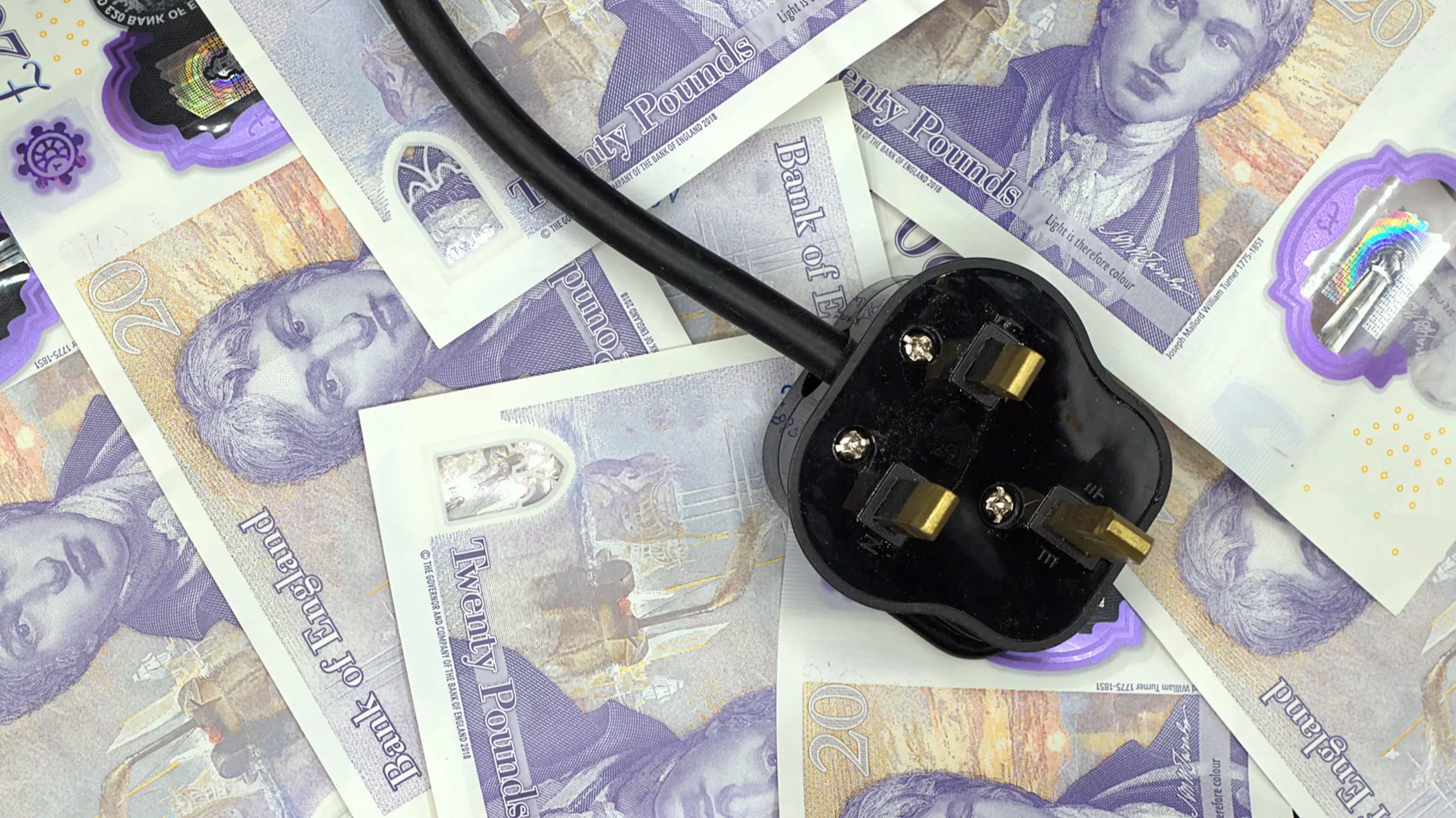
What you should do if you didn't fix your energy rate before today's price rise

The new energy price cap has kicked in today (1 October) and for many households in the UK it means bills are getting slightly more expensive.
With the price cap rise of four percent the average household energy bill in the UK will cost another £60 a year, but the next change comes at the beginning of 2027 and it's expected to be even larger.
If you didn't get a fixed tariff before now then you can expect rates to be higher to reflect the more expensive level of energy prices you'd otherwise be paying.
Fixing your energy prices would have been better off done before now, but since Cornwall Insight are predicting that on 1 January next year the price cap could rise again by as much as 16 percent, which would be an annual increase of £276 for people bills.
Advert
As such if you haven't fixed your energy tariff before now then you should give serious consideration to doing so before the new year.
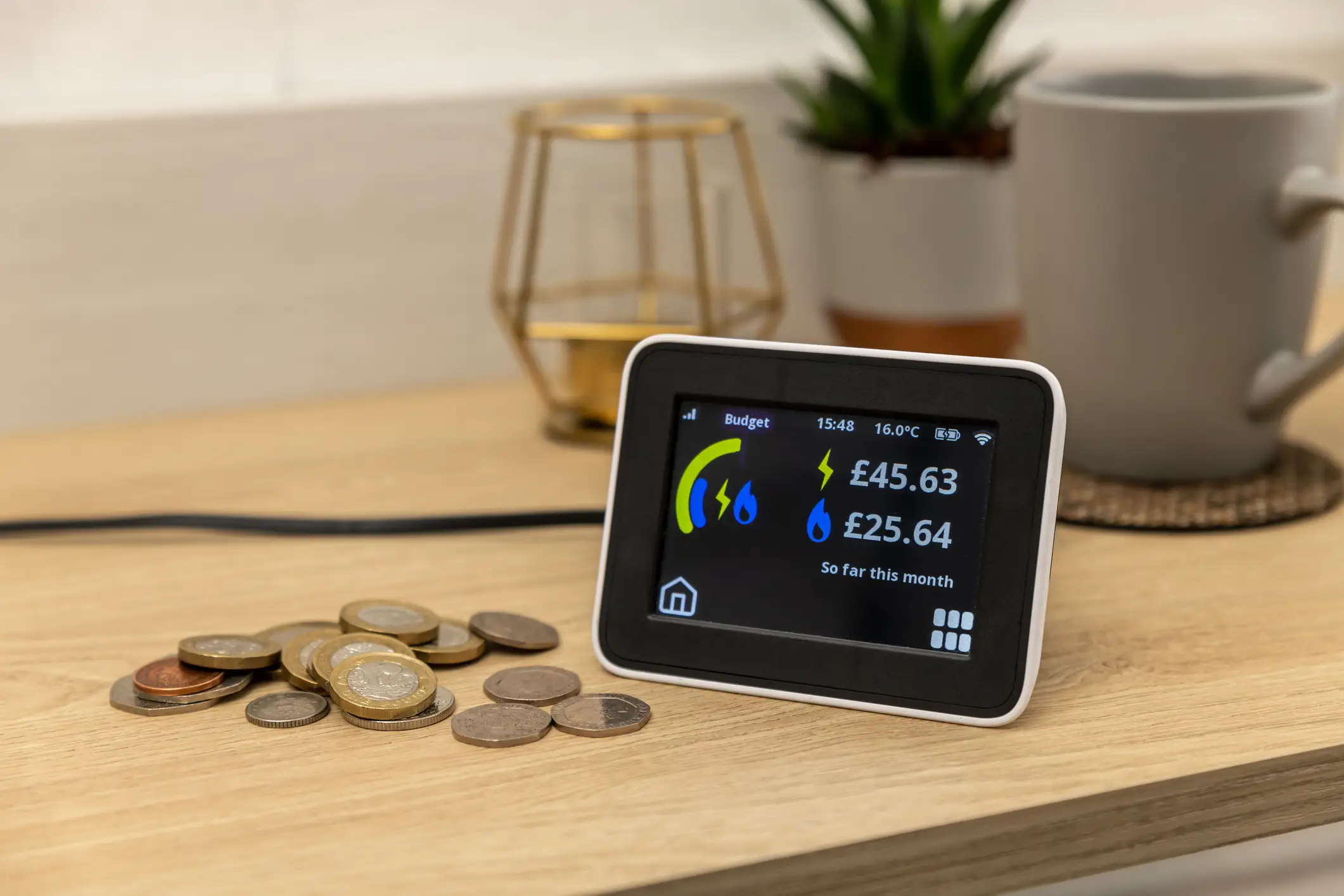
Fixing now to avoid paying more later
The price cap changes every three months and can go up or down, so the risk of fixing your tariff is you lock yourself into a certain price and then the cap goes down which makes energy bills cheaper for the UK households on a standard variable tariff.
According to Uswitch the best deal out there expires tonight and it's a Fuse energy one which will have your bills cheaper than the October price cap rise.
While the average UK household will be paying £1,723 a year for energy bills if you're on this 18 month deal you'll be forking over £1,611, so that's an annual saving of £112 compared to the current rate.
Given that the analysts are predicting another big price hike in January it may be better to fix now so you avoid having to pay more later.
If you want to go for a larger supplier then there's an EDF deal for 24 months that'll save you £70 a year compared to current energy rates, essentially undoing the October price rise that's coming for millions of households.
Both of those deals expire a minute before midnight tonight so this may be a case of acting now to avoid losing money later.
The future isn't fixed
If you can get a less expensive fixed price rate then given what's being predicted to happen in January with a significant increase to bills you're likely best off finding a fixed deal now.
However, fixing isn't going to be for everyone as one of the downsides of a fixed rate is that the best offers tend to put you in place for 18 to 24 months, by which time energy prices might have come back down again.
There are various other potential deals on offer including discounted tariffs or cheaper variable rates you can get on, so you'll need to consider what works for you and your situation.
Money Saving Expert released a series of predictions on the direction the energy cap would be going, and a big increase on 1 January is something they're also warning about.

They then suggest that the cap is likely to go down a percent or so on 1 April, before dropping by around nine percent on 1 July.
These are predictions so they're not set in stone and one of the big impacts that could cause energy prices to drop is an end to the US war with Iran if it gets fuel supplies flowing again.
MSE recommended that if you do fix then you should look for a deal with 'low exit penalties' so you have an escape route should the situation change and you realise you could get a better deal somewhere else.
For now though, that big increase in January is making switching to a fixed deal look like a highly lucrative option, with all the volatility in the world you might be best off knowing that price shocks aren't your problem for a while.
Topics: Money, UK News, Cost of Living
 Joe Harker