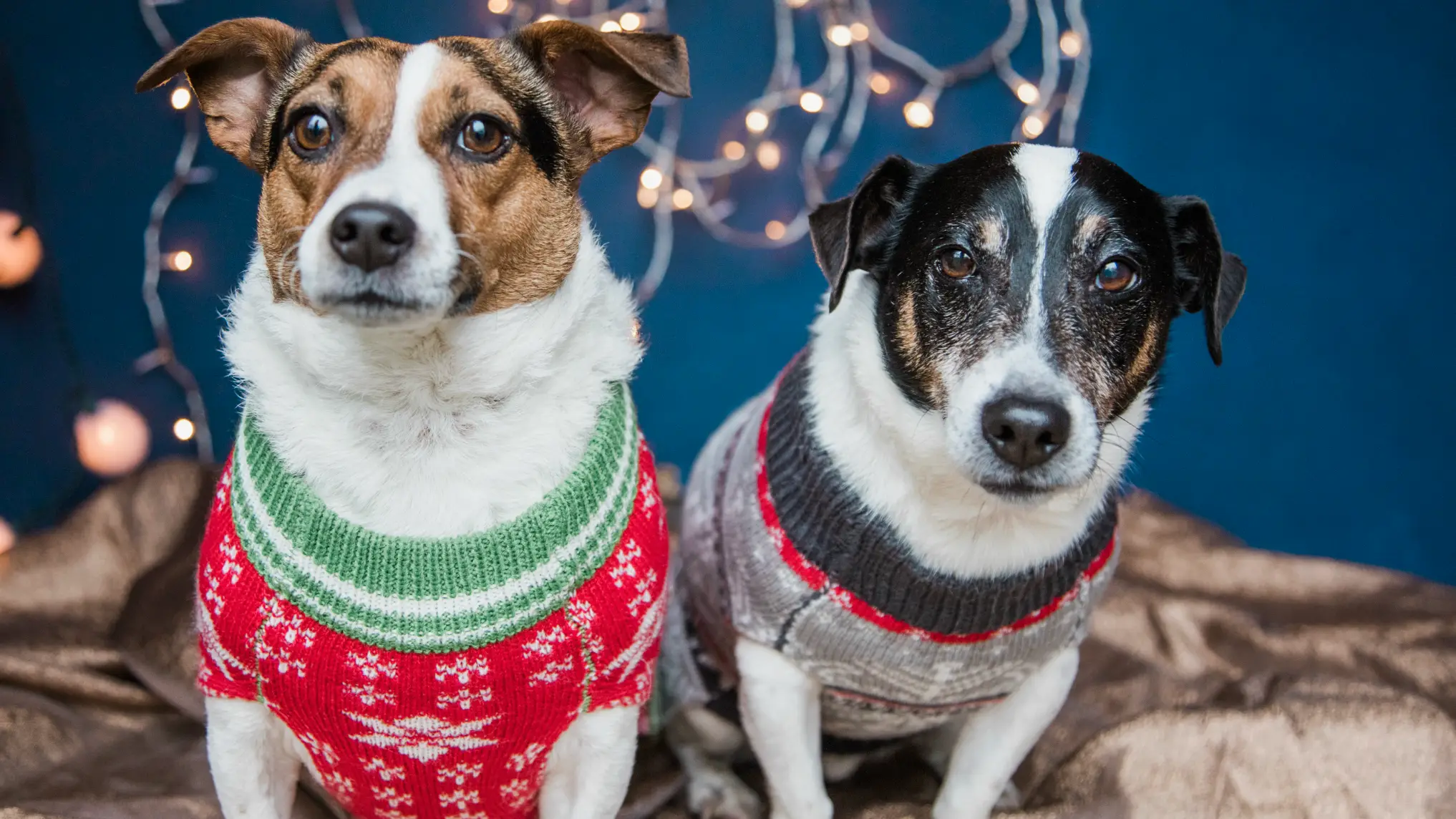
Expert shares the Christmas foods you should never feed your dog

Christmas is meant to be a time of excess, indulgence and treating yourself without guilt; tables are stacked high with food, cupboards are packed with snacks, and there’s usually at least one plate left unattended while someone pops into another room.
If you’ve got a dog in the house, though, that festive chaos can quickly turn stressful.
For many households, dogs are treated as part of the family, and it can feel cruel not to let them get involved when everyone else is enjoying a feast.
With a nibble here and a scrap there, it’s easy enough to wonder what harm feeding your dog could really do.
Advert
According to animal charities, a surprising number of pets are given festive treats on Christmas Day (and now leftovers in the buildup to New Year’s Eve), with some even being served up their own mini dinner.
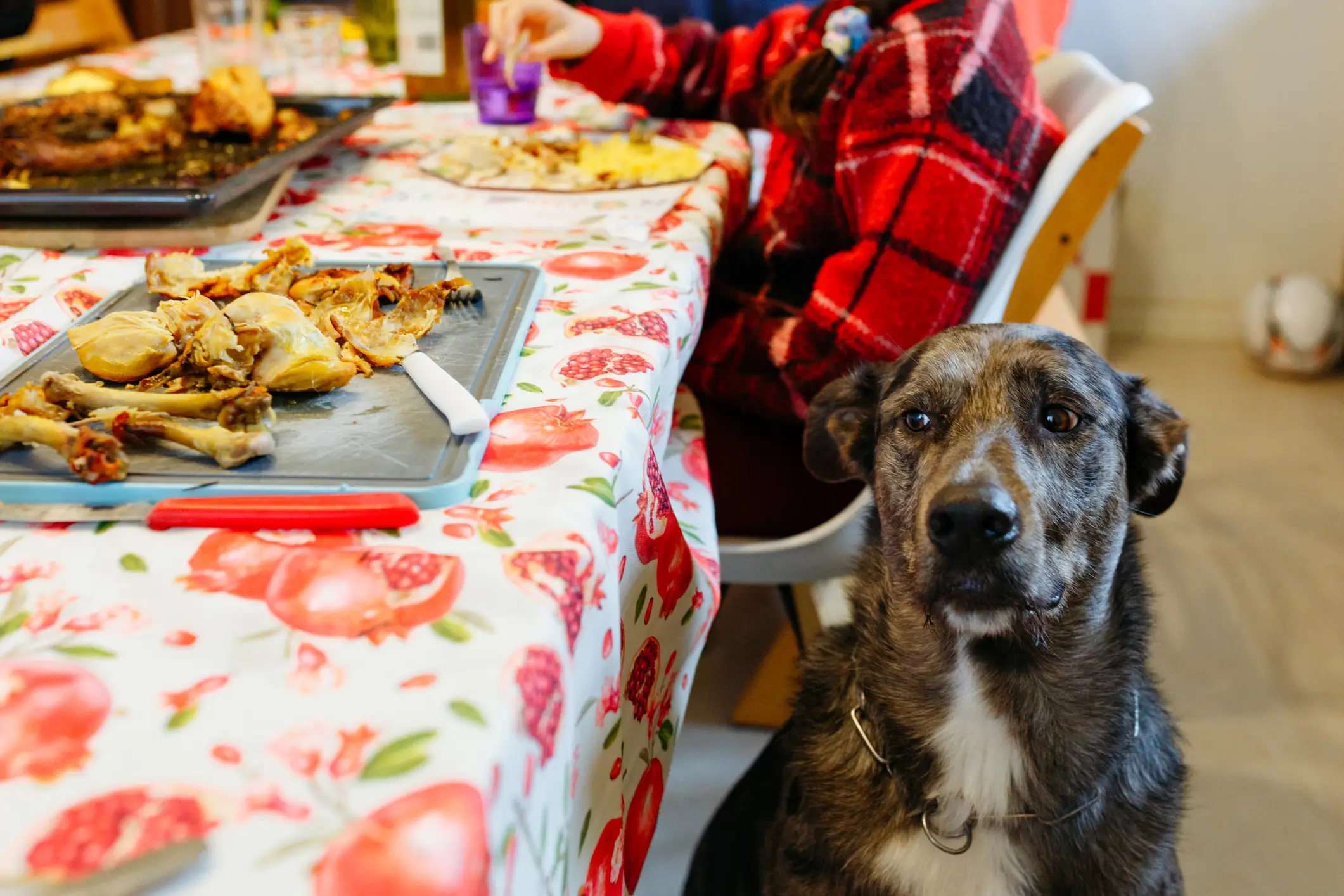
The problem is that dogs don’t process food the same way humans do, and what feels like a harmless indulgence can have serious consequences.
Vets regularly report a spike in emergency cases around the festive Christmas period, often linked directly to food that’s been dropped, shared, or stolen from the kitchen counter.
That’s why a veterinary nurse has issued a clear warning to pet owners this Christmas, urging them to think twice before sharing their plate.
Carolanne Cicero, a registered Veterinary Nurse and in-house veterinary adviser at Bella+Duke, says festive favourites can pose a real danger to dogs.
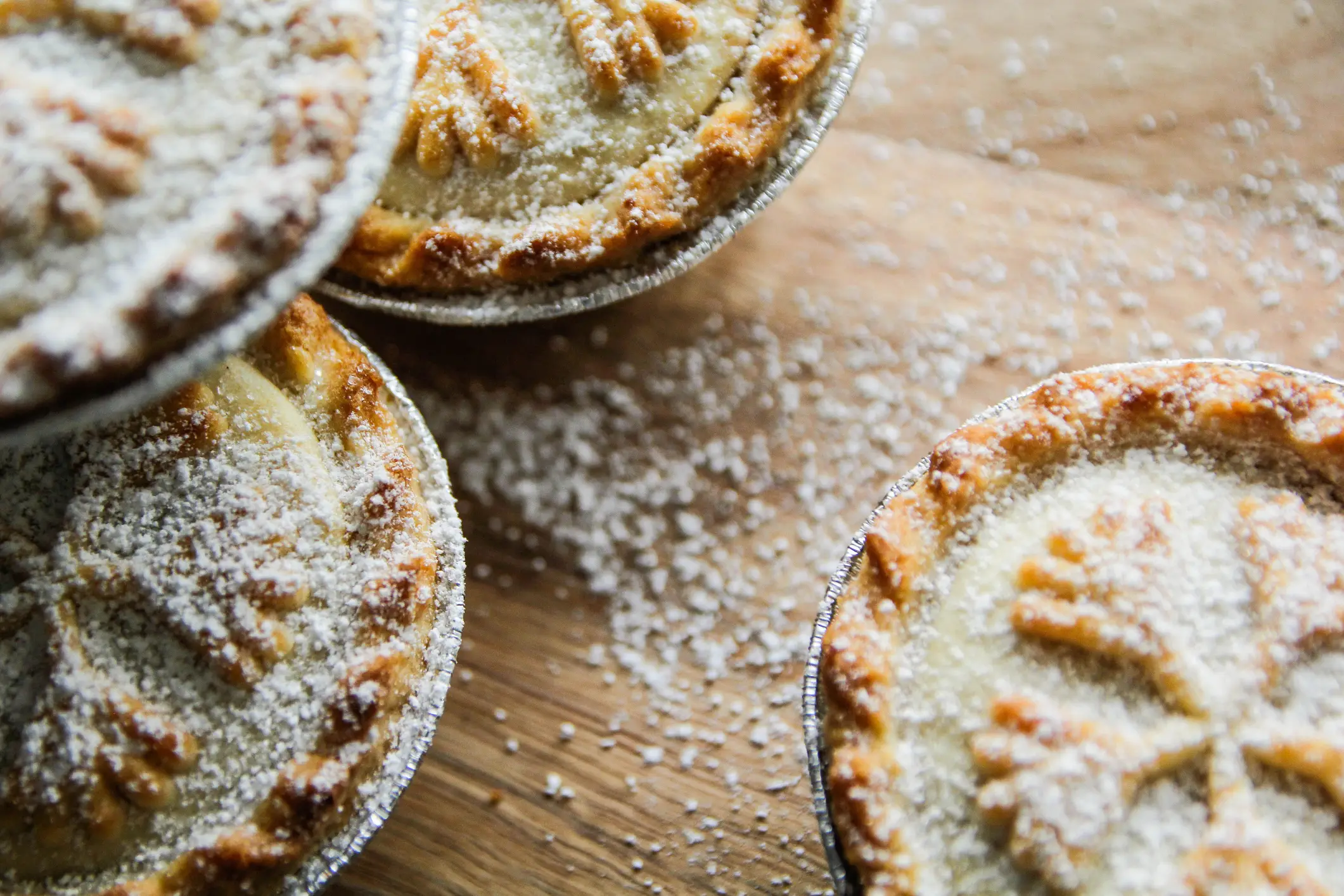
Mince pies
According to the Express, she said: "One of the biggest risks at Christmas is anything containing dried fruit, such as raisins, currants and sultanas…These are potentially highly toxic to dogs.
"There's no known safe amount, and for some dogs, even a single raisin can trigger serious kidney damage, which can be life-threatening."
That puts popular treats like mince pies, Christmas cake and pudding firmly on the no-go list.
Chocolate
Chocolate is another major concern, with dogs often helping themselves to advent calendars and festive selection boxes.
She added: "From late November through January, cases of theobromine poisoning rise sharply.
"Dogs commonly eat advent calendars, selection boxes and even chocolate Santas…Chocolate poisoning can include rapid breathing, muscle tremors and seizures."
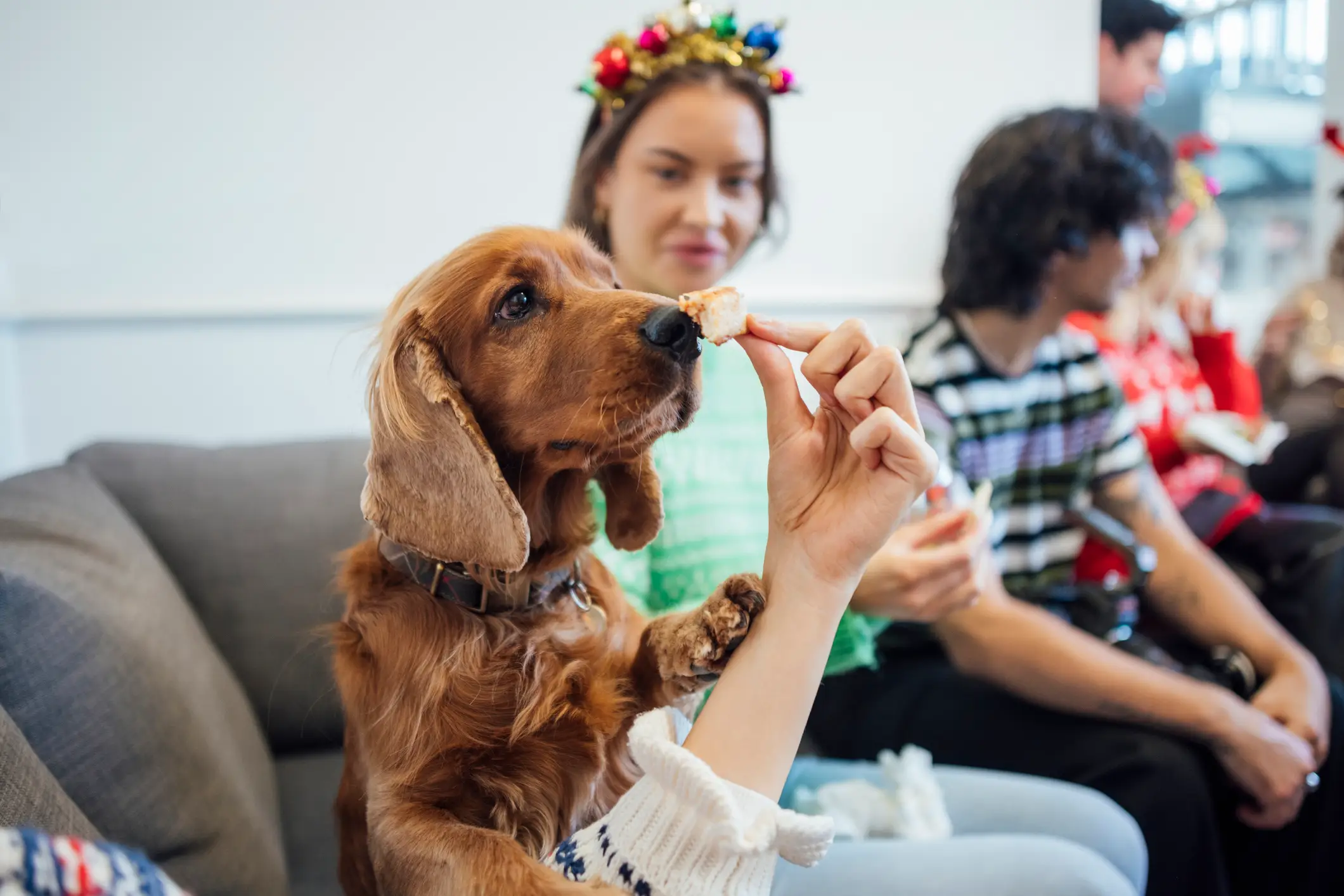
Pigs in blankets
It’s not just sweet foods causing problems. Savoury staples like pigs in blankets are packed with fat and salt, while gravy and stuffing often contain onions, which can lead to anaemia.
Cooked turkey bones
Cooked turkey bones can splinter and cause internal injuries, and even cheese (especially blue varieties) can trigger pancreatitis.
Cicero said: "Prevention is always better than a cure…Keep all food and drink safely out of your dog's reach, and if you're hosting or have dishes laid out, make sure your dog has a comfortable, secure area to relax away from temptation."
If the worst does happen, she advises acting fast, saying: "If you see your dog eat something they shouldn't, contact your vet immediately. Outside normal hours, owners can call the Animal Poison Line for advice."
What food is safe to feed your dog at Christmas?
Dogs don’t have to miss out completely.
"When making a Christmas dinner for your dog, choose ingredients they've eaten before without any issues…A simple, dog-safe festive plate could include turkey, chicken or beef paired with healthy vegetables like broccoli or Brussels sprouts.
"Avoid sauces and gravies."
 Ben Williams