GP highlights five types of pain you should never dismiss and the signs they could be something sinister

While most aches and pains are just part of getting older, a health expert says it's crucial to know if it could be something serious early on.
Back pain, chest pain, and headaches are usually nothing to worry about and will go away on their own. They're often caused by physical issues like muscle strain or poor posture, and can even be attributed to stress, dehydration or tension. They’re common and usually short-lived, with rest and hydration being recommended for most.
These symptoms, however, could indicate 'something serious in rare cases', according to Dr Ellie Cannon.
The London GP told the Daily Mail that 'it's always good to educate yourself on the things to watch out for', even though most people 'don't even need treatment'.
Chest pain
Advert
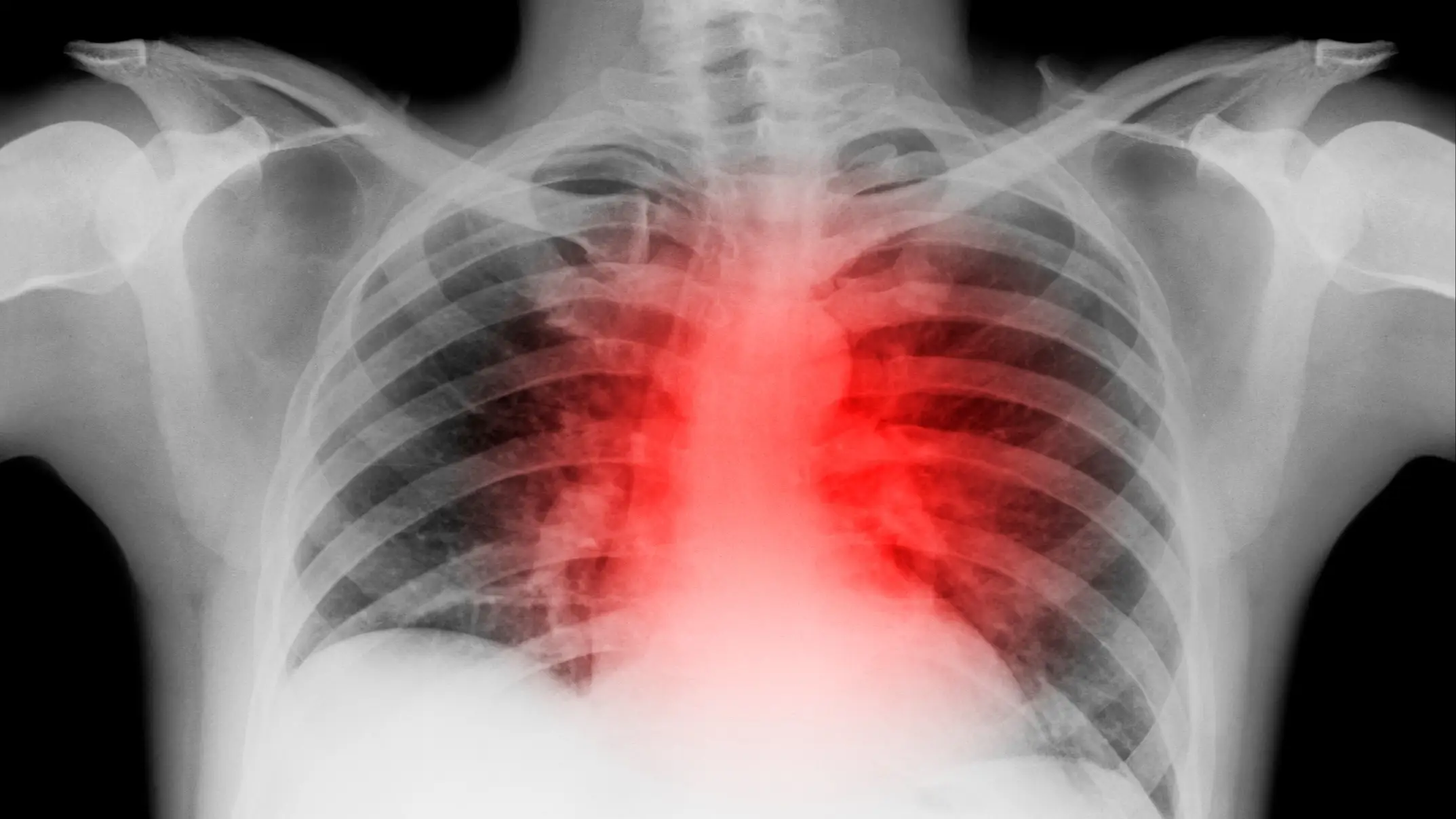
Chest pain is often caused by heartburn or indigestion, although sudden and persistent pain could be a sign of something dangerous.
According to the NHS, chest pain which lasts more than 15 minutes and spreads to the jaw or left arm may indicate a heart attack. Severe indigestion can also be a symptom.
Another life-threatening cause is pulmonary embolism, where a blood clot blocks blood flow to the lungs. This may lead to sharp pain worsened by coughing, shortness of breath or coughing up blood.
"Thousands of people suffer heart attacks every year and don't realise it at first," Dr Cannon said.
"Embolisms are less common, but need to be treated immediately."
Abdominal pain

Sudden pain in the upper right abdomen that spreads to the shoulder may suggest gallbladder inflammation, which can lead to severe infection if untreated. Intermittent cramping pain, combined with vomiting or severe constipation, may indicate a bowel obstruction that often requires urgent surgery.
In women, lower ab pain may signal an ectopic pregnancy, and testicular torsion in men, where twisted testicles cut off blood supply, may lead to loss of the testicle. The good news, Dr Cannon said, is that you can spot the difference by the pain threshold.
"If abdominal pain is caused by something serious, the agony will likely be unbearable," the expert explained.
"If it's only mildly annoying, then it's likely nothing too bad."
Back pain

Back pain is extremely common and affects a third of UK adults. But if it's accompanied with numbness around the genitals, bowel problems, or pain in both legs, it could suggest cauda equina syndrome, a nerve compression requiring urgent surgery.
A sudden, severe tearing pain between the shoulder blades may also be an aortic dissection, a life-threatening tear in the heart’s lining.
"I see patients with back pain every week at my clinic," said Dr Cannon.
"Almost all cases aren't life-threatening. But every now and then there's a case that requires immediate attention."
Head pain

Headaches are usually caused by dehydration, hangovers, or migraines. Yet a sudden 'thunderclap' headache can indicate a brain bleed.
Head pain with facial weakness, arm numbness, or speech problems may be a stroke, while headache with vomiting, fever, and light sensitivity can suggest meningitis.
"Thunderclap headaches are something that should never be ignored," Dr Cannon explained.
"If you experience head pain, look in the mirror to spot the signs of a stroke."
Calf pain

Calf pain is usually muscular, but swelling or warmth may signal deep vein thrombosis, a dangerous blood clot that can travel to the lungs.
"Deep vein thrombosis is one of those conditions that is deadly but many people don't know the signs," Dr Cannon said.
"Physical changes in your calves can be a sign of something very serious."
The NHS recommends to call 999 if you experience any of the more severe symptoms. If you are unsure of your symptoms, please call 111 for non-urgent medical advice.
 Anish Vij