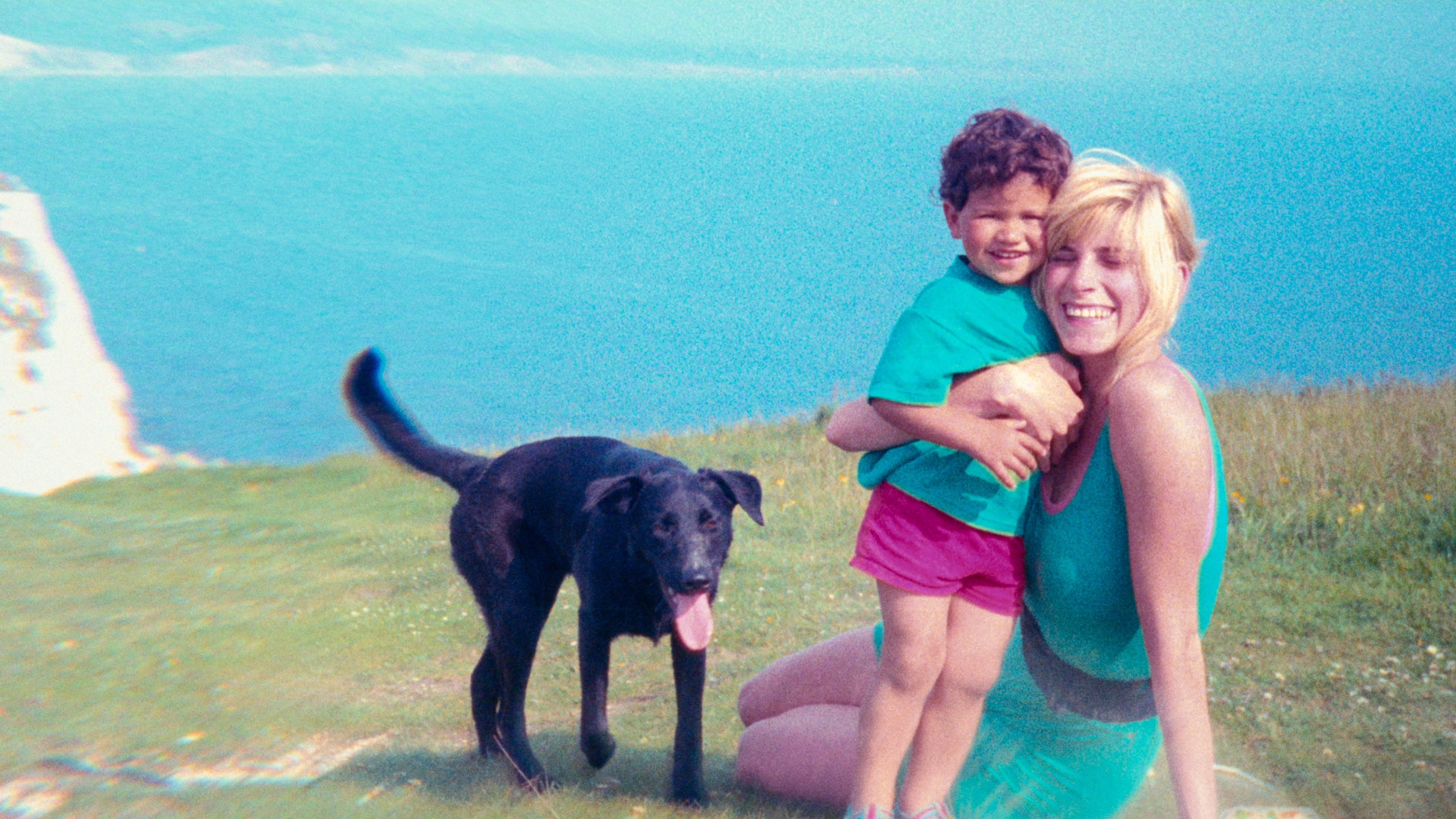
Boy who saw mum stabbed 49 times gave strange detail to police that led them to prime suspect

In July 1992, a young mother was brutally murdered in front of a sole witness, her two-year-old son.
Rachel Nickell was just 23 years old when she was stabbed 49 times and sexually assaulted while walking through Wimbledon Common with her little boy, whose evidence was integral to the investigation.
The devastating killing sent shockwaves through the UK more than three decades ago, and now, a new generation of Brits are about to be introduced to the harrowing case.
Advert
Rachel's tragic death is the focus of a gripping new Netflix documentary, which is set to be released later this week.
On Thursday (4 June), The Murder of Rachel Nickell will land on the streaming platform, alongside a three-part drama retelling the tragic tale, titled The Witness.
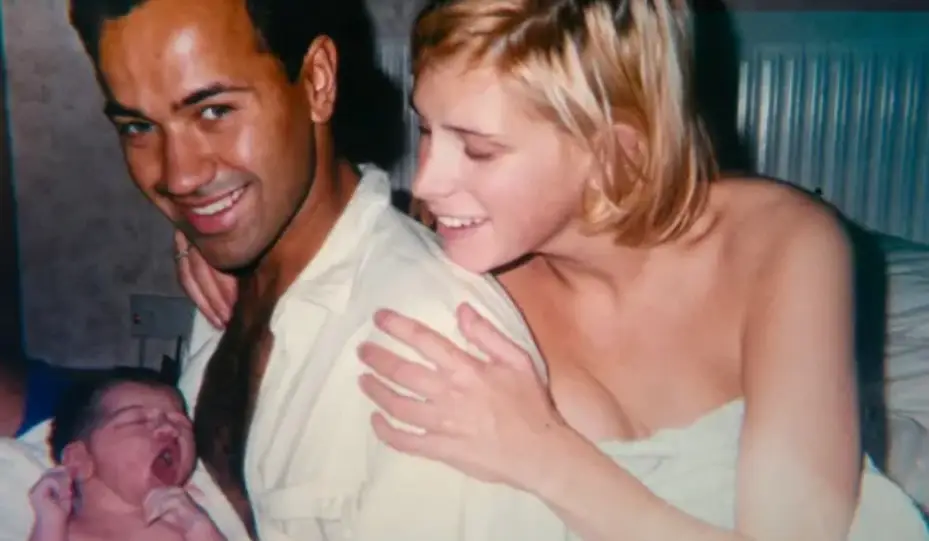
The documentary delves into the horrific details surrounding her death, the botched investigation that ensued and how her son Alex dealt with the unimaginable trauma.
Take a look at the trailer:
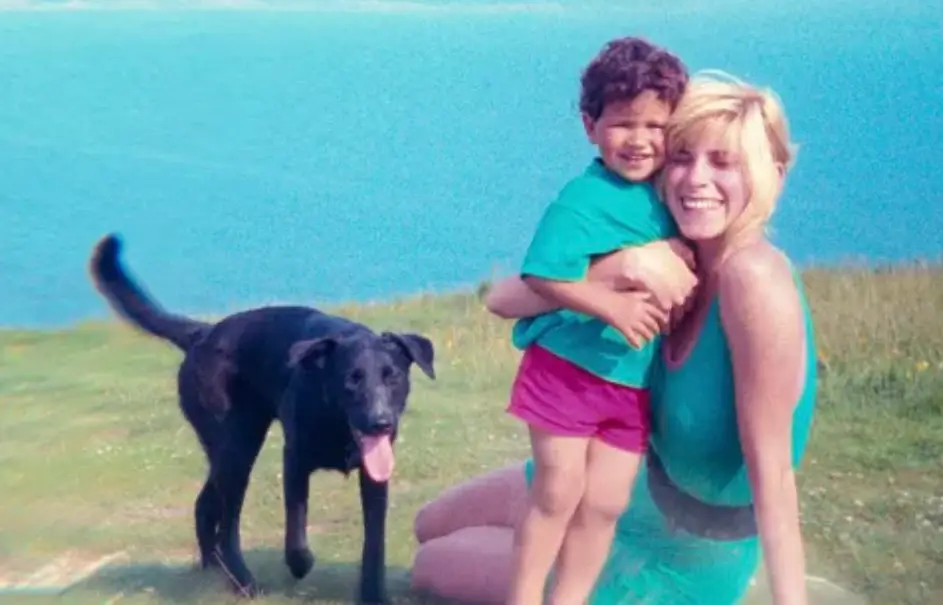
Rachel had been walking on Wimbledon Common with her two-year-old and their dog, Molly, on the morning of 15 July, 1992, when she was ambushed from behind by an assailant.
The mother-of-one was then stabbed 49 times and assaulted in broad daylight, while her toddler watched on in horror. Police later found little Alex heartbreakingly clinging onto Rachel's lifeless body.
In 2017, he opened up to The Guardian about what aspect of that fateful day he 'remembers most'.
He explained that he had repeatedly asked his mother to get up, as at the time he thought she 'was lying there, ready to wake any moment, like in the imaginary games we used to play'.
But when Rachel didn't rouse, Alex said he 'knew she was gone', adding: "That’s what I remember most...that feeling of losing someone you love, how everything can change in a matter of seconds."
Dozens of Metropolitan Police officers were dispatched to the grisly scene at Wimbledon Common to begin the hunt for the killer, as police feared that the sheer ferocity of Rachel's murder suggested another one would take place.
Cops turned to members of the public for help - taking witness statements, launching newspaper campaigns and TV appeals - while they also hoped two-year-old Alex might be able to assist the investigation.
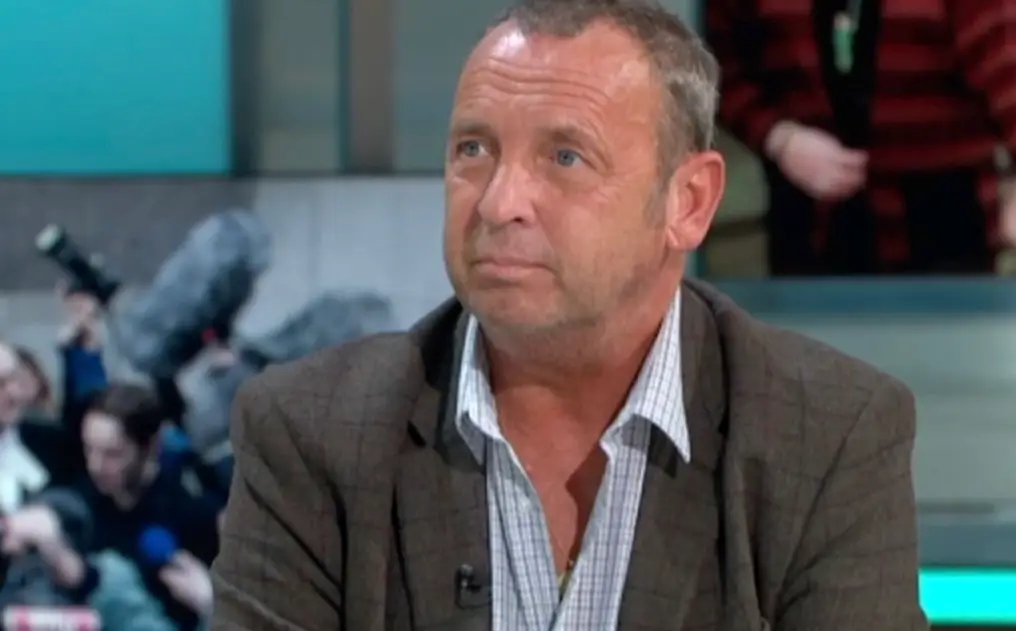
While working with a child psychologist, André Hanscombe, the little boy's dad and Rachel's grief-stricken partner, later managed to get his son to provide a description of the man who had taken his mother's life.
Alex described how a white man who had been wearing a white shirt, blue trousers and brown shoes had approached them both as they enjoyed their morning on Wimbledon Common.
Interestingly, the little boy pointed out that he had remembered that bloke he had seen was wearing his belt 'over' his white shirt, rather than looped into the belt buckles of his trousers.
This description was similar to one provided by a local woman who had been in the area on the morning of Rachel's murder, who also referred to the strange positioning of the man's belt.
She told police she had seen the mystery man walking towards the crime scene around ten minutes before the 23-year-old was attacked, while recalling how he was also carrying a bag.
Forensic psychologist Paul Britton then helped the force create a profile of the suspect they were searching for, while leaning on the description offered by both Alex and the woman.
A sketch of the man police wanted to speak to was then broadcast on Crimewatch, and the phones began ringing off the hook - as a host of people said it appeared to eerily resemble a man named Colin Stagg.
Subsequently, police went to his flat on the Roehampton estate in southwest London and were left stunned by what they found when they arrived.
Cops recalled how a notice was displayed on Stagg's front door, which read 'Christians keep away. A pagan dwells here'.
The inside of his home was similarly unnerving, as officers found signs of the Zodiac painted on the floor and knives littered around. Stagg was soon arrested before later being released due to a lack of evidence.
But some members of the Met couldn't shake the feeling that Stagg was the one behind Rachel's horrific murder - so it was decided that a female police officer would try and 'honeytrap' him into making a confession.
Using the pseudonym Lizzie James, the undercover cop wrote to the man dubbed a 'loner' by media outlets as part of a Lonely Hearts Club.
She spent several months building a rapport with him and Stagg later shared some details of his sexual fantasies in his letters, which involved knives and bondage.
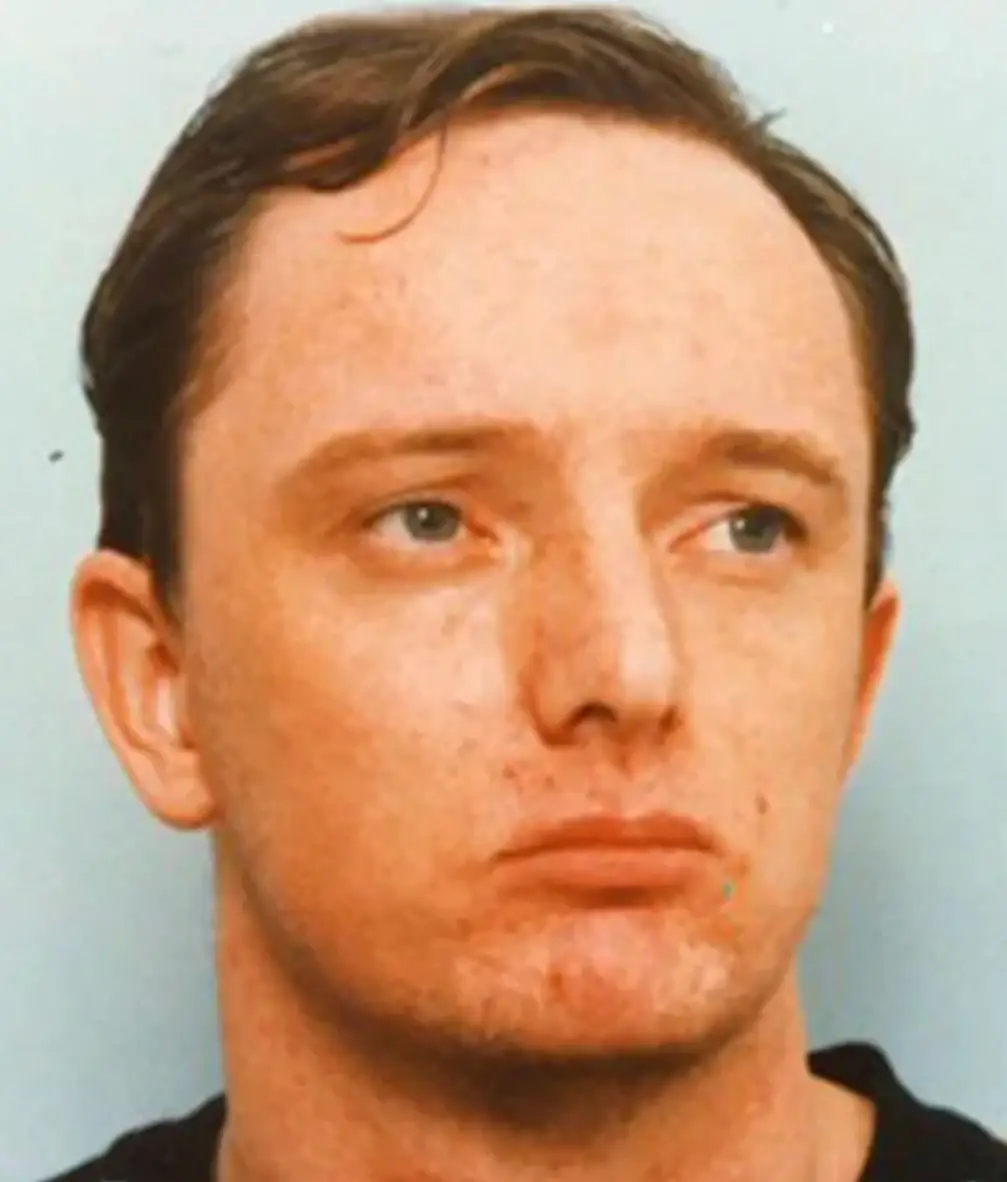
Police thought the things he had written to Lizzie James provided evidence he was the man behind Rachel's murder and decided to take him to trial in September 1994.
But the case at the Old Bailey was thrown out by Mr Justice Ognall, who ruled that the Met had used 'excessive zeal' to try and prove Stagg's supposed guilt, while engaging in 'deceptive conduct of the grossest kind'.
Stagg was acquitted and according to ITV News, he was eventually given £706,000 to 'rebuild his life' after being wrongly accused.
However, the majority of the British public and the police were still convinced he was responsible - until another barbaric murder made cops realise the man responsible was still at large.
Rachel's real killer, Robert Napper, finally faced justice for his crimes in December 2008, 16 years after her death. He remains indefinitely detained at Broadmoor Hospital.
The murder of Rachel Nickell: A timeline
November 1989
The mother of Robert Napper contacts the police to say her son has told her he's raped a woman on Plumstead Common in south-east London. However, police can't trace a rape, and Napper is never questioned about this alleged crime.
March 1992
Two 17-year-old girls survive rape attempts within an eight-day period on Green Chain Walk in Hither Green, south-east London.
May 1992
A mother is raped on Green Chain Walk. Her child is with her throughout the ordeal.
July, 1992
23-year-old Rachel Nickell is stabbed 49 times on Wimbledon Common on 15 July. She is found dead with her distraught two-year-old son by her side.
September 1992
Colin Stagg, who lives near the common, is arrested on suspicion of murdering Nickell after Crimewatch callers report him looking like a photofit of the killer.
October 1992
Napper is eliminated from the Green Chain rape enquiry for being 'too tall'. Later in the month, he is arrested for possession of a firearm and ammunition and is sentenced to eight weeks in prison.
August 1993
Stagg is formally charged with Nickell's murder.
November 1993
Samantha Bissett and her four-year-old daughter Jazmine are found assaulted and murdered at their home in Plumstead on 3 November.
May 1994
Napper's fingerprints are found at the scene of the Bissett murders, and a trainer footprint matches his. He is arrested for the murders, and DNA tests identify him as the Green Chain rapist.
September 1994
Case against Stagg is thrown out by Mr Justice Ognall.
October 1995
Napper pleads guilty to the manslaughters of the Bissetts, two attempted rapes, and one rape on the Green Chain walk. He is sent to high-security psychiatric hospital Broadmoor, and later denies going to Wimbledon Common when asked about Nickell's murder.
December 2007
After intensive private investigating, Napper is charged with Nickell's murder.
August 2008
Stagg is awarded £706,000 compensation by the Home Office for being wrongly accused of Nickell's murder.
December 2008
Napper pleads guilty to the manslaughter of Nickell on the grounds of diminished responsibility after being diagnosed with paranoid schizophrenia and Asperger's syndrome.
The Murder of Rachel Nickell and The Witness will be available to stream on Netflix from 4 June.
Topics: True Crime, Netflix, Documentaries, UK News
 Olivia Burke