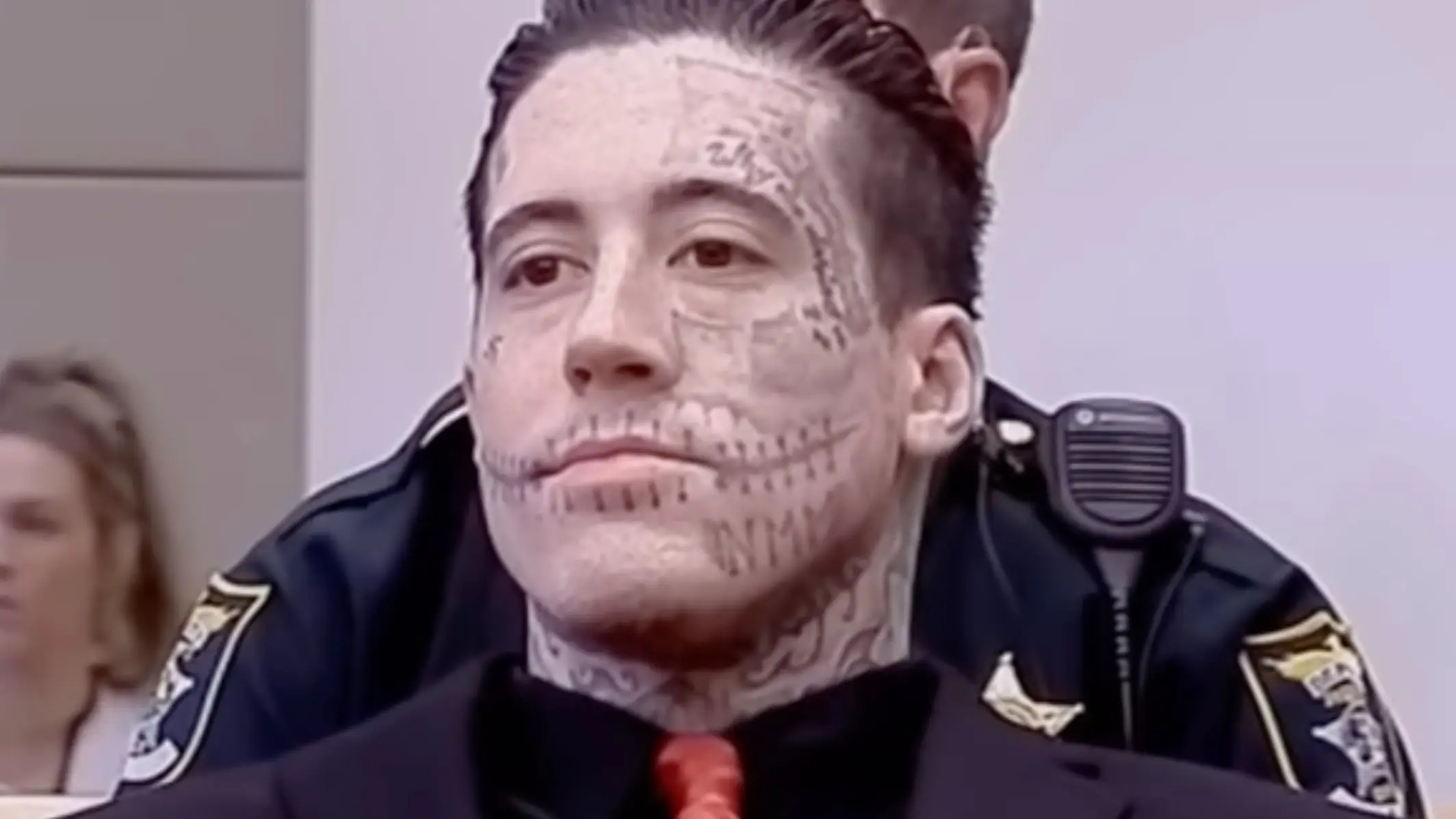
Why women are attracted to 'Deadpool Killer' Wade Wilson despite horrific crimes

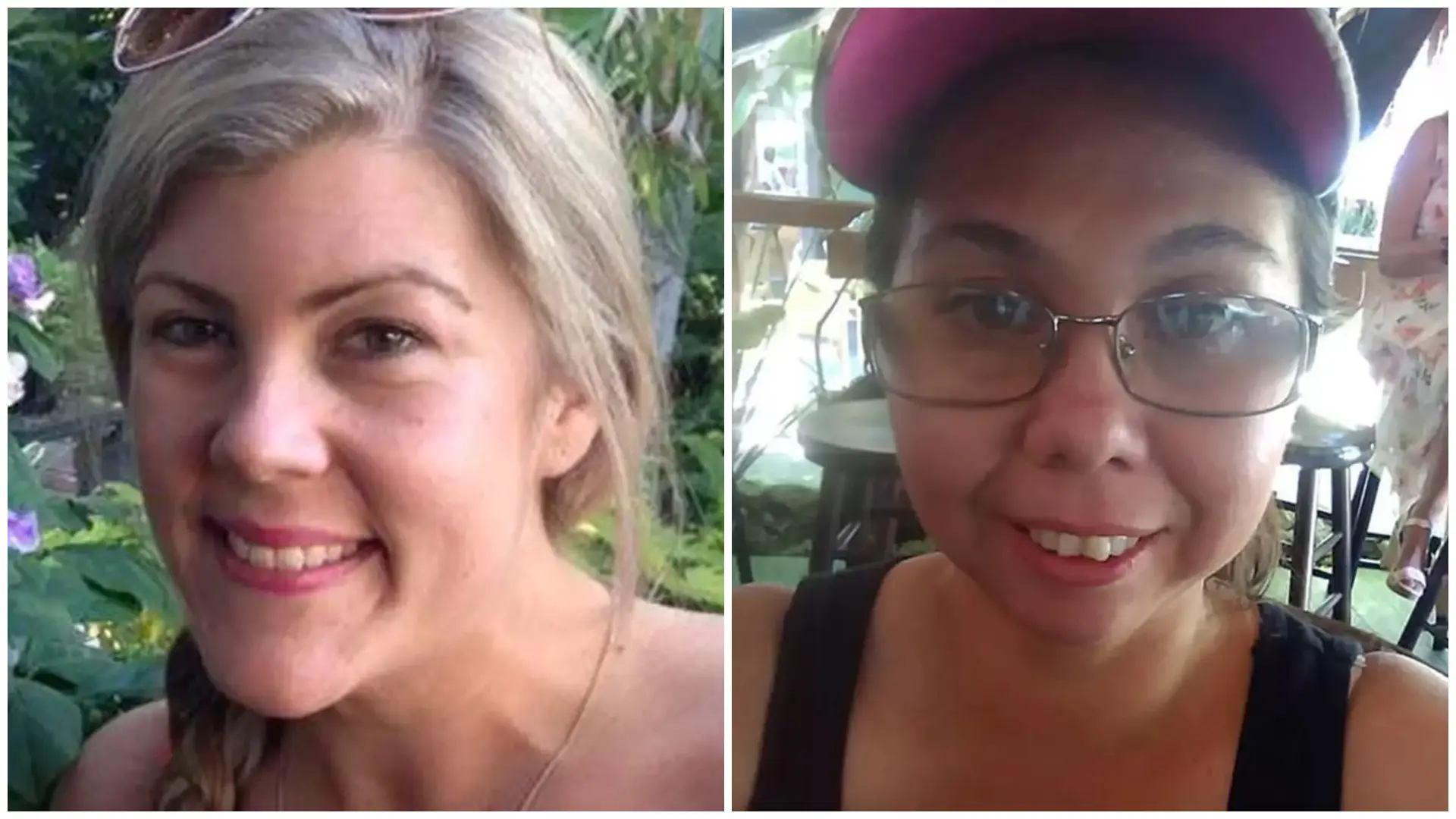
In 2024, Wade Wilson was sentenced to death for the murders of Kristine Melton and Diane Ruiz five years earlier.
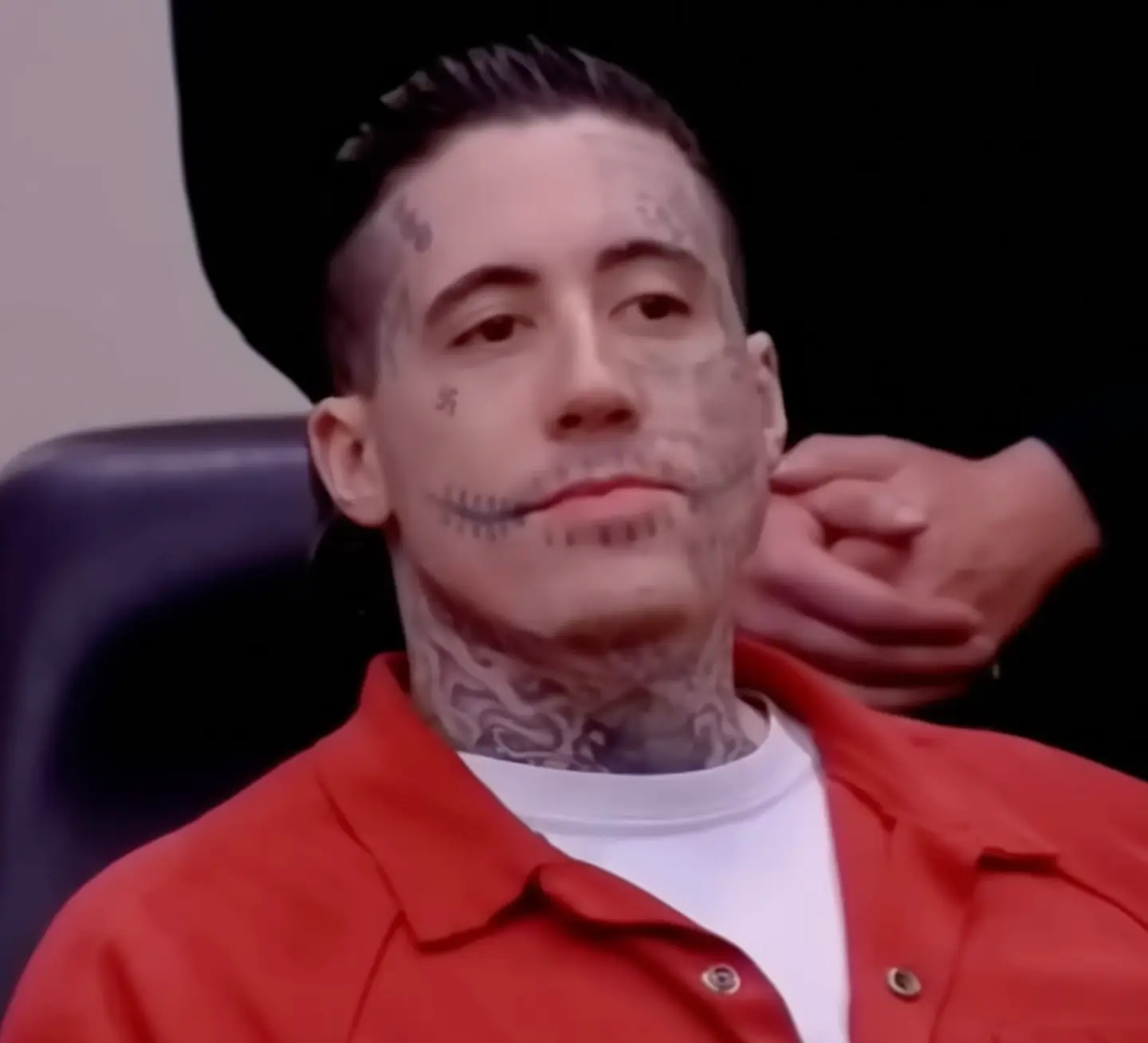
Footage from the courtroom during the harrowing case has since been viewed by millions of people around the world, with Wilson, known as the 'Deadpool Killer', seen watching on as his crimes are read out by the judge.
Two years on, the 31-year-old is still awaiting his execution in Florida, while his legal team appeal the death penalty, reportedly something he had previously asked to be brought to a speedy conclusion.
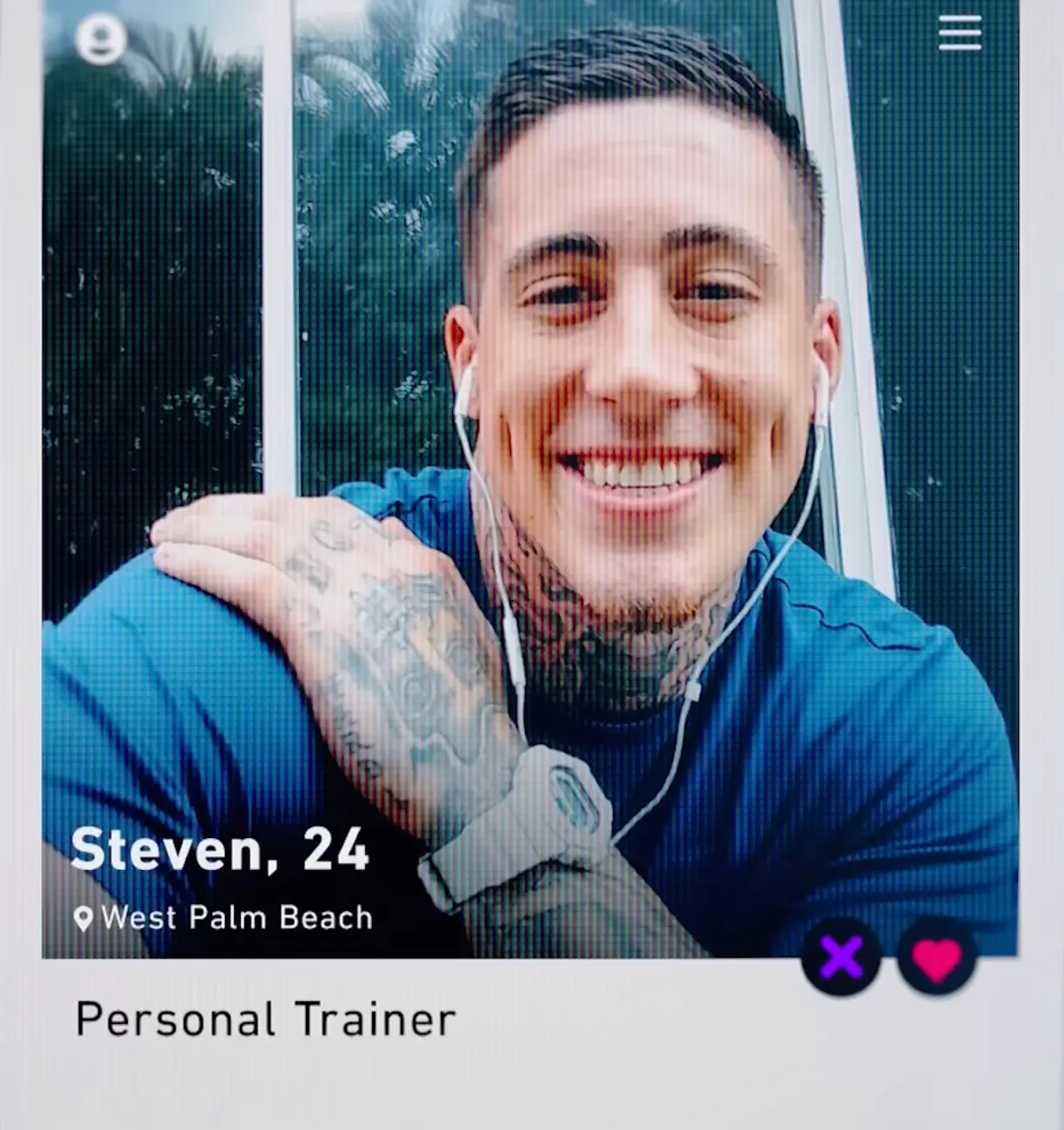
But despite Wilson's horrific crimes - which are delved into in the new Netflix documentary Worst Ex Ever, there are still many women who continue to be infatuated with him, sending him countless letters in what's been branded a 'cult-like' following.
Advert
So, the question is why?
LADbible spoke to hypnotherapist and trauma expert Zoe Clews to discuss exactly why people fall for serial killers who have committed the most heinous of crimes - a phenomenon known as hybristophilia.
Search for a 'bad boy'
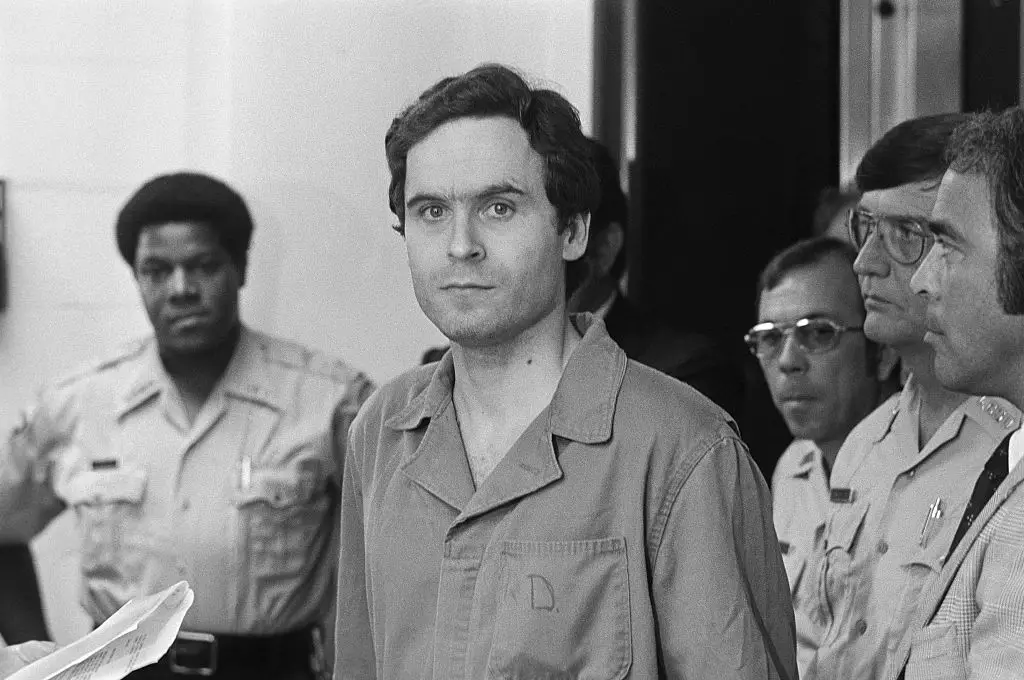
"For some people, dangerous individuals trigger an intense neurochemical response: adrenaline, cortisol, dopamine and fear become tangled up with attraction," she tells us.
"If someone grew up around chaos, unpredictability, emotional neglect, abuse or inconsistency, then intensity can become confused with chemistry.
"As I often say, 'trauma becomes chemistry'. The nervous system learns to associate danger with love, longing or eroticism."
Adding: "Attraction is rarely logical. The subconscious mind is not asking, 'Is this person morally good?' - it is asking, 'Does this feel familiar, exciting, powerful or emotionally charged?'
"There is also the cultural glamorisation of the ' bad boy' archetype. Violent offenders are often portrayed by the media as powerful, dominant, rebellious or hyper-masculine.
"In some cases people project fantasy onto them - they are no longer seeing the reality of the crimes, but an imagined figure carrying themes of danger, protection, rebellion or woundedness."
'Root of the attraction'
It's not simply about carnal desire, though, or a search for that bit of 'danger' in their life.
There are often much deeper psychological issues at play for the women - where it is 'statistically more commonly discussed' - who find themselves drawn to murderers.
According to Zoe, 'sexual surrender is only one layer', a manifestation of something going on below the surface:
- a longing to feel chosen or special by someone emotionally unavailable
- magical thinking - a fantasy of 'he would never hurt me'
- the desire to rescue, heal or reform someone dangerous
- unresolved attachment wounds from childhood
- seeking familiarity through chaos and unpredictability
- craving intensity because calmness feels emotionally flat or unfamiliar
"The psyche often tries to recreate unresolved childhood dynamics in adulthood, hoping this time the ending will be different," Zoe explains.
"So someone may unconsciously pursue dangerous people in an attempt to finally receive love, validation or safety from a person who resembles the emotionally withholding caregiver from childhood.
"For others, the attraction is less about sex and more about identity, fantasy and projection. The criminal becomes symbolic: rebellion, danger, power, protection, excitement, or even fame and notoriety."
Adding: "Social media and true crime culture can amplify this by romanticising offenders and blurring fantasy with reality."
Who is most at risk of developing hybristophilia?
People may be more susceptible if they have:
- histories of childhood trauma or neglect
- insecure attachment styles
- low self-worth or abandonment wounds
- histories of abusive relationships
- high sensation-seeking tendencies
- difficulty distinguishing intensity from intimacy
- strong rescuer or fixer tendencies
- unresolved shame around sexuality or desire
That's not to say anyone and everyone with these kind of past experiences will leap into the arms of a serial killer, but trauma can have a long and lasting impact on a person's development, causing them to seek out danger where others wouldn't.
Zoe says: "Emotionally healthy relationships can initially feel 'boring' to someone whose nervous system has been conditioned to expect volatility and emotional unpredictability.
"Calmness may feel unfamiliar, while danger creates an immediate physiological charge."
Is there a way out?
As with most things, it's about getting the right support.
"The most important thing is approaching it with curiosity rather than shame," Zoe tells us. "Shame tends to drive these attractions further underground and make them more compulsive.
"People need to ask themselves: What emotional need is this fantasy fulfilling? What does danger represent to me psychologically? When did intensity first become linked with love, excitement or safety? What part of me feels drawn to emotionally unavailable or dangerous people?
"For many, working with a trauma-specialist therapist can be incredibly valuable. When people understand why the attraction exists, they can begin separating genuine intimacy from trauma chemistry.
"And often, once the underlying wounds begin to heal, the nervous system no longer mistakes danger for desire."
Topics: Netflix, Documentaries, Crime, True Crime
 Dominic Smithers