Exact weight to qualify for free weight loss jabs as switch to new pill could maintain 80% of fat loss

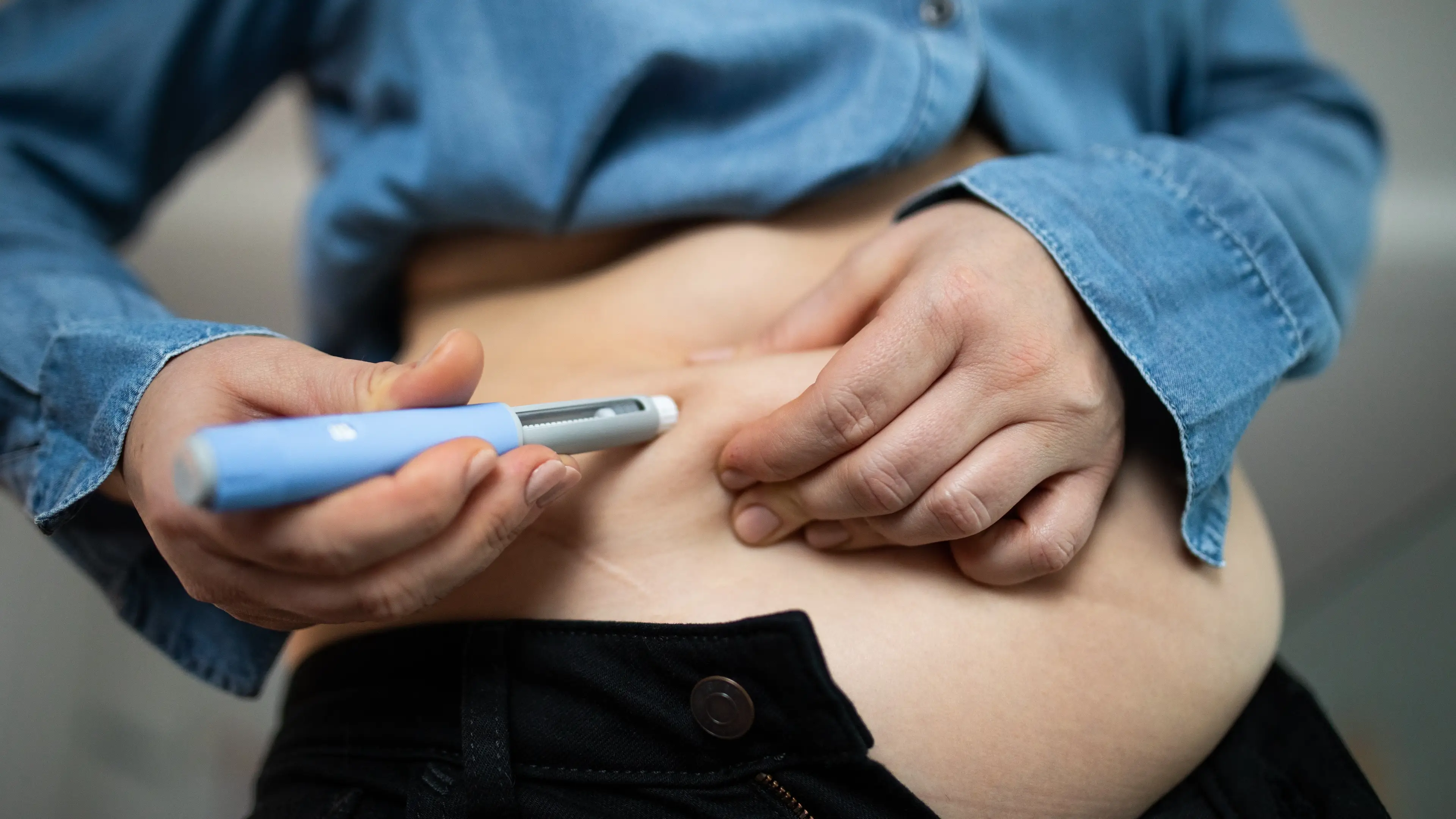
You could qualify for free GLP-1 medication, but there are particular criteria that you have to meet.
GLP-1 drugs were initially licensed for the treatment of diabetes, but one of the effects that they have is to create a feeling of fullness in someone even if they've had less food.
When this is combined with diet and exercise, taking the medication can be a useful extra factor in helping someone to lose weight.
Free GLP-1 medications for weight loss are being rolled out on the NHS, but the health service has laid out certain conditions in order to ensure that the people who need the medication the most are the first to get it.
Advert
This means that there are criteria that prospective patients have to meet in order to be prescribed GLP-1 injections for free, otherwise patients can still pay for a private prescription.
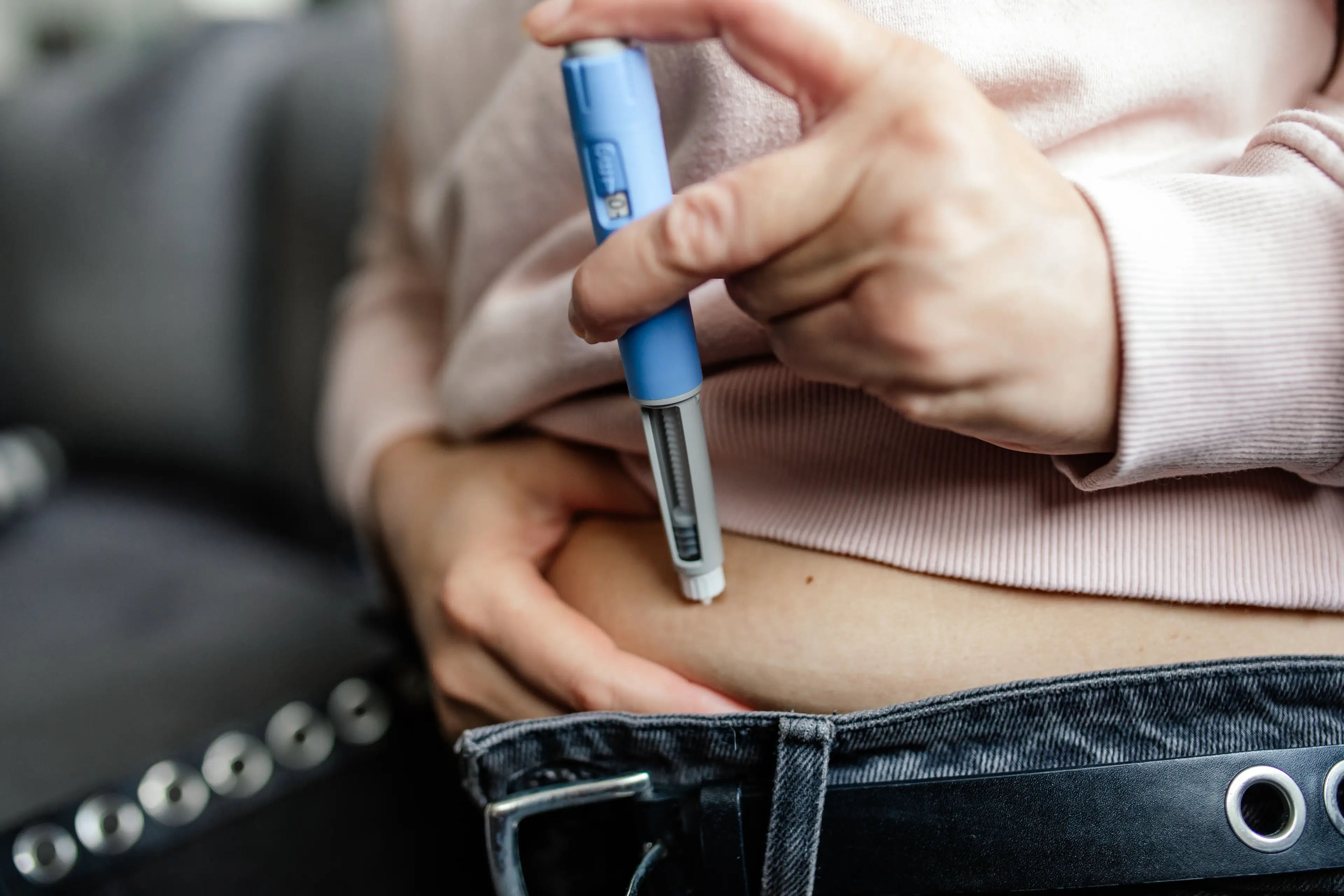
This includes being above a certain weight, or having a certain Body Mass Index.
If you have a BMI of 40 or higher, or 37.5 if you are from an ethnic minority, and have four conditions related to your weight, then you are the highest priority.
A BMI of 40 means that if you are average height you are above a certain weight, but the threshold weight depends on your height and your sex.
For women this is five foot three, and a weight of 102 kilos, and for men it's five foot nine and 123 kilos.
As for those weight-related conditions, these include things like type 2 diabetes, prediabetes, high blood pressure, high cholesterol, heart disease, or obstructive sleep apnea.
A BMI over 30 indicates that someone is 'obese', 25-30 is 'overweight', 18.5-25 is 'normal', and under 18.5 is 'underweight'.
Despite still being commonly used, there is controversy over BMI as an indicator, as used alone it doesn't account for other health factors, or that someone may be heavy because of muscle.
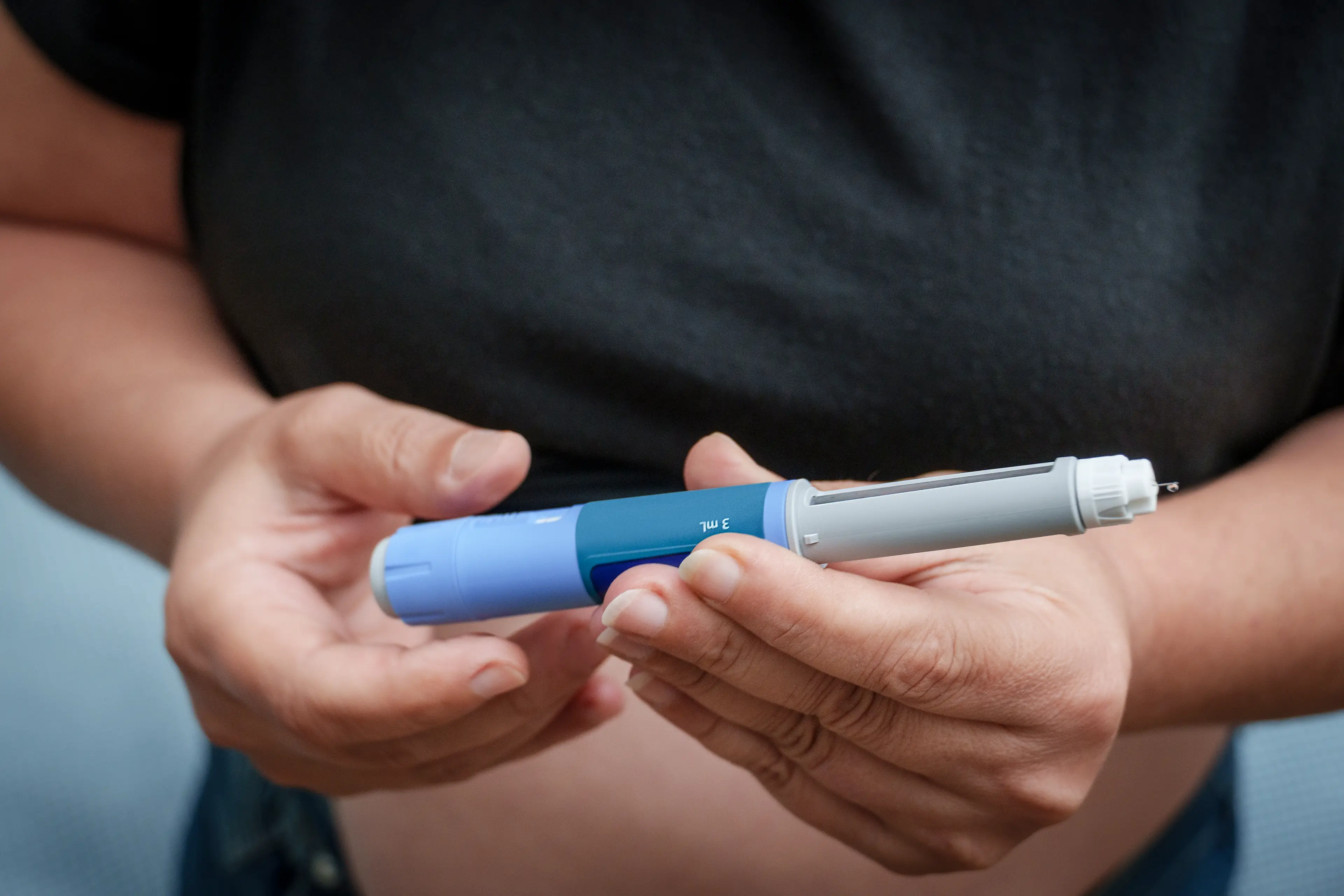
There is still a chance that you could get a prescription if you don't fall into this category, however the NHS is prioritising people who do to ensure the patients with the greatest need get the medication.
Prescriptions of GLP-1 drugs have rocketed over the last few years, from 3,300 in 2023 to a whopping 1.1 million last year.
A new kind of GLP-1 medication is now being tested, and it could change the way that people are approaching the medication.
This is the pill form, which could provide an easier way for patients to take the medication which is less unpleasant to take, as well as being easier to store and transport.
LADBible has approached Novo Nordisk for comment.
 Kit Roberts