WHO warns hantavirus has 40% death rate as race is on to find 82 exposed passengers

The World Health Organisation is trying to track down people who were on a plane with a woman who later died of hantavirus, as they're warning this disease has a 40 percent death rate.
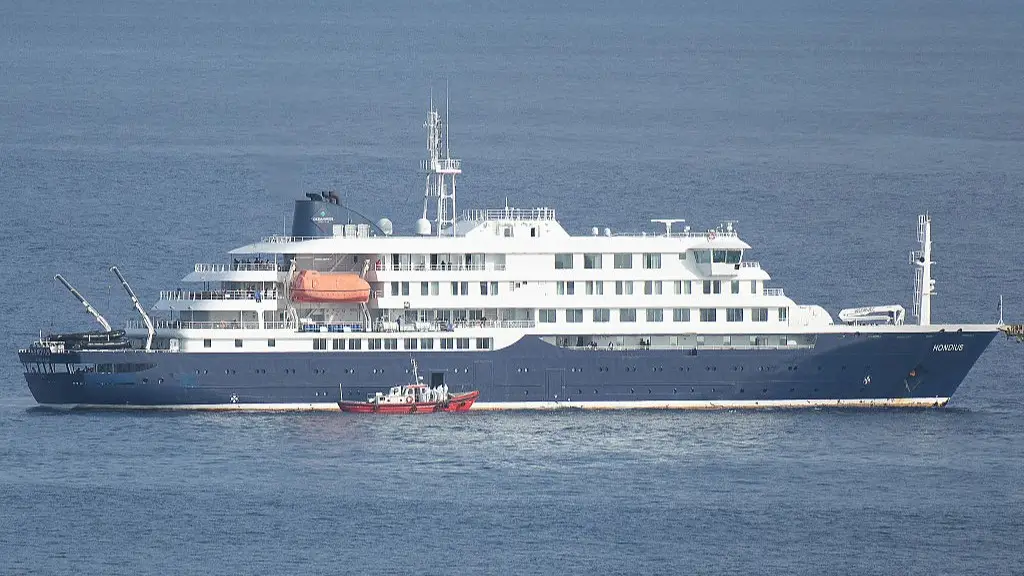
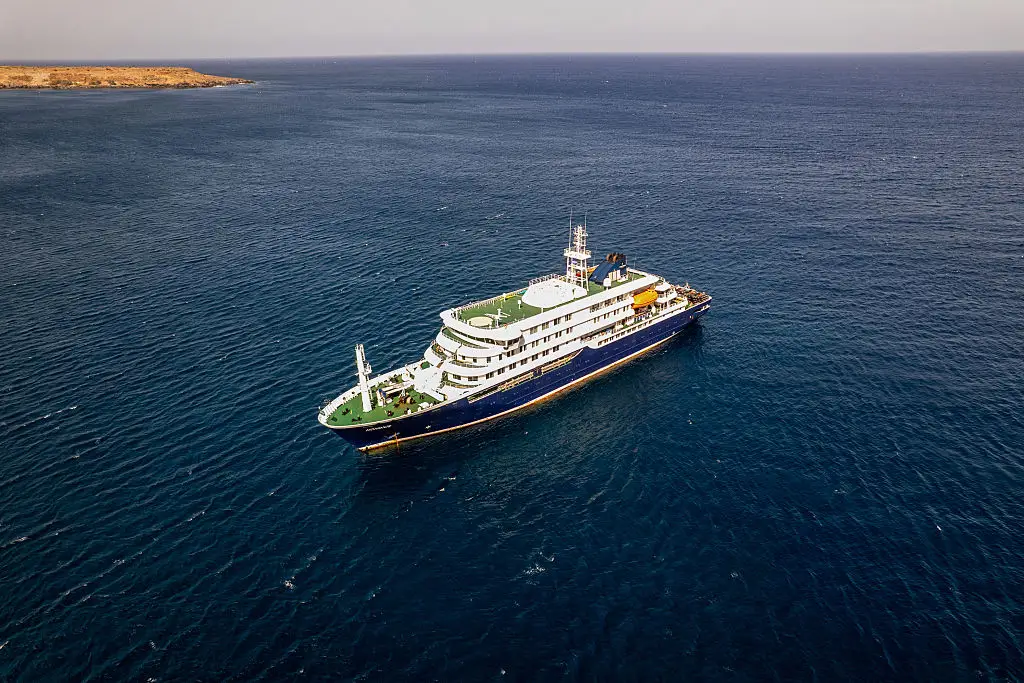
Three passengers have died after they travelled on the Oceanwide Expeditions cruise ship MV Hondius, which had been sailing from Argentina to Cape Verde and carried almost 150 people.
Two passengers, Dutch and German nationals, passed away during the cruise and the Dutch passenger's wife died on her return journey as she accompanied her late husband's remains.
Her husband's body had disembarked the cruise ship on the island of St Helena, and she had 'gastrointestinal symptoms' when she accompanied it ashore on 24 April.
Advert
On a flight the following day to Johannesburg, South Africa, her condition deteriorated and she died the following day after arriving at an emergency department.
The WHO have since said her case was 'subsequently confirmed by PCR with hantavirus infection', and they've said they are now contact tracing passengers on the flight she had been on.
South African carrier Airlink told AFP there had been 82 passengers and six crew on board the aircraft, including the woman who died.
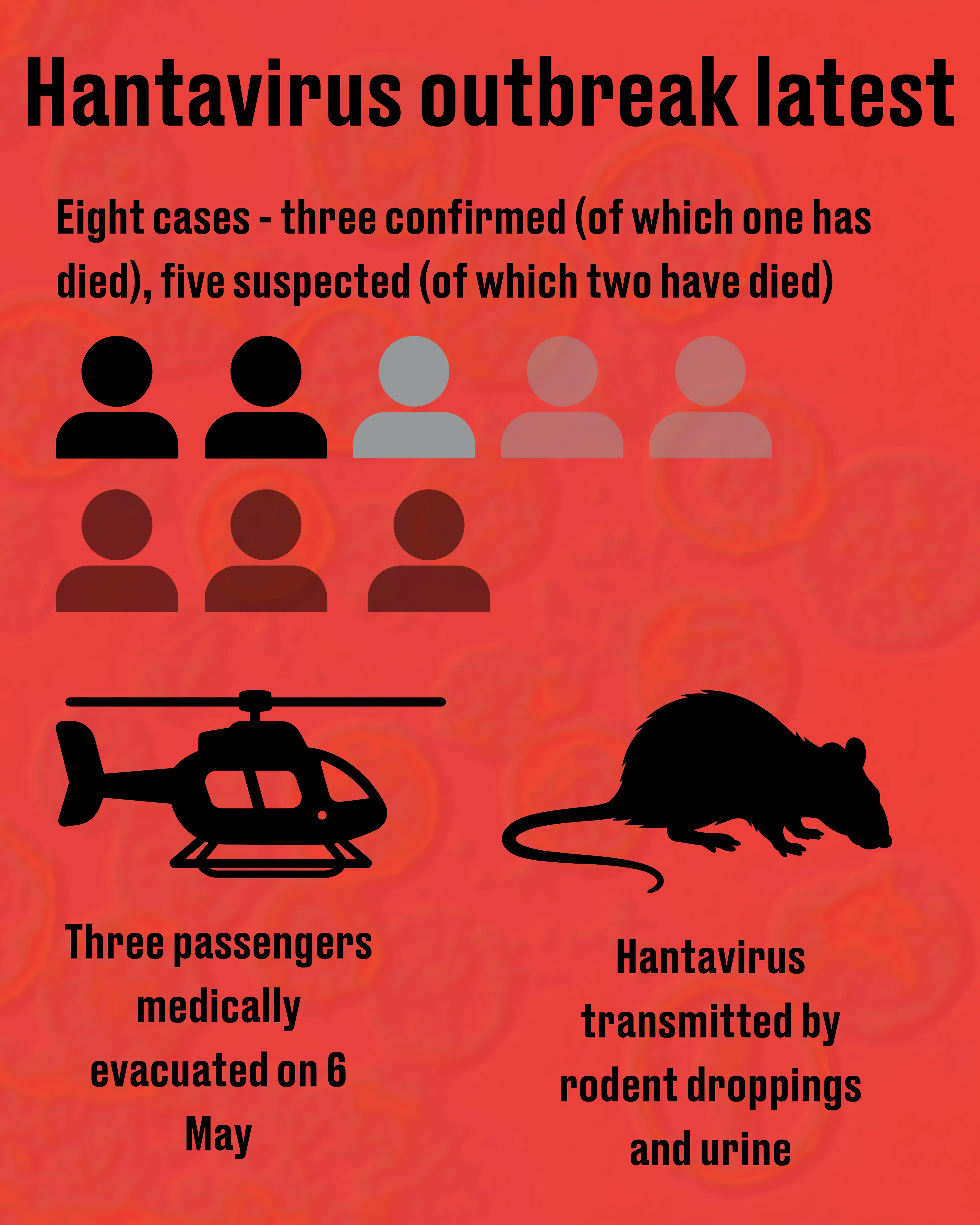
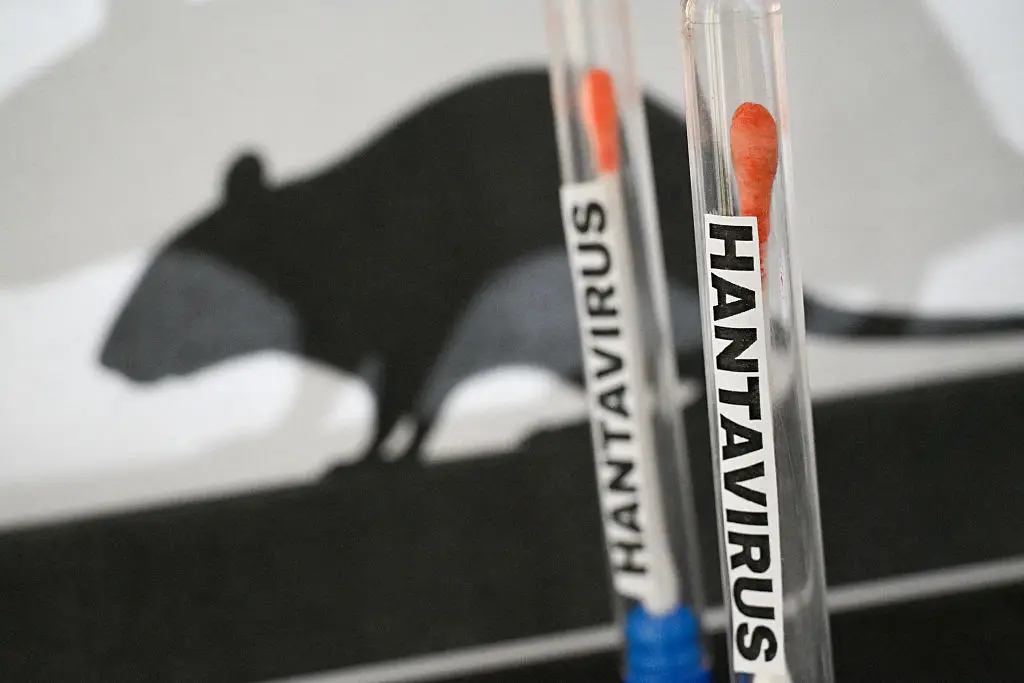
Hantavirus is typically transmitted by rodents, particularly their faeces and urine, but human-to-human transmission is possible, so tracking these people down in case they have also been infected will help prevent an outbreak.
The WHO says symptoms of hantavirus typically start presenting between two and four weeks after infection, though they can show as early as one week and as late as eight.
American strains of the hantavirus typically result in hantavirus cardiopulmonary syndrome (HCPS), which affects the lungs and heart, and the WHO says the death rate in these cases is typically between 20 and 40 percent, though it can reach as high as 50 percent.
In Europe and Asia, the infection often leads to haemorrhagic fever with renal syndrome (HFRS) that affects kidneys and blood vessels.
The death rate for this is between one and 15 percent, according to the WHO.
There have been other cases of hantavirus on board the MV Hondius, as a British passenger was medically evacuated to South Africa and diagnosed with the deadly disease, they are currently in a critical but stable condition.
Two crew members have since come down with 'acute respiratory symptoms'.
As of 6 May, there are eight cases (three confirmed and five suspected), which include the three people who have died.
South Africa’s National Institute for Communicable Diseases (NICD) said that in the case of the British passenger in intensive care and the Dutch woman who died after taking a flight, the Andes strain of hantavirus had been identified, which does have human-to-human transmission even though it is rare.
The two crew members and a passenger connected to the German national who died were today medically evacuated by air to the Netherlands, at which point the cruise ship is expected to continue onwards to the Canary Islands.
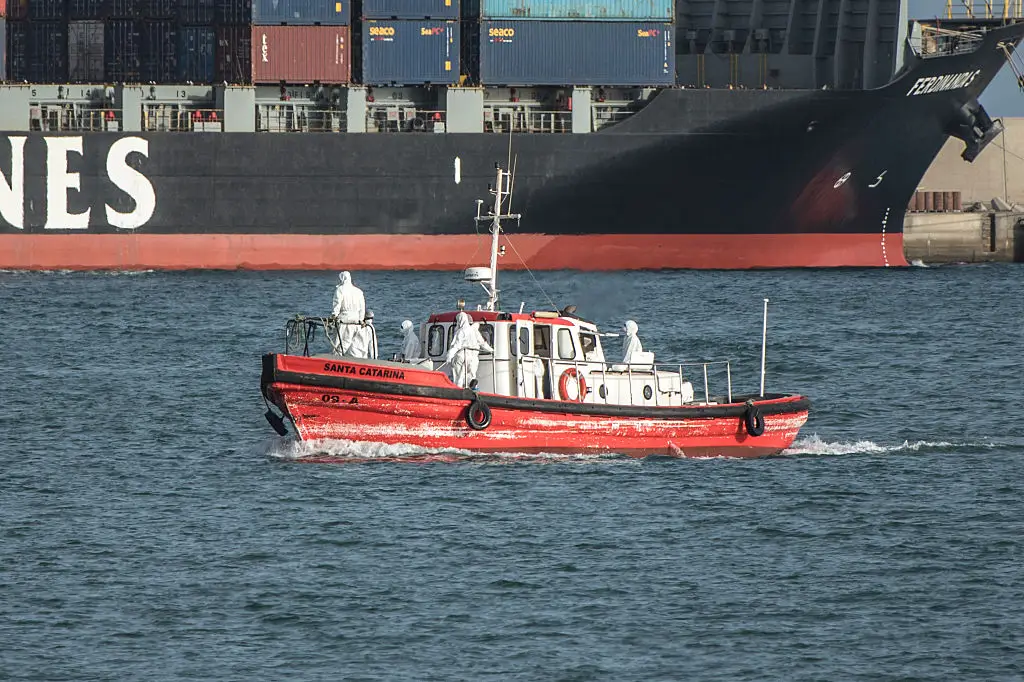
Oceanwide Expeditions said today (6 May) this medical evacuation is 'scheduled to occur this morning', and the WHO later confirmed it had successfully been completed.
The cruise ship operator said: "Following the advice of the RIVM, two infectious disease physicians, currently en route from the Netherlands, will embark MV Hondius and remain with the vessel after its anticipated departure from Cape Verde, provided the three individuals are successfully transferred.
"An additional medical professional is already on board MV Hondius.
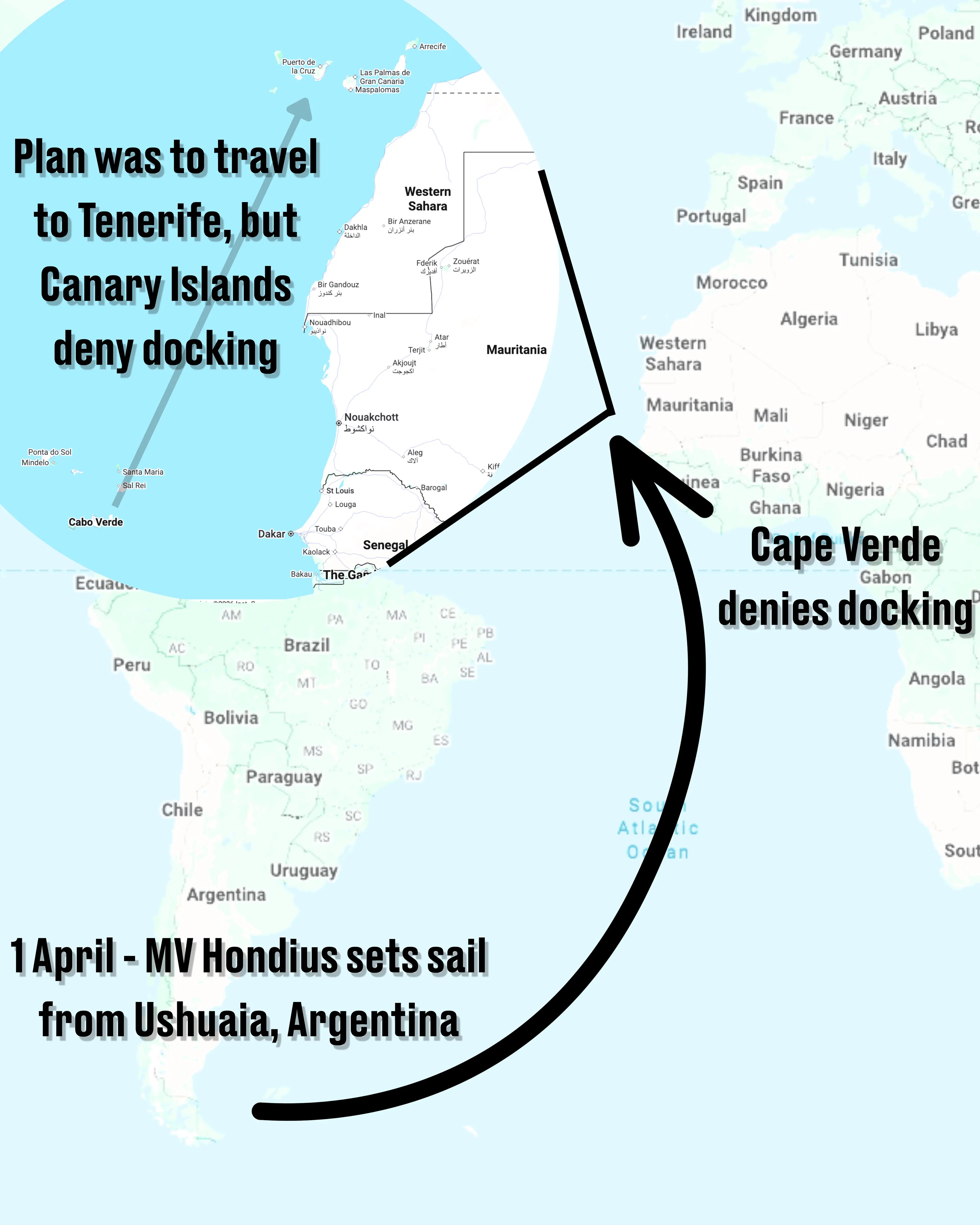
"At this stage, the planned destination for MV Hondius following the successful medical transfer is the Canary Islands.
"Oceanwide Expeditions remains in close and continual discussion with relevant authorities regarding our exact point of arrival, quarantine and screening procedures for all guests, and a precise timeline.
"We are unable to confirm the details of onward travel for guests at this stage. This is dependent on medical advice and the outcome of stringent screening procedures."
However, the President of the Canary Islands, Fernando Clavijo, has declared he 'can not allow' the cruise ship to dock.
The symptoms of hantavirus
Hantavirus can cause two life-threatening syndromes, according to the WHO: hantavirus cardiopulmonary syndrome (HCPS) and haemorrhagic fever with renal syndrome (HFRS).
The early symptoms of HCPS, which attacks the lungs, start one to eight weeks after infection, and include:
- Fatigue
- Fever
- Muscles aches
- Headaches
- Dizziness
- Chills
- Nausea and vomiting
- Diarrhoea
Later symptoms include:
- Coughing
- Shortness of breath
- Tightness in the chest
Early symptoms of HFRS, which affects the kidneys, start one to two weeks after infection, and include:
- Intense headaches
- Back pain
- Abdominal pain
- Fever/chills
- Nausea
- Blurred vision
Later symptoms include:
- Low blood pressure
- Internal bleeding
- Acute kidney failure
Topics: Travel, Cruise Ship, Health
 Joe Harker