AI helped catch woman's cancer as new program could change treatments forever

When it comes to the rapid expansion of artificial intelligence, it's easy to focus on all the negative news.
After all, who wouldn't be concerned about a super-intelligent computer that has the ability to create alarmingly accurate pictures and videos and could replace you at work or even in your relationship one day.
But, there are also signs that AI can be used to benefit humanity, as its creators no doubt first intended, specifically when it comes to the worlds of science and technology.
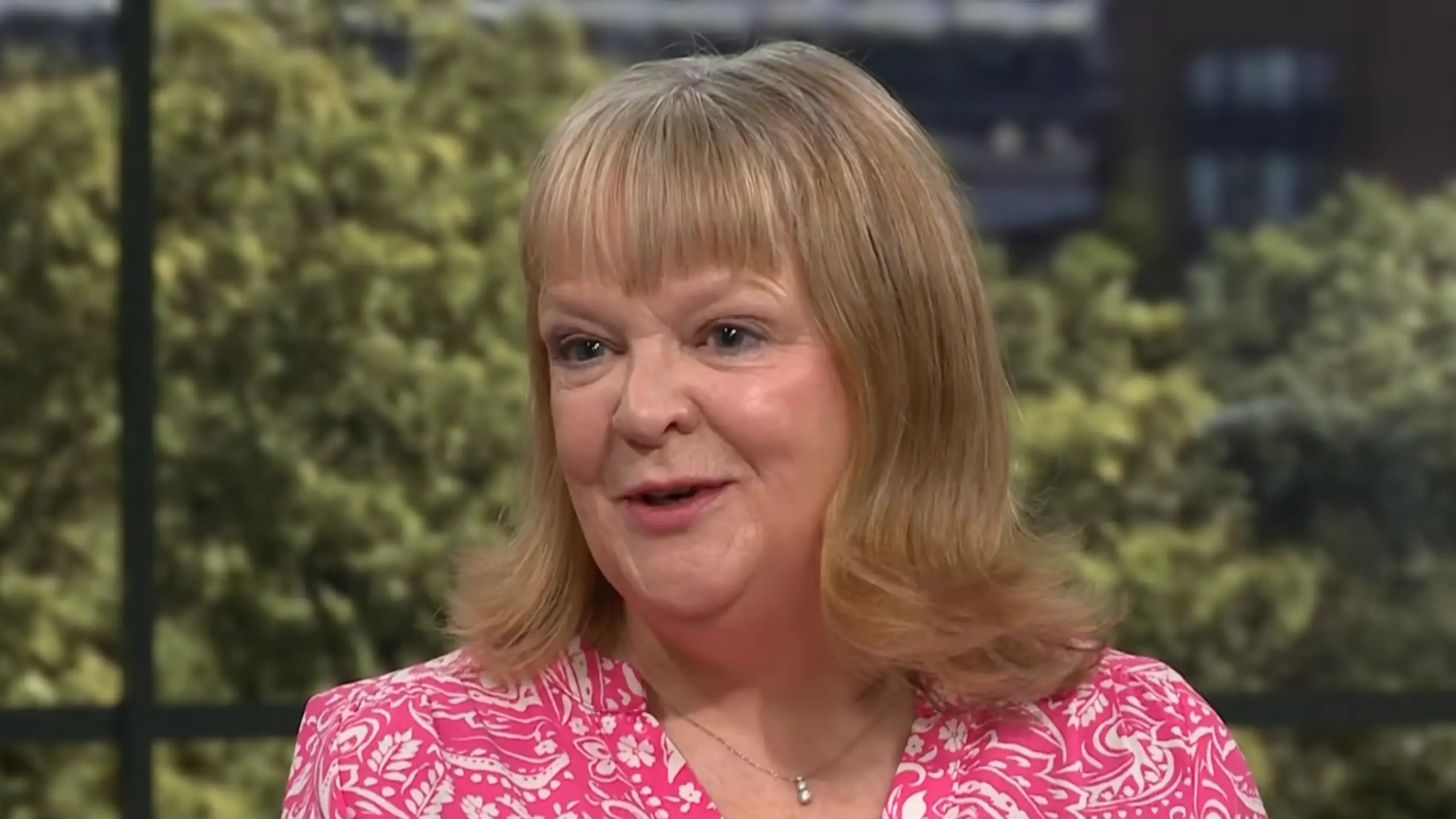
That's certainly the opinion of Yvonne Cook, who appeared on This Morning to share the remarkable story of how an experimental AI system helped to identify her breast cancer early.
How did AI help to catch her breast cancer?
On Thursday (26 March), she said: "I was called for a routine appointment, and there was some information that an AI research programme was running and that I could opt out if I wanted to.
Advert
"When I arrived there was a large posted saying I could opt out, and just to let a member of staff know, but it didn't really occur to me at all to opt out as I think it's always good to take part in medical research programmes if you can.
"I thought, "I've got nothing to lose", and then I received a recall letter, it was quite vague and gentle saying that potentially it could have been difficult to read.
"The appointment was with Dr Gerald and he explained the use of AI in the screening of the mammogram had thrown up something that couldn't be detected by the human eye, and he did a scan and confirmed that I had a small grade two tumour.
'It was a very early stage, and biopsy was taken to confirm the type of cancer.
"Gerald explained it was the AI part that had picked it up, and I just had a really, really positive reaction, I felt very grateful that my mammogram coincided with the period of the research and that AI had picked it up.
"I just felt very lucky, and it was a very positive mindset from the start and I maintained that throughout the treatment."
Dr Gerald, who also appeared on the show, explained that breast cancer detection can be improved by more than 10 per cent with the use of AI, with human doctors and scientists still very much involved in the process.
And it's not the only way in which AI could be changing things for cancer patients, as a new research study has suggested that we may soon be able to track how the disease spreads, which could signal a huge shift in how we treat it.
How can AI track how cancer might spread?
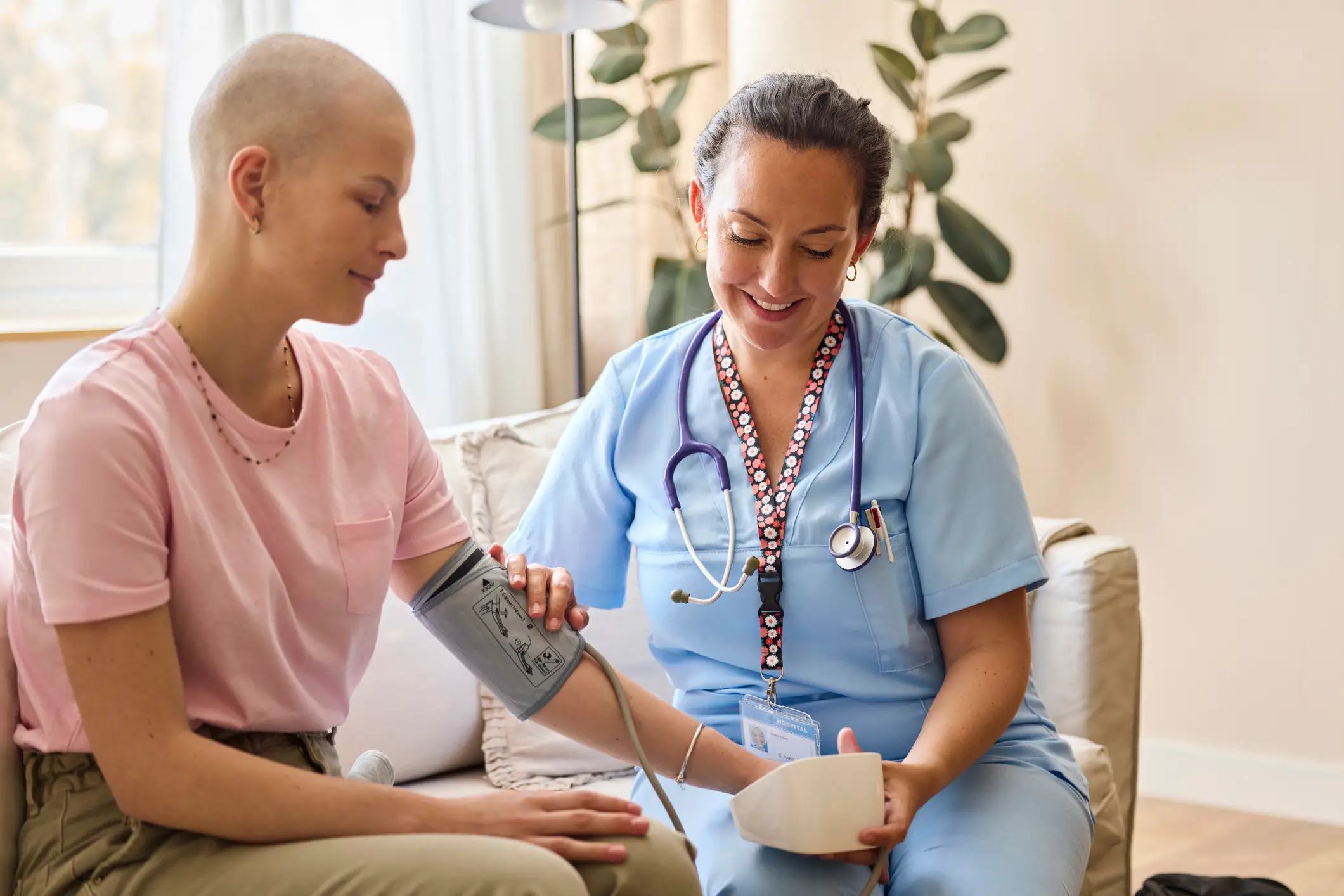
Thanks to recent research from scientists at the University of Geneva, as well as a highly sophisticated AI program, cancer patients may soon be able to receive personalised treatments that can help prevent their illnesses metastasising in other parts of their bodies.
As we saw with the tragic recent passing of Married at First Sight star Mel Schilling, cancers can sometimes form new, secondary tumours in other parts of the body, with tumours in the brain particularly difficult for doctors to deal with.
Ariel Ruiz i Altaba, professor in the Department of Genetic Medicine and Development at the UNIGE Faculty of Medicine and author of the study, wants to study more as to why some cells break away and migrate while others remain in place.
He said: "The challenge is therefore to find the keys to understanding its logic and form. And, in the case of metastases, to identify the characteristics of the cells that will separate from the tumour to create another one elsewhere in the body.
"The difficulty lies in being able to determine the complete molecular identity of a cell - an analysis that destroys it - while observing its function, which requires it to remain alive."
To overcome this, the researchers isolated, cloned, and grew tumour cells in the lab, before analysing the gene signatures from thirty different cell clones.
This helped them determine that metastatic potential, in this case, is not determined by a single cell's profile, and instead by how groups of related cancer cells interact with each other.
Their findings were then imported into a specialised AI program, called Mangrove Gene Signatures (MangroveGS), which was able to predict metastasis and colon cancer recurrence with nearly 80 per cent accuracy after undergoing training.
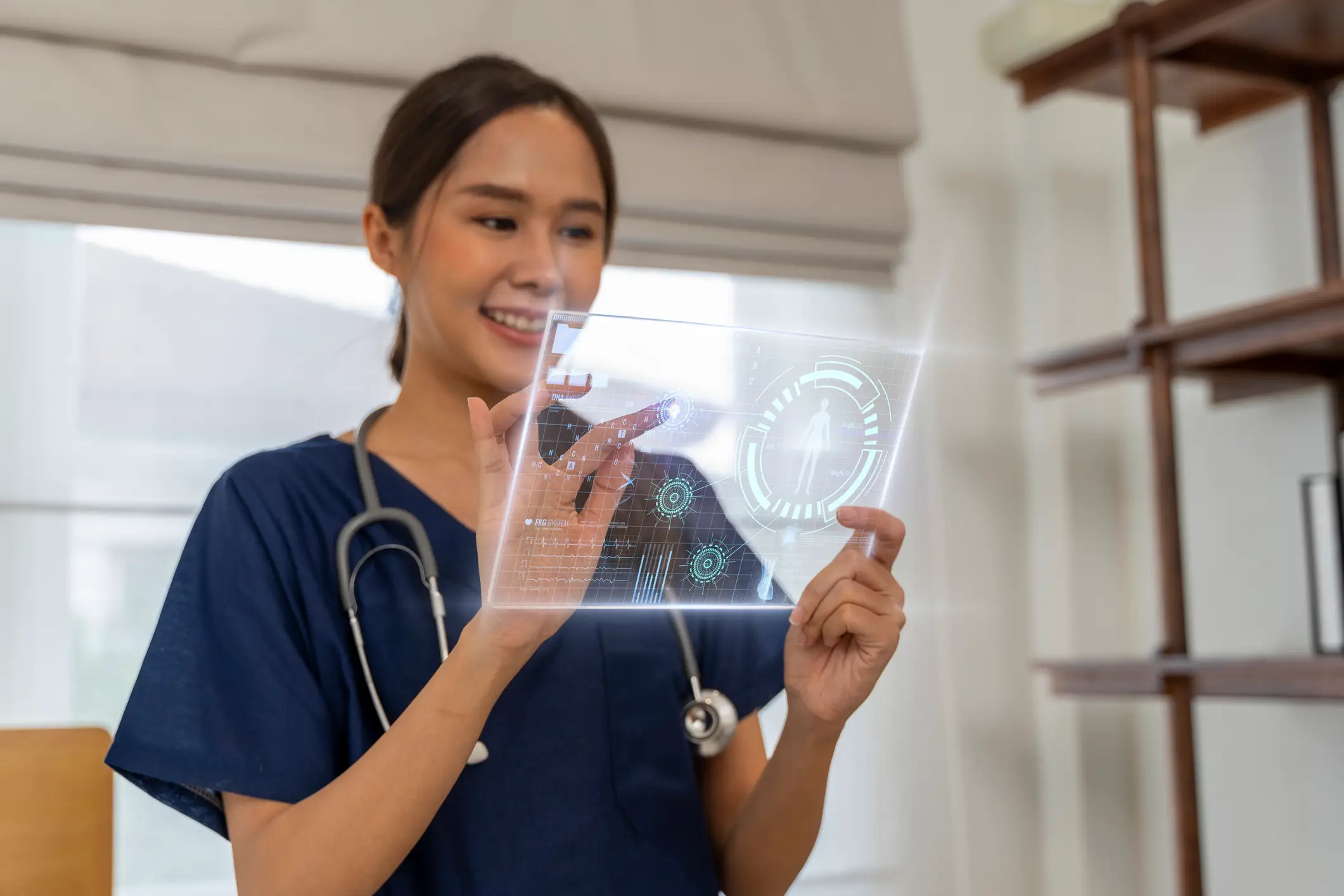
It is hoped that the program could soon work with doctors in hospitals, providing a metastasis risk score which can be shared with health professionals and patients, and thus helping to determine the strength of the treatment they receive, since chemotherapy and radiotherapy treatments are effectively poisoning the body to kill cancer cells.
Professor Altaba added: "This information will prevent the over-treatment of low-risk patients, thereby limiting side effects and unnecessary costs, while intensifying the monitoring and treatment of those at high risk.
"It also offers the possibility of optimising the selection of participants in clinical trials, reducing the number of volunteers required, increasing the statistical power of studies, and providing therapeutic benefits to the patients who need it most."
So, maybe AI isn't all that bad after all.
Topics: AI, Artificial Intelligence, Cancer, Health, Technology, Science
 James Moorhouse