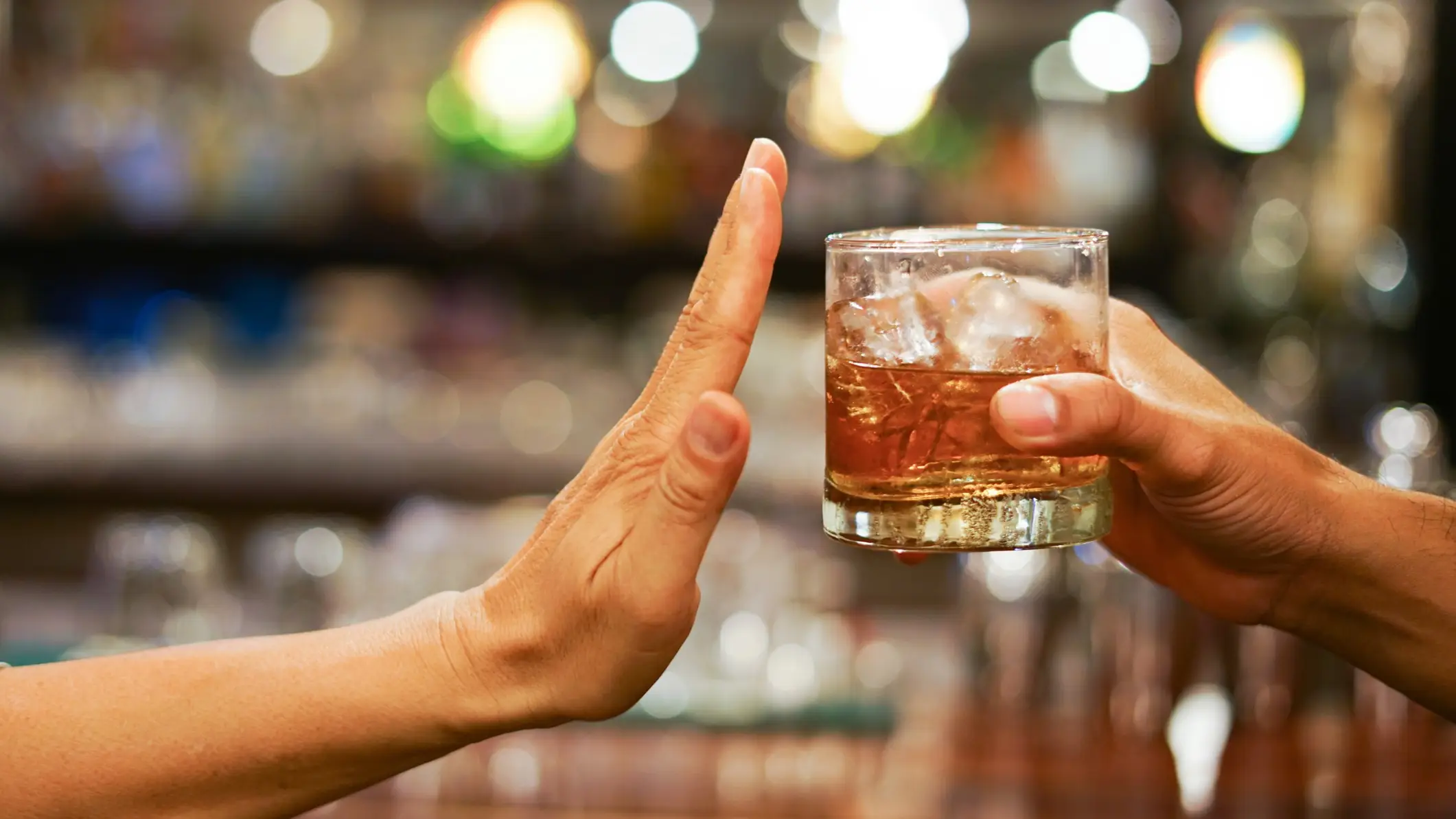
What happens to your body 90 days after staying alcohol free

A man who has been sober for over 1,400 days explained what he experienced when he reached the 90 day mark of sobriety and what impact it has on your body and mind.
Clark Kegley said he'd stopped drinking not because he'd reached any sort of 'rock bottom' but because he was struck by a 'moment of clarity' where he wondered 'do I want to keep doing this when I'm 50?' and realised he did not.
He started by quitting for 30 days but has since been on a run of being sober for over 1,400 days, and spoke about what happened to his body as he hit the various milestones.
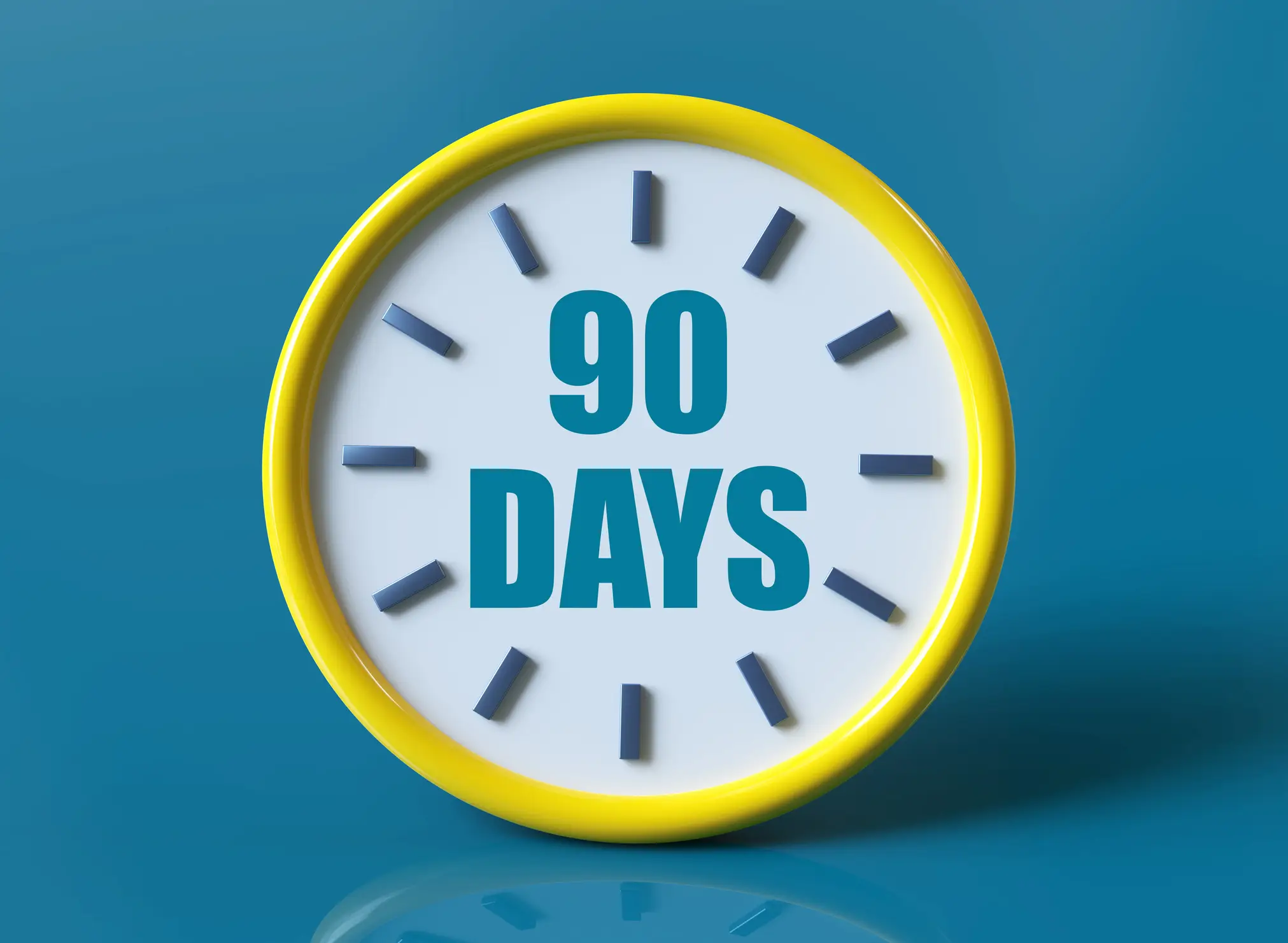
If you'd quit drinking at the start of the year for Dry January then today (31 March) would mark 90 days without alcohol, and Kegley said this is the point 'where things start to turn around a little bit'.
Advert
For him it's the moment he 'really noticed changes in my mood, my creativity and my mental function'.
He'd explained that in the first 48 hours since ditching his drink he felt 'terrible' and had to keep reminding himself 'not being hungover feels better than being drunk'.
A week in and he was getting cravings for salty and sugary foods, and had to catch himself from casually drinking as it had become part of his routine.
30 days in and he saw a big boost to his sleep, while 60 days in he realised he was feeling incredibly bored as he realised how much time in his life drinking had consumed.
By 90 days in he was free of something called 'the fog', a feeling he compared to the switch between a 'pre-coffee and post-coffee state' where he felt a lot better.
"It takes around 90 days for your brain chemistry to rebalance," Kegley said of how getting three months into sobriety had a major effect as he warned people of a 'trap' in the time running up to this milestone.
He warned that as you approached 90 days off alcohol you might 'feel more anxious and stressed even when you're sober', which could lead to drinking to be relaxed.
However, this was the 'trap' as you'd end up with a 'higher cortisol level baseline' so your stress hormones would be up.
He said: "So, you feel more anxious and stressed. So, you drink again and it just becomes this flywheel of where now you know you're really just anxious all the time."
Kegley explained he'd 'had some version of that' and got 'hangxiety', but in his experience 'day 90 is a huge marker for all of that going away'.
According to Monument, as well as better sleep and better focus you'd also be likely to lose weight due to dropping the calorie intake you'd get from drinking alcohol, while your blood pressure is also likely to have dropped over this time.
This'll reduce your risk of heart disease, while you can also expect to have more energy to lead a healthier lifestyle.
Topics: Alcohol, Mental Health, Health
 Joe Harker