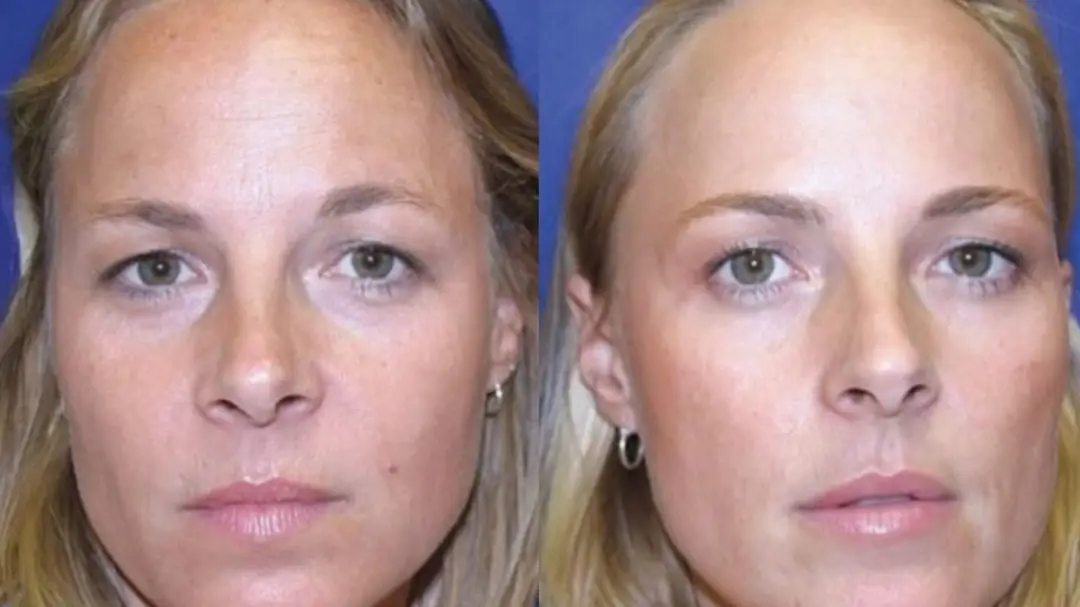
All changes that happened to identical twins when one used Botox for 20 years and other didn’t

There's loads of great things about being an identical twin - including the fact that they are the perfect candidates to show the rest of us how making different choices can shape your appearance over time.
These two sisters did exactly that when one of them regularly got Botox injections over the course of 20 years, while the other went without.
After two decades of abiding by different beauty regimes, the differences between the duo were drastic - so, let's dig into the contrasts between them.
Back in 2006, Dr William Binder published the results of a study he conducted into the long-term effects of Botox on facial lines, which became evident when he compared the faces of the identical twins.
Advert
One of the women received injections in the forehead, glabellar region and to target 'crow's feet' (fine lines which develop in the outer corners of the eyes) two to three times a year for 13 years.
The other twin had only received Botox twice, three and seven years before the photos were taken.
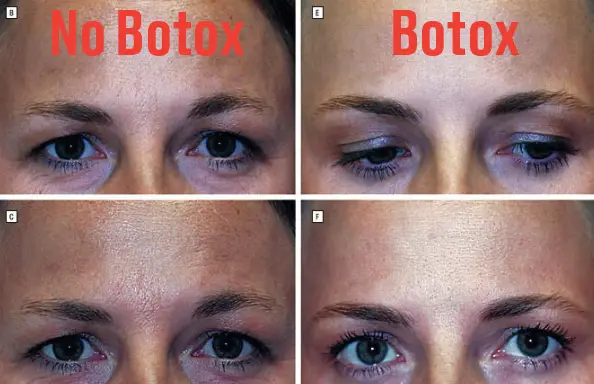
So, after more than a decade of following this practice, there were visible differences between the twins.
Although the effects of Botox - which is a prescription drug known as botulinum toxin - are temporary, regular top ups can supposedly help people from deep wrinkles forming in their skin.
Dermatologist and surgeon Dendy Engelman told Vogue in January: "[It’s] a cross between prevention and rejuvenation. The idea is to start early to preemptively before visible lines form.
"I recommend beginning Botox injections when I see dynamic wrinkles or the skin beginning to crease and form small lines. [This is all] to avoid the formation of deeper lines."
Because of this, the forehead lines for the twin brimming with Botox were 'not evident', and the same went for the wrinkles in her glabellar region.
"Crow's feet were less noticeable when the regularly treated twin smiled," Dr Binder said.
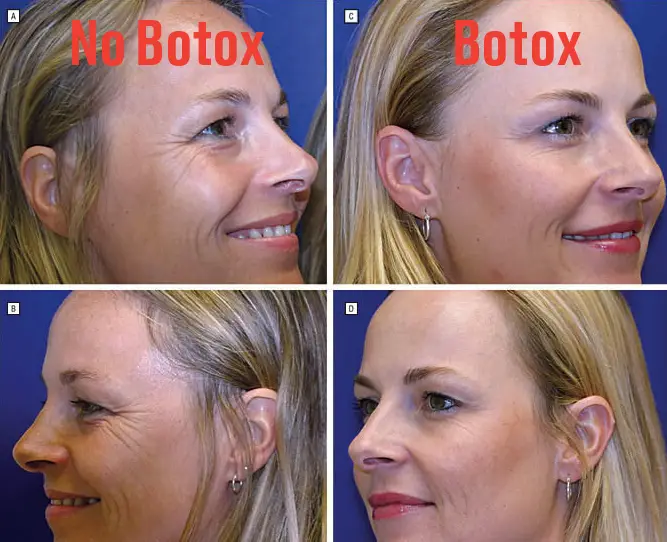
It was the opposite for the untreated twin though, according to the medic, as the signs of her aging hadn't been banished by Botox.
According to the study, areas of both the twins faces which had been untreated 'showed comparable aging in both twins'.
All in all, the research concluded: "Long-term treatment with Botox can prevent the development of imprinted facial lines that are visible at rest. Botox treatment can also reduce crow's feet.
"Treatment is well tolerated, with no adverse events reported during 13 years of regular treatment in this study."
Essentially, the outcome of this study suggests that Botox does exactly what it says on the tin - so temporarily paralysing your muscles to reduce the appearance of facial wrinkles isn't some kind of con after all.
Other experts, such as practitioners at Roberts McCarron Skin Clinic, have concurred too.
Discussing the evident difference between the two twins, the clinic said that the 'results speak for themselves'.
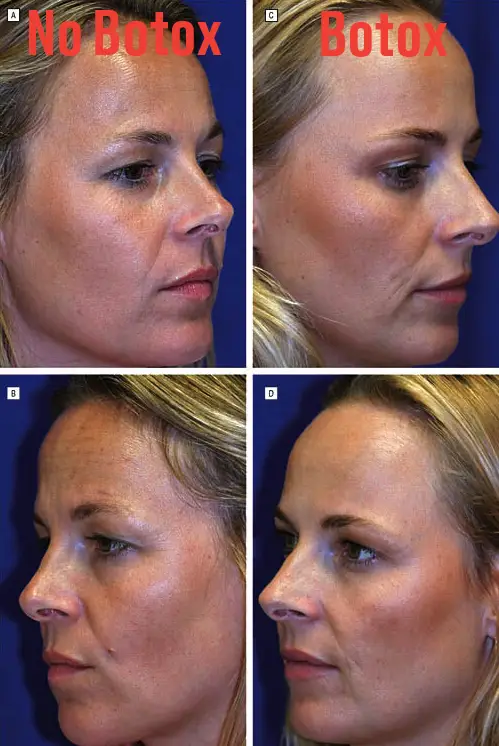
"The twin on the left has clearly visible static lines, the lines that show when your face is at rest," it states. "The twin on the right has much smoother, more youthful skin.
"The lines on your face can be one of two types. Active lines form as you move the muscles on your face and disappear when your face is at rest.
"With repeated use of the same muscles to form the same expression over a number of years active lines become static lines."
The experts at the clinic pointed out that the 'effect of Botox on active lines' became particularly prevalent when the twins each smiled.
"Botox is obviously highly effective on active lines because it relaxes the muscles that cause them," it said. "It becomes clear that Botox has a longer-term effect on the formation of active lines."
The Botox twin had last been jabbed four months before the result pictures were taken, which the skin specialists said demonstrated the 'longer-term effect on the formation of active lines' that Botox can have.
It added: "The Botox should have worn off at this point but her active lines are still significantly less apparent than her twin's."
 Olivia Burke