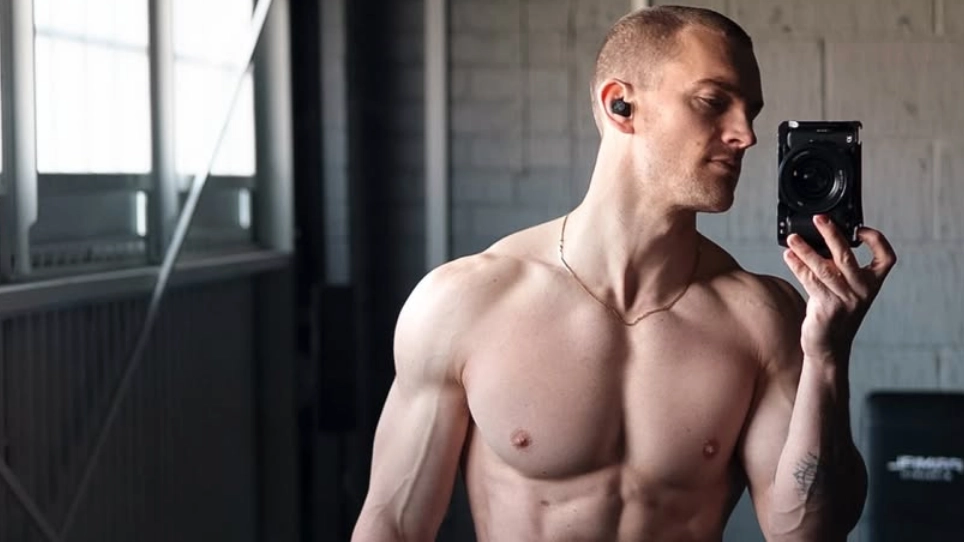
Man does budget version of Bryan Johnson's $2 million biohacking plan for 30p

Biohacking has become synonymous with having a lot of money and a lot of time to try out extensive health routines.
Multimillionaire Bryan Johnson has become the face of it all by spending two million dollars a year to slow down ageing with a five-hour-a-day routine.
But in a new YouTube video, fitness influencer Joe Delaney has set out to discover whether ordinary people can achieve the same benefits without the hefty price tag.
The British content creator took five well-known biohacking practices and put them up against cheaper alternatives that may offer similar results.
Advert
"Step one, identify so-called hack. Step two, find claimed benefits and compare against benefits supported by actual research. Step three, select those benefits that do hold up to scrutiny and see if there's a cheaper way to achieve them. Almost always there is a cheaper way," he explained.
Ice bath

Cold water immersion is one of the most popular trends you'll see floating around TikTok, yet it's often associated with expensive tubs and specialist equipment.
Instead, Delaney insists you can just run your own ice bath for 30p.
"The thing about an ice bath is it's ice and a bath," he said.
"This ice cost me nothing. I made it in the freezer. Not exactly nothing because I paid for the water and the freezer. Filling the bath up cost me roughly 30p. And that is cold enough to get the majority of the benefits."
However, he warns that the scientific evidence behind some of the supposed benefits remain limited.
"Bad news is cold water immersion is kind of overhyped. The claimed benefits are extensive, but most don't show up in the research," he said.
Block blue
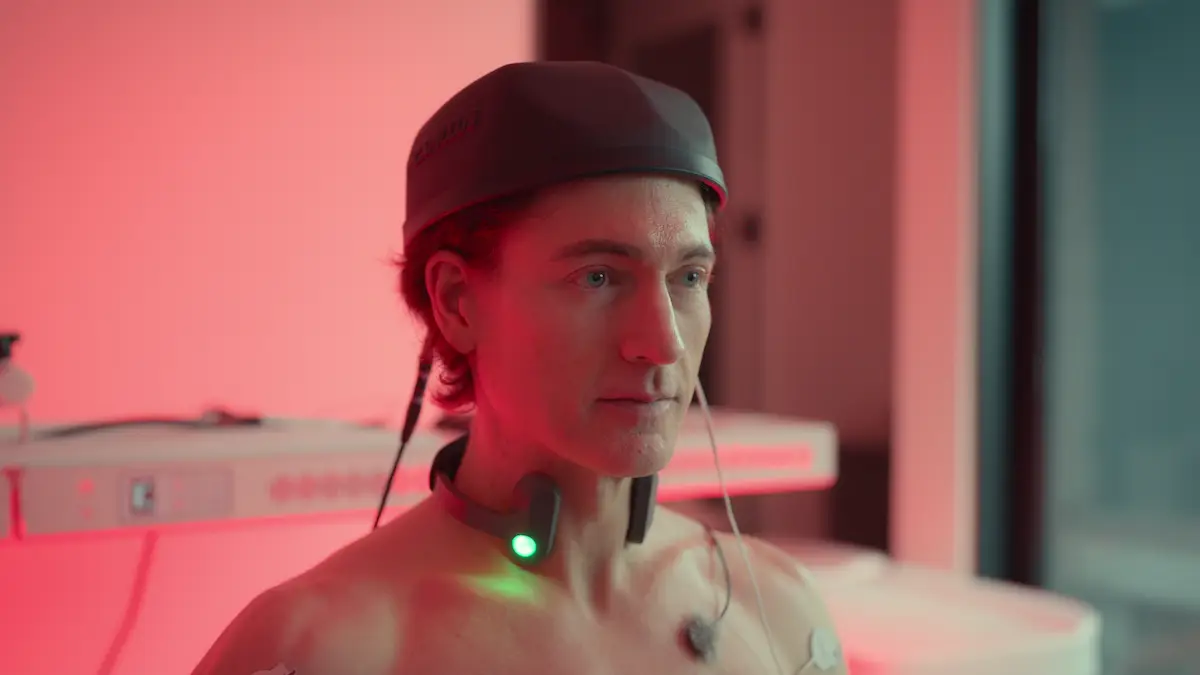
Another commonly recommended biohacking strategy is reducing exposure to blue light before bed to improve sleep quality. Delaney argues the simplest solution costs nothing at all.
"The best way to block 100 percent of the blue light from your screens is of course to turn them off, which is free," he points out, adding that the bigger issue is often how people use their phones rather than the light itself.
"Blue light can disrupt sleep, but the levels you get from your phone are far less impactful than what you're actually doing on it," Delaney said.
Blue light blocking glasses
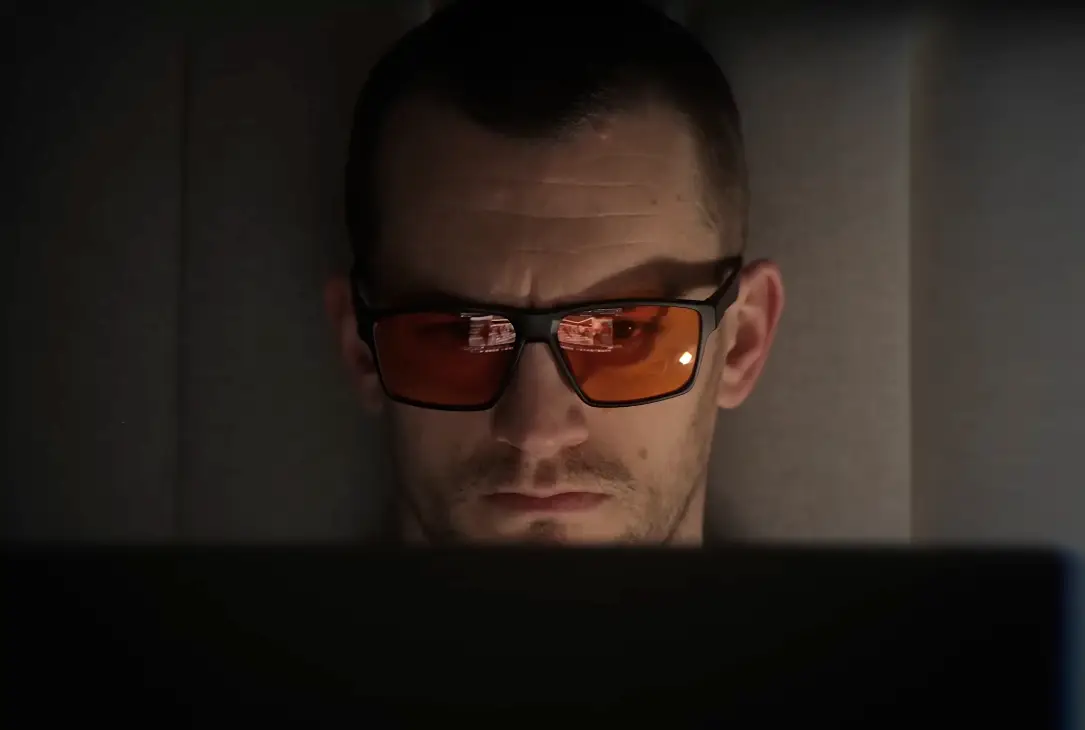
Blue light blocking glasses have become a popular product among wellness influencers, sometimes costing well over £100. Delaney believes they highlight what he sees as excessive commercialisation of health advice.
"So, if you have been looking for a way to satisfy your innate desire for frugality whilst also avoiding looking like a huge dork, might I suggest not buying Andrew Hubman's $180 blue light blocking glasses," he said.
He argues that many such products promise more than the research supports.
"Just one example in a sea of products that exemplify peak over-commercialization of science."
Red light therapy
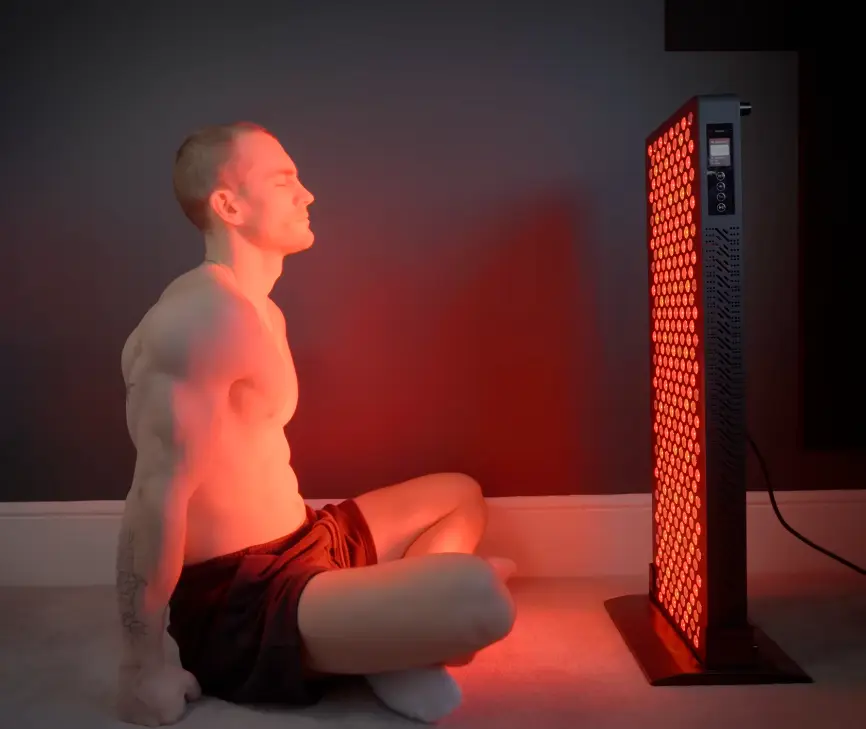
Red light therapy panels are another staple of the biohacking world, often marketed for recovery, skin health and pain relief. Delaney says the research behind them is more convincing than some other trends.
"When my wife spent hundreds of pounds on this, my reaction was, 'But I don't go into battle without ammunition'. So, I did some research and wow, fair enough. The benefits of red light therapy are actually pretty wild," he said.
Although he does note that the benefits tend to be specific and require consistent use.
"Red light is actually a really expensive and time-consuming way to just vaguely aim for generalized benefits."
Sleep tracking
Sleep trackers have also become a common tool in biohacking routines, promising detailed insights into recovery and rest. Delaney acknowledges they can provide accurate data. But he says data alone may not lead to better sleep.
"Sleep trackers are the most accurate way to track your sleep metrics," he said.
"If we're focusing solely on the outcome of better sleep, they are not more effective and sometimes less effective than simply keeping a sleep diary."
Overall, Delaney believes that many of the most meaningful health improvements come from simple, inexpensive habits rather than overpriced optimisation tools.
"So if you are somebody like me, not interested in the spectacle and solely interested in the results, you just have to approach with a bit of skepticism and bear in mind how tenuous that relationship is between hype and efficacy," he said.
Topics: Health, Bryan Johnson, YouTube
 Anish Vij