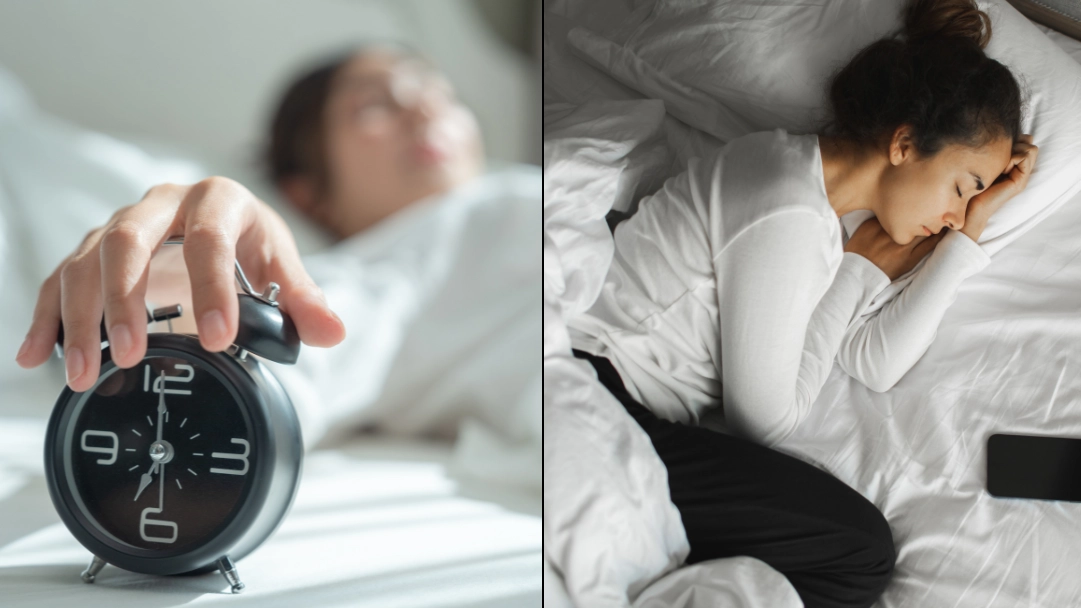
Sleep therapist says there are nine things that you should always do after the clocks change

By now, I think everyone knows how important it is to get a good night's sleep.
If you're not getting enough hours (between seven and nine) it can affect your mood, your health and even your relationships throughout the day.
And when the clocks move forward, as they did at 1am on Sunday (March 31), we lose an hour of sleep in exchange for more daylight.
Advert
While that may sound like a good deal, it can mess up your sleeping patterns and cause more restless sleep.
Dr. Lindsay Browning, a member of the British Sleep Society, knows just how impactful it can be and has given us nine simple ways to help us get some decent shut-eye, as reported by i news.
Going to bed earlier
The associate fellow of the British Psychological Society suggests to 'go to bed one hour earlier than your usual wake up time'.
She explains how this 'will mean you fall asleep and wake up at a time your body is used to without losing an hour’s sleep'.
Even 20 minutes earlier will help, Dr. Browning claims.

Adjust the clock before bed
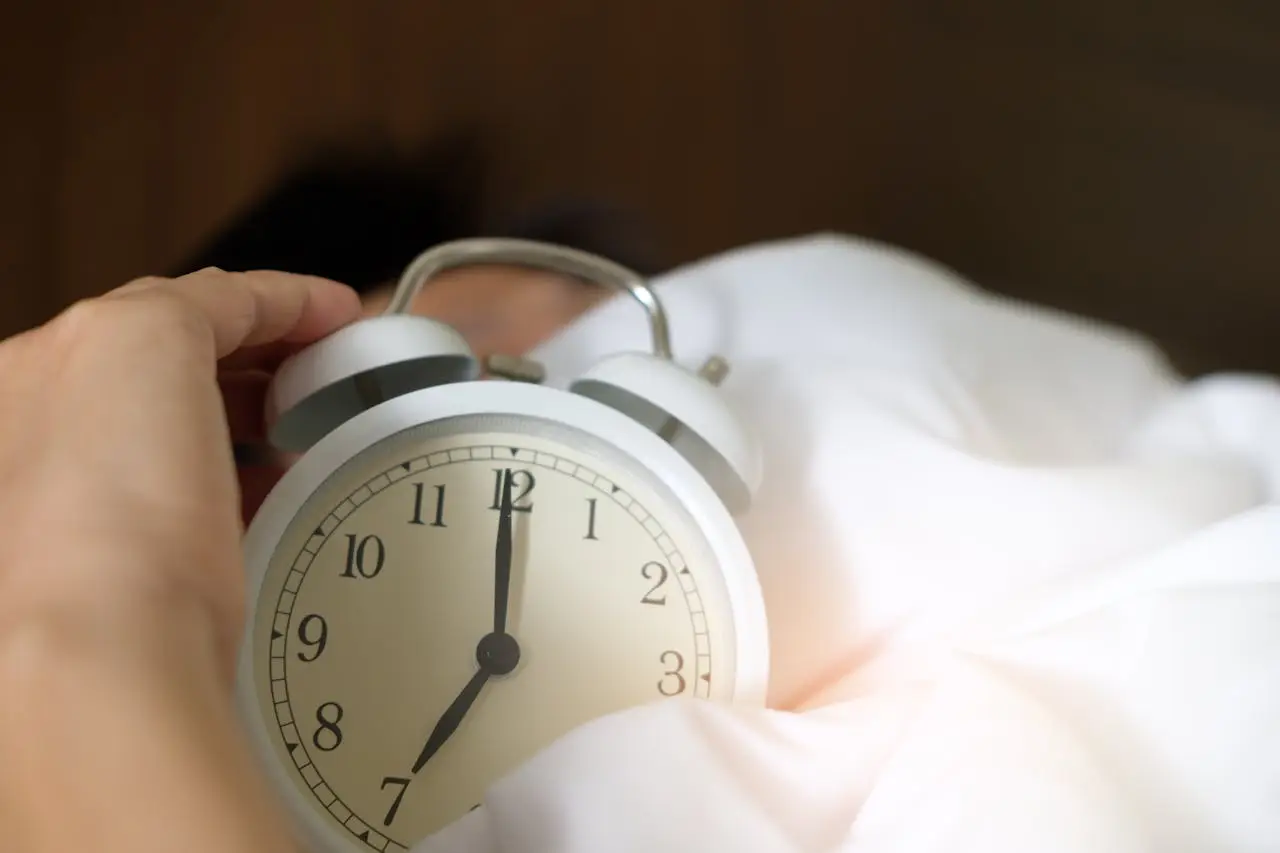
Going to bed earlier won't help unless you set your alarm before bed.
Getting your usual amount of sleep is what we're aiming for here.
"If you are concerned that the time on your clock is not going to be correct in the morning, you may feel like you have to check the time during the night or worry about not waking up early enough," she warns.
Move your meal times
As well as moving your sleep forward, make sure to set your eating-time accordingly.
"Chrononutrition – the science looking at the link between circadian cycle and meal timing – suggests that you should eat your breakfast, lunch and dinner a little earlier in the days before the clocks change to make it easier to adjust. Also, try not to eat a large evening meal too close to bedtime after the clocks change, as this may make the adjustment even harder," Dr. Browning said.
Get early morning light exposure
Although UK Spring weather is still not the best, 'at the very least sit near a window to maximise your morning light exposure'.
"Light is one of the biggest influences of our circadian rhythm. Getting sunshine exposure soon after waking helps us to feel awake earlier and fall asleep more easily when the clocks have changed," she explains.

Don't be sleep-deprived
Long-story-short, get your seven to nine hours, because anything less will make it more difficult to adjust to the clocks moving forward.
If you can't get enough sleep, 'consider seeking professional help'.
Put your phone away in the evenings
Reducing bright light before bed is 'even more important when the clocks have changed so that you can fall asleep at the new time more easily'.
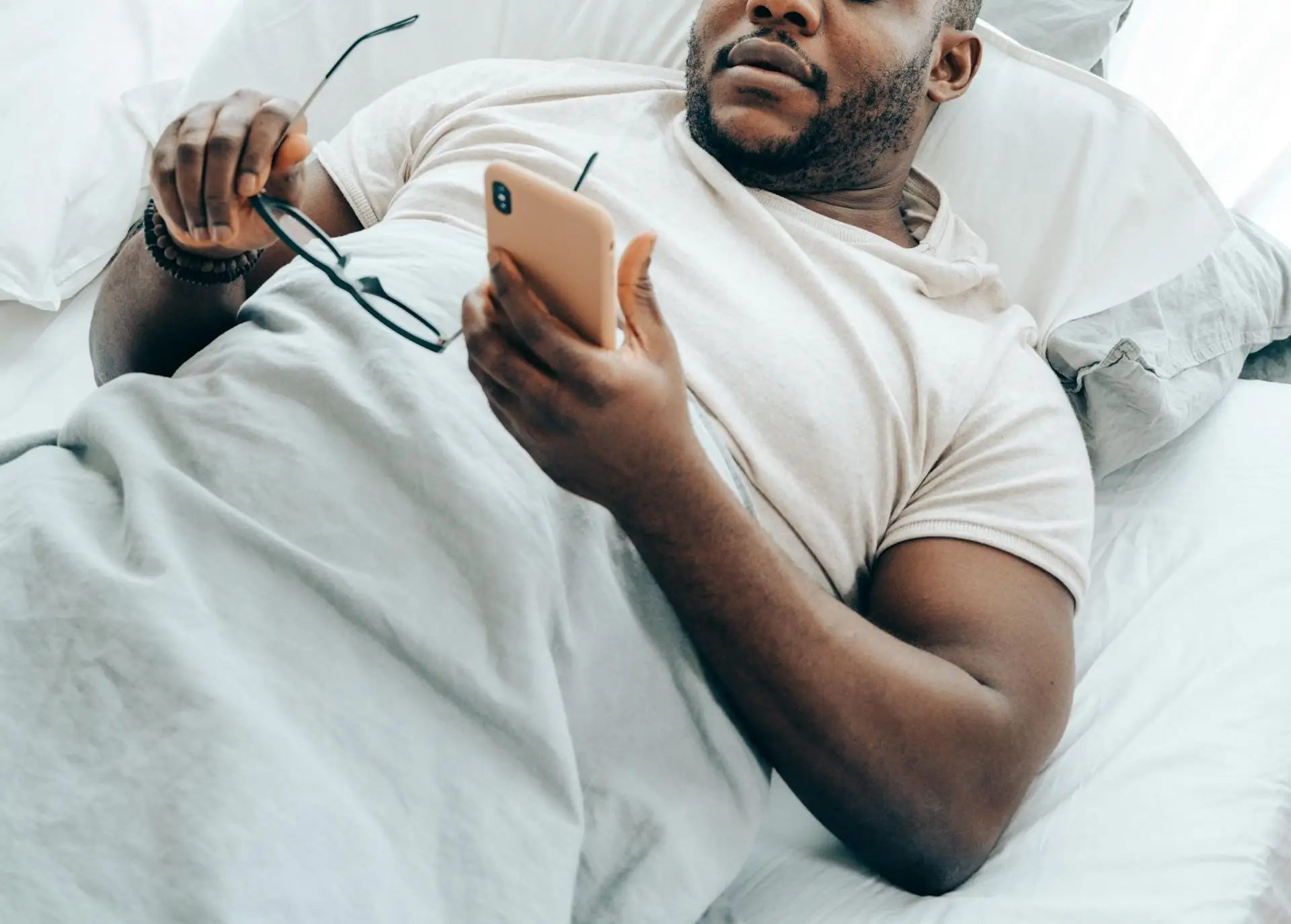
"Try to avoid using bright LED screens (such as tablets or phones) close to bedtime, and dim the indoor lighting in the hours before bed," Dr Browning warns.
Avoid caffeine after 2pm
If caffeine is still in your system when you go to bed, the likelihood is that it'll keep you awake.
"To help you fall asleep more easily after the clocks have changed, it is important to avoid caffeine (found not just in coffee but also in tea, chocolate and some energy drinks) within around six hours of bed-time," she said.
"Caffeine has an approximate six hour half-life, meaning six hours after your last caffeinated drink, half the caffeine is still in your system keeping you awake – and it can also disrupt your sleep cycle."
Avoid exercising late at night
Morning exercise can make feel more alert and awake for the rest of the day and 'it may also help to speed up your adjustment to the new time'.
"Exercising in the late evening may make it harder to fall asleep at the new time after the spring clock change," the expert warns.
Plan ahead
Next time, Dr. Browning advises you to "go to bed 20 minutes earlier, three days before the clocks change and get up 20 minutes earlier than your usual wake up time the next morning."
"Two days before the clock change, go to bed another 20 minutes earlier (which would be 40 minutes earlier than your usual bedtime) and get up 20 minutes earlier still (which would be 40 minutes earlier than your usual wake time)," she said.
Topics: Sleep, UK News, Health, Mental Health
 Anish Vij