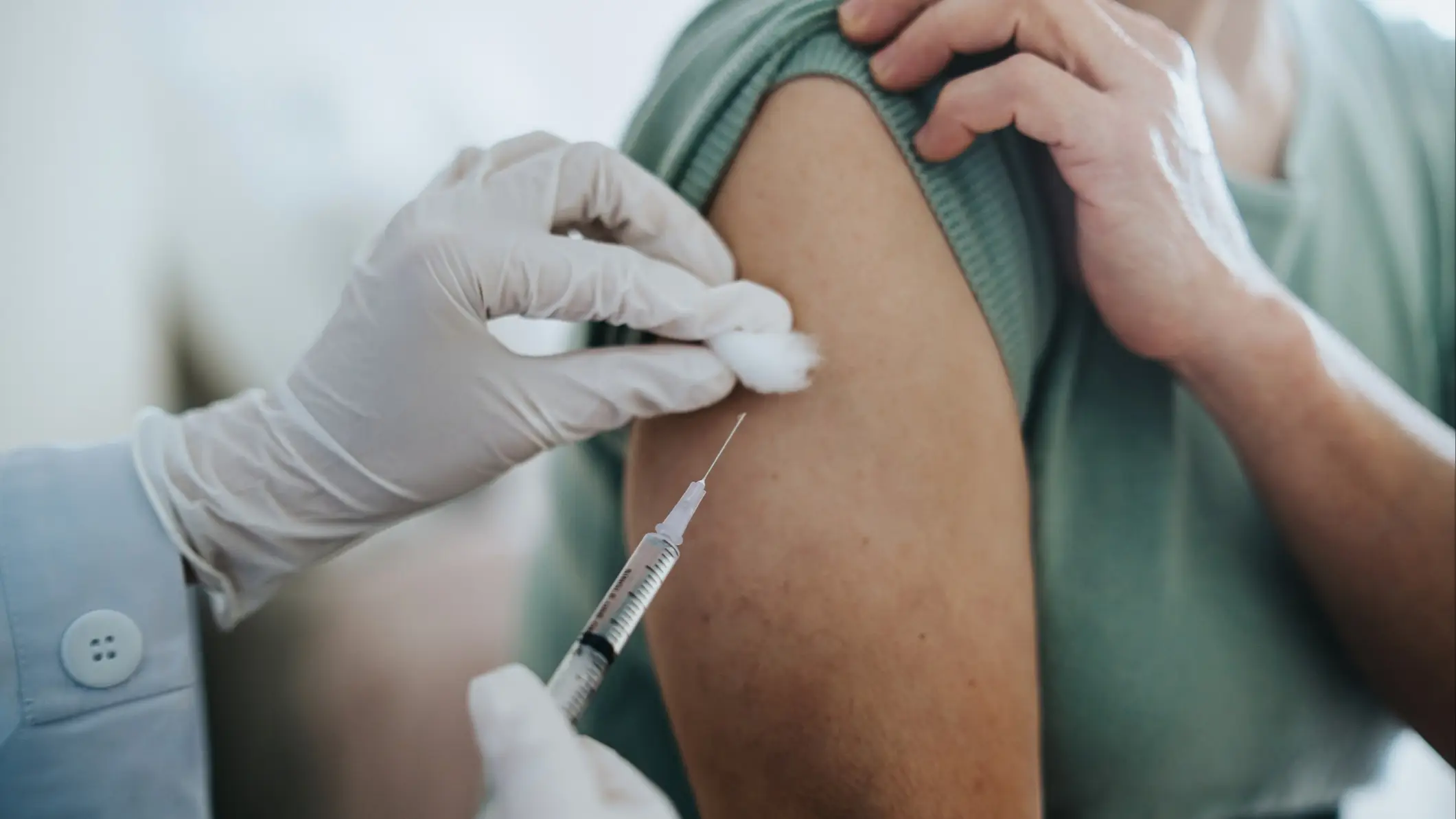
• iconNews
  • videos
  • entertainment
  • Home
  • News
    • UK News
    • US News
    • Australia
    • Ireland
    • World News
    • Weird News
    • Viral News
    • Sport
    • Technology
    • Science
    • True Crime
    • Travel
  • Entertainment
    • Celebrity
    • TV & Film
    • Netflix
    • Music
    • Gaming
    • TikTok
  • LAD Originals
    • FFS PRODUCTIONS
    • Say Maaate to a Mate
    • Daily Ladness
    • UOKM8?
    • FreeToBe
    • Citizen Reef
  • Advertise
  • Terms
  • Privacy & Cookies
  • LADbible Group
  • UNILAD
  • SPORTbible
  • GAMINGbible
  • Tyla
  • UNILAD Tech
  • FOODbible
  • License Our Content
  • About Us & Contact
  • Jobs
  • Latest
  • Topics A-Z
  • Authors
Facebook
Instagram
X
Threads
Snapchat
TikTok
YouTube

LAD Entertainment

YouTube

LAD Stories

Submit Your Content
How often you should be getting Covid booster as study reveals long-term outcome of vaccine

Home> News> Health

Published 15:33 14 Dec 2025 GMT

How often you should be getting Covid booster as study reveals long-term outcome of vaccine

The NHS still offer the vaccines

Jess Battison

Jess Battison

As a long-term outcome of the vaccine has been revealed, here is advice for how often people should be protecting themselves against Covid-19.

All those years ago now, when the UK spent much of 2020 in various degrees of lockdown, Brits were urged to get a jab (and then, following boosters) to help prevent the spread of the virus.

Nowadays, it might not be as common to get the vaccination, but many people still receive boosters for their health.

While a new study has found that the jab did lower the rate of deaths as a result of coronavirus, researchers have also uncovered a link between myocarditis and pericarditis and the vaccine, although it’s very important to note that reports of this are rare.

Advert

And the NHS still advises those who ‘need extra protection’ to get vaccinated.
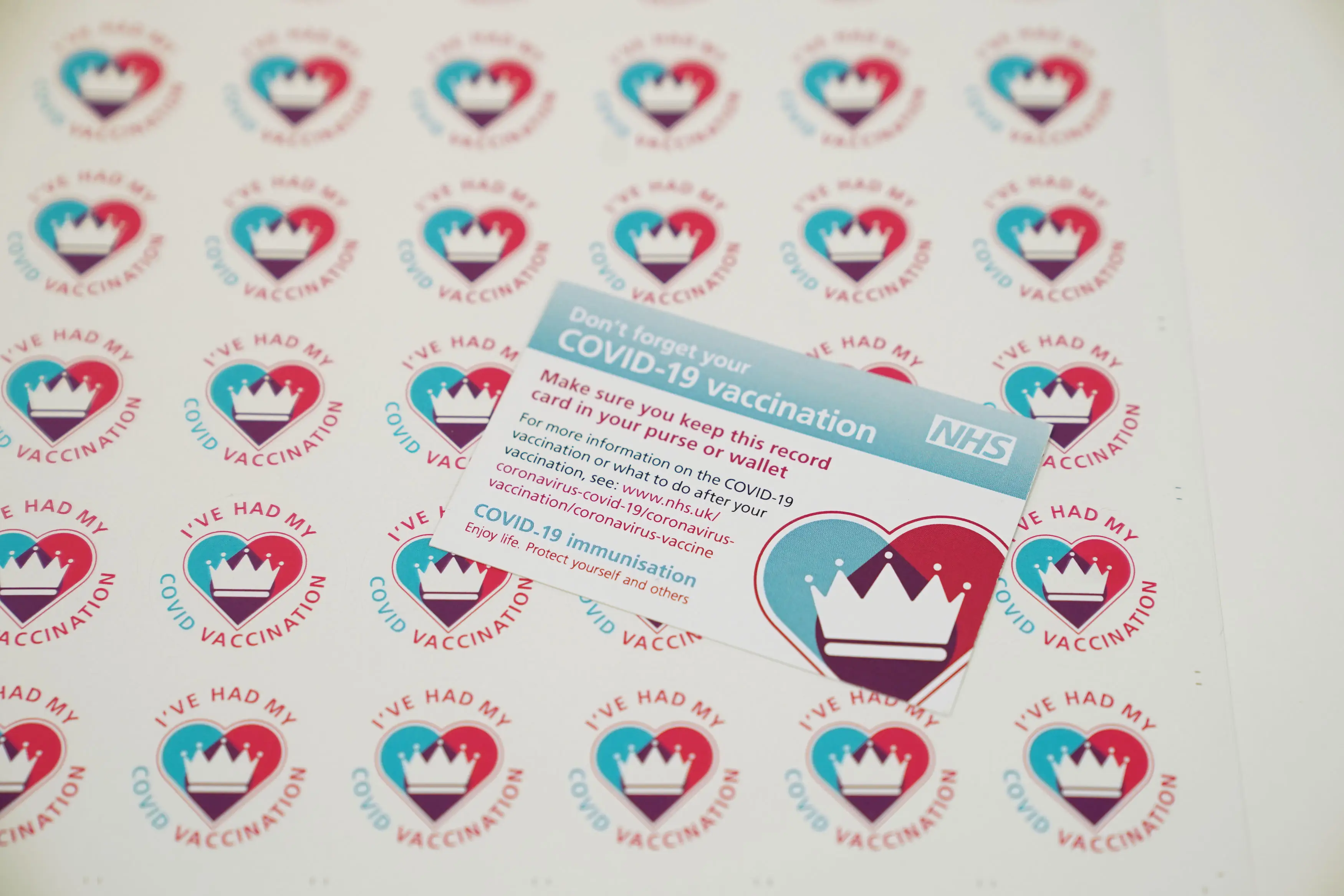
There has been a link found between the Covid vaccine and myocarditis and pericarditis (OWEN HUMPHREYS/POOL/AFP via Getty Images)

Myocarditis and pericarditis linked to the Covid vaccine

Myocarditis is inflammation of the heart muscle that can often happen after a viral infection. This can develop suddenly, and can recur or be chronic. Most people tend to recover from myocarditis, but for others, if severe, it can lead to a weakening of the heart.

Meanwhile, pericarditis refers to the inflammation of the heart’s lining, and the British Heart Foundation found that while reports are rare, there is a link between these two things and the Covid vaccine.

Scientists found immune signals – CVCL10 and interferon-gamma – may be responsible for the cases of myocarditis, as they could be created in labs when mice were given the vaccines.

The team discovered that blocking the signals with antibodies reduced these symptoms in mice and in structures that mimic the human heart.

Again, though, the event was extremely rare, and the British Heart Foundation also added that the Covid virus was more likely to cause myocarditis than the vaccine itself.
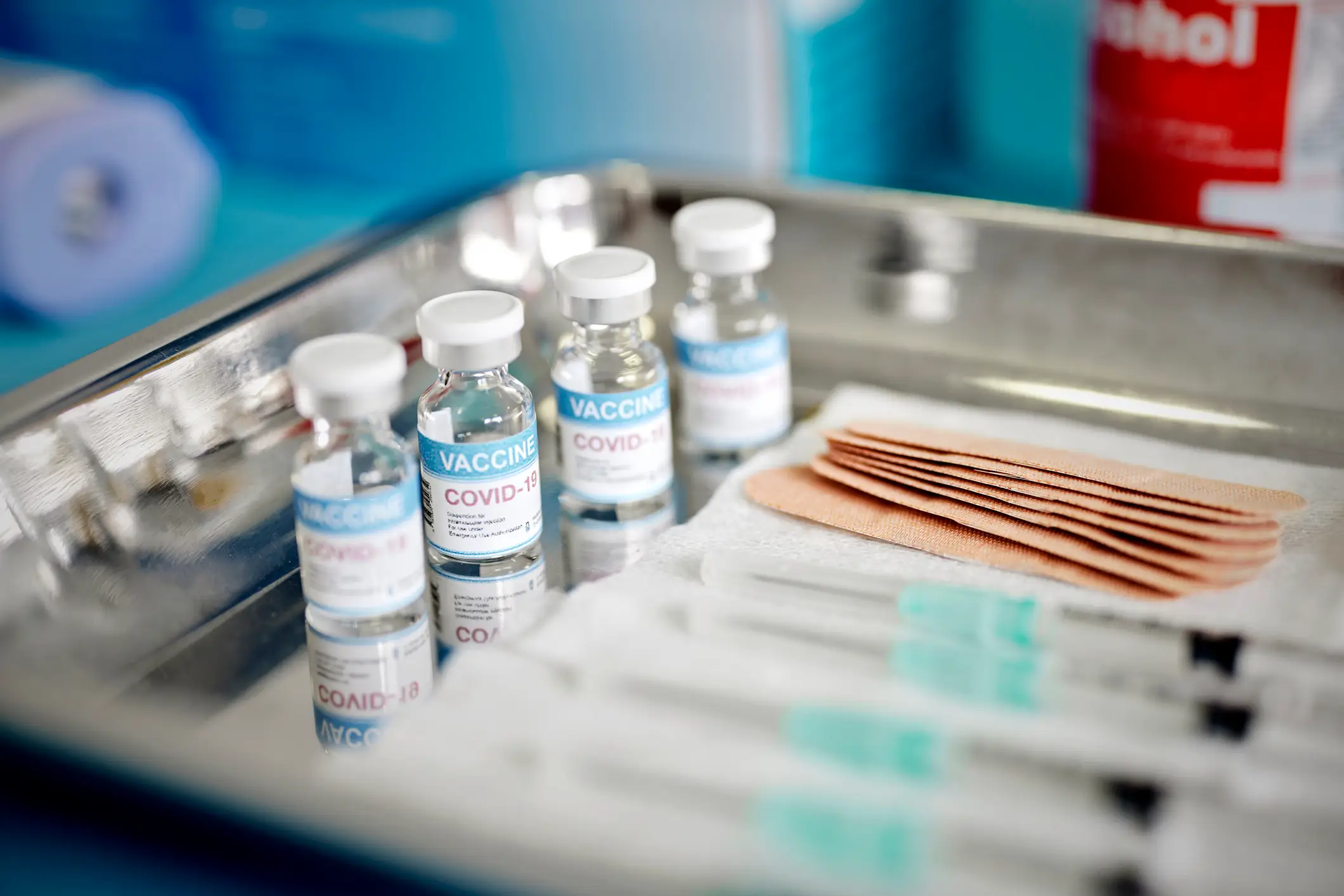
The vaccine is still offered to those eligible in spring and early winter (Getty Stock Image)

NHS guidance on getting the Covid vaccine

The NHS typically offers the Covid-19 vaccine in spring and early winter to those who need extra protection from the virus, and it is recommended that this be taken.

The vaccines continue to be offered as ‘viruses change and protection fades over time’, as the health service adds: “It's important to top up your protection if you're eligible.”

It recommends the winter Covid-19 vaccine for those aged 75 or over, those between six months and 74 years with a weakened immune system because of a health condition or treatment or those who live in a care home for older adults.

The winter Covid-19 vaccine can be booked through the NHS for those eligible, and the last date to get it is 31 January 2026.

Featured Image Credit: Getty Images

Topics: NHS, Health

Jess Battison
Jess Battison

Jess is a Senior Journalist with a love of all things pop culture. Her main interests include asking everyone in the office what they're having for tea, waiting for a new series of The Traitors and losing her voice at a Beyoncé concert. She graduated with a first in Journalism from City, University of London in 2021.

X

@jessbattison_

Advert

Advert

Advert

Choose your content:

an hour ago
2 hours ago
  • Getty Stock
    an hour ago

    New research makes huge findings about impact of eating chia seeds

    The superfood is often added to improve people's diets

    News
  • NBC
    2 hours ago

    Two Border Patrol agents placed on leave over Alex Pretti killing

    Alex Pretti, a US citizen, was shot and killed on Saturday (24 January)

    News

    breaking

  • Supplied
    2 hours ago

    Where man who spent 13 years ‘locked in his own body’ is now more than decade later

    Martin Pistorius was stuck in a 'locked-in' state for over a decade

    News
  • TikTok/izabellamarie_
    2 hours ago

    Father of teenager who got pregnant by 12-year-old speaks out in candid post

    He's spoken out ahead of her controversial TV appearance

    News
  • Huge study finally reveals outcome for people who took Covid vaccine
  • Real risk from Covid vaccine after study revealed outcome for people who took the jab
  • Doctor explains how you know you're getting sick with new Covid variant as 'Stratus' strain spreads globally
  • The strength of one body part could be a huge indicator of how long you will live