
Doctor says one symptom means you've got covid and not the flu

It's winter which means all of your work mates are calling in sick.
But the chances are that they aren't all calling in sick for the same thing, as there are some differences between the cold, the flu and Covid-19.
As you'd expect, viruses tend to spread easily when the weather drops and actually spending more time in doors sort of makes things worse.
Now, Doctor Rupa Parmar, a GP and medical director at Midland Health, has explained how to tell them apart, despite there being common symptoms in all three viruses.
Advert
"There are some key differences between a common cold, Covid and flu that can easily help you differentiate them," she said.
"But, if you’re still unsure, always consult your doctor. After all, it’s always better to be safe than sorry when it comes to health."
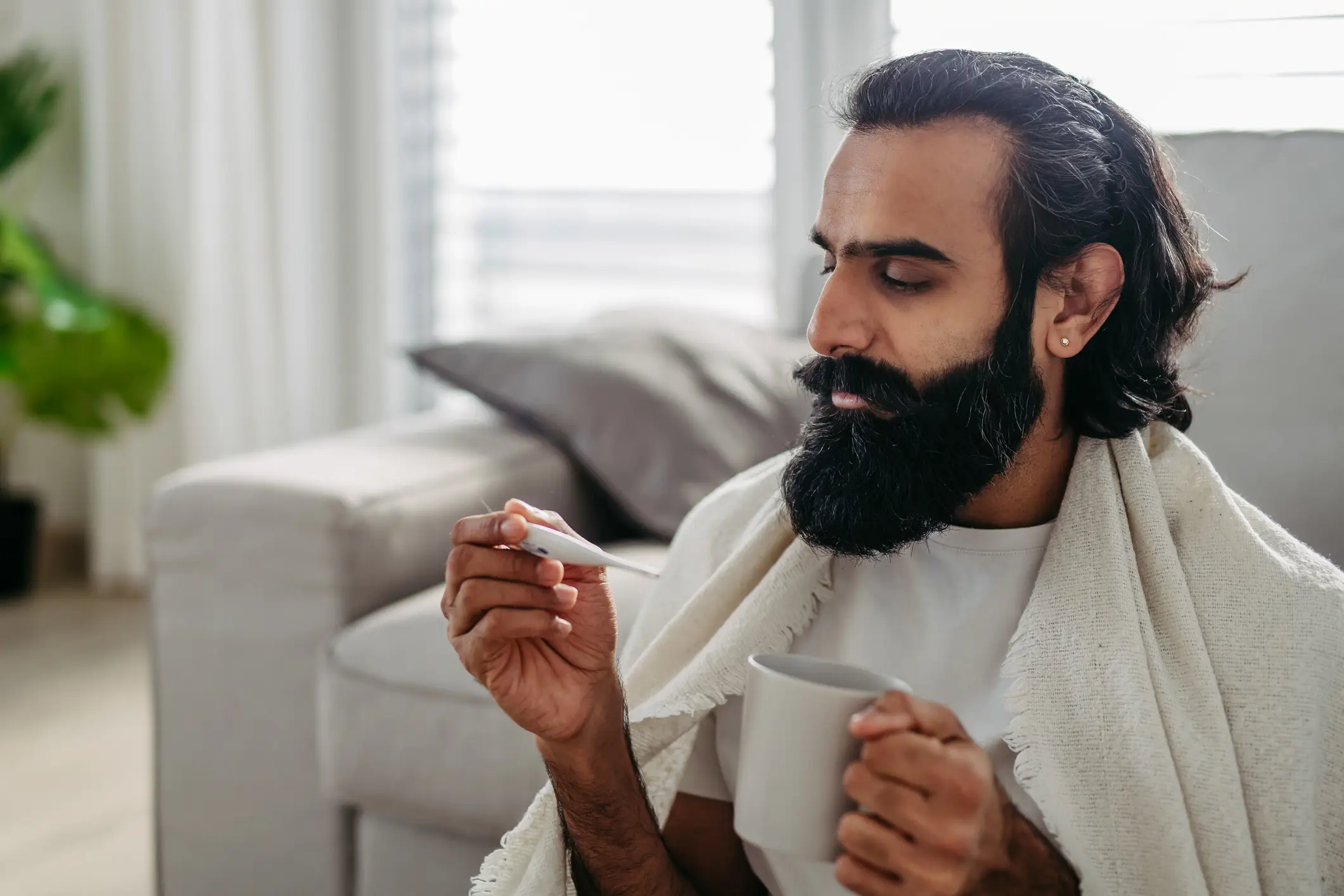
Dr Parmar noted that 'a flu cough will seem dry' and will 'come on very quickly', whereas a 'cold cough will be more mild'.
When it comes to Covid, your cough will most likely be dry.
But the one key difference is that a covid cough is a bit more persistent and can last longer.
“With Covid, a cough will be dry and continuous, and many people will cough for more than an hour or have three or more coughing episodes within a day,” she added.

According to the NHS, this cough will be 'continuous' and will consist of 'coughing a lot for more than an hour, or three or more coughing episodes in 24 hours'.
The NHS warned: “The symptoms are very similar to symptoms of other illnesses, such as colds and flu.
“Most people feel better within a few weeks, but it can take longer to recover.
“For some people, it can be a more serious illness and their symptoms can last longer.”
It added: “If you have a cough, you can ask a pharmacist for advice about cough treatments.”
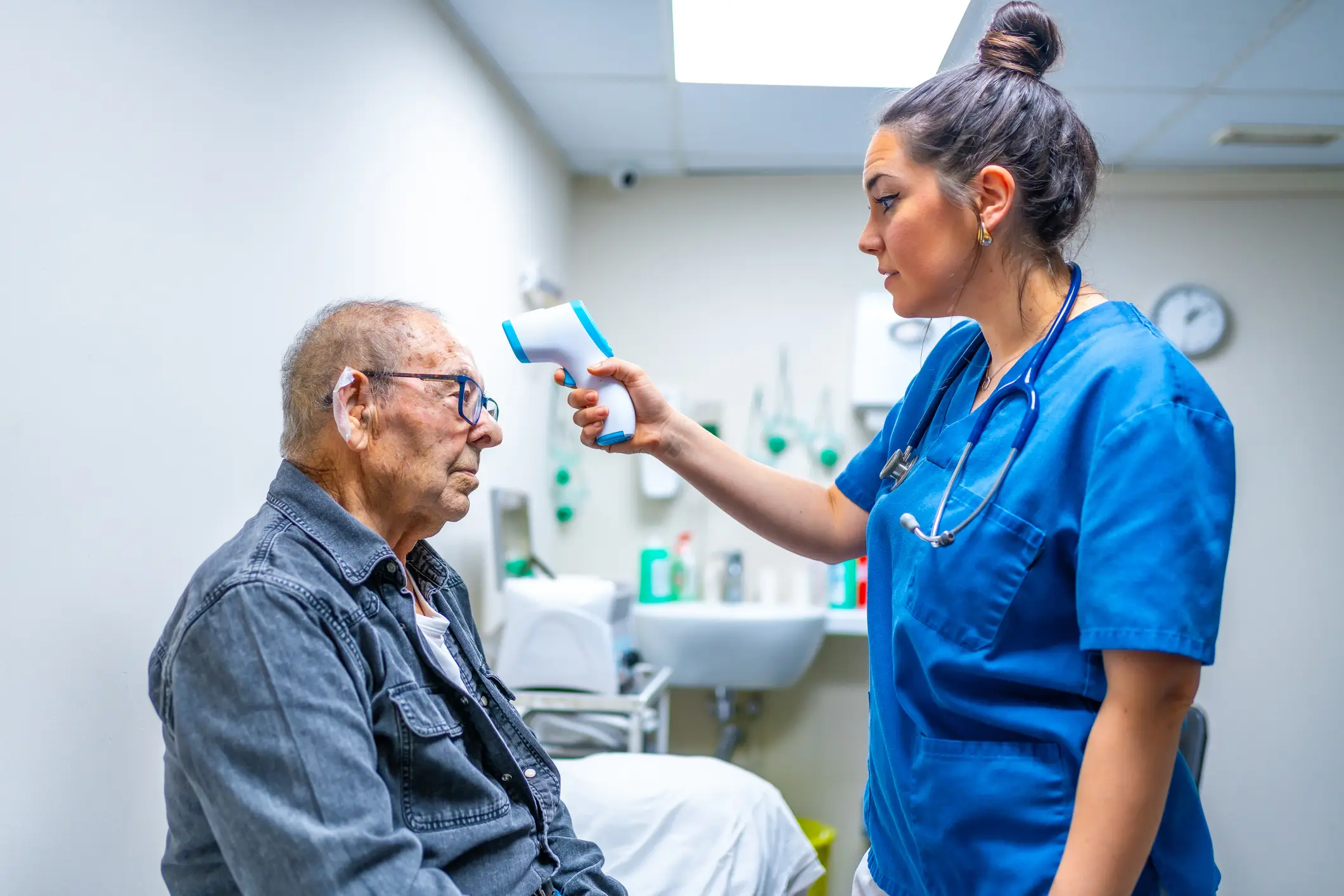
The health service also says most people do not need to take a rapid lateral flow test for Covid-19, even if they have symptoms, such as a dry cough and a temperature.
If you or a child are under 18, it is advised to stay at home and avoid contact with others for three days from the day the test was taken, as children and young people are usually infectious for a shorter period.
"Avoid meeting people who are more likely to get seriously ill from infections, such as people with a weakened immune system, for 10 days after the day you took your test," they added.
Topics: Coronavirus, Health, UK News, NHS
 Anish Vij