All warning signs of ‘super flu’ wiping out country as NHS facing 'worst case scenario'

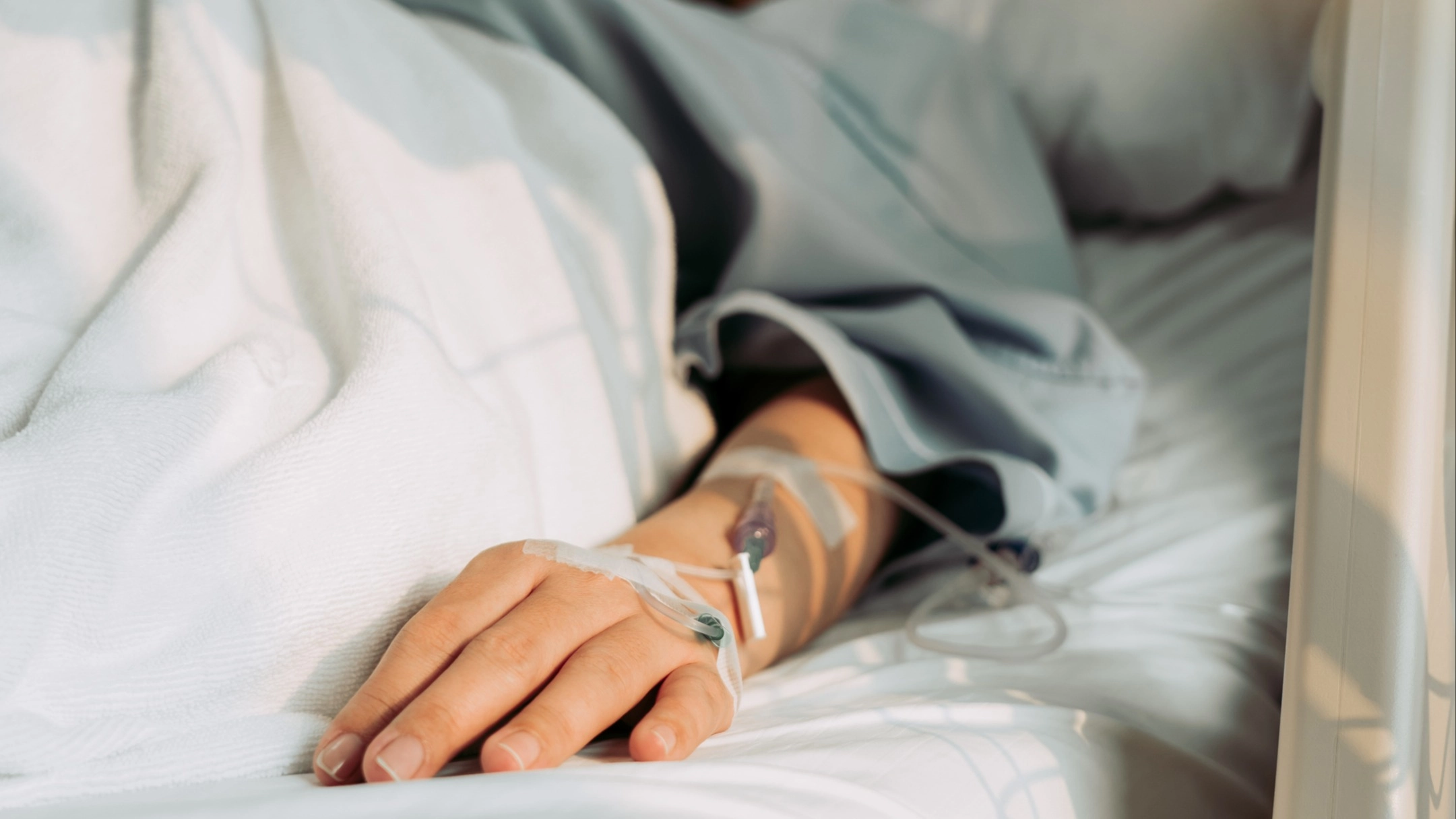
England's leading doctor has warned the NHS is 'facing a worst-case scenario for this time of year,' as the vicious 'super flu' continues to hospitalise thousands of people each day.
NHS England's National Medical Director Meghana Pandit made the worrying comments after it was announced that flu hospitalisations had increased by 55 percent last week, at the same time as norovirus saw a 35 percent increase.
Experts recently discovered an aggressive new strain of flu, dubbed H3N2 or subclade K, behind the surge in illnesses sweeping across the country.
Despite there already being enough flu patients to fill at least three hospital trusts, the peak of the surge is not expected to hit for another month, meaning hospital admissions are likely to continue rising until then.
Advert
“With record demand for A&E and ambulances and an impending resident doctors strike, this unprecedented wave of super flu is leaving the NHS facing a worst-case scenario for this time of year," Professor Pandit said.
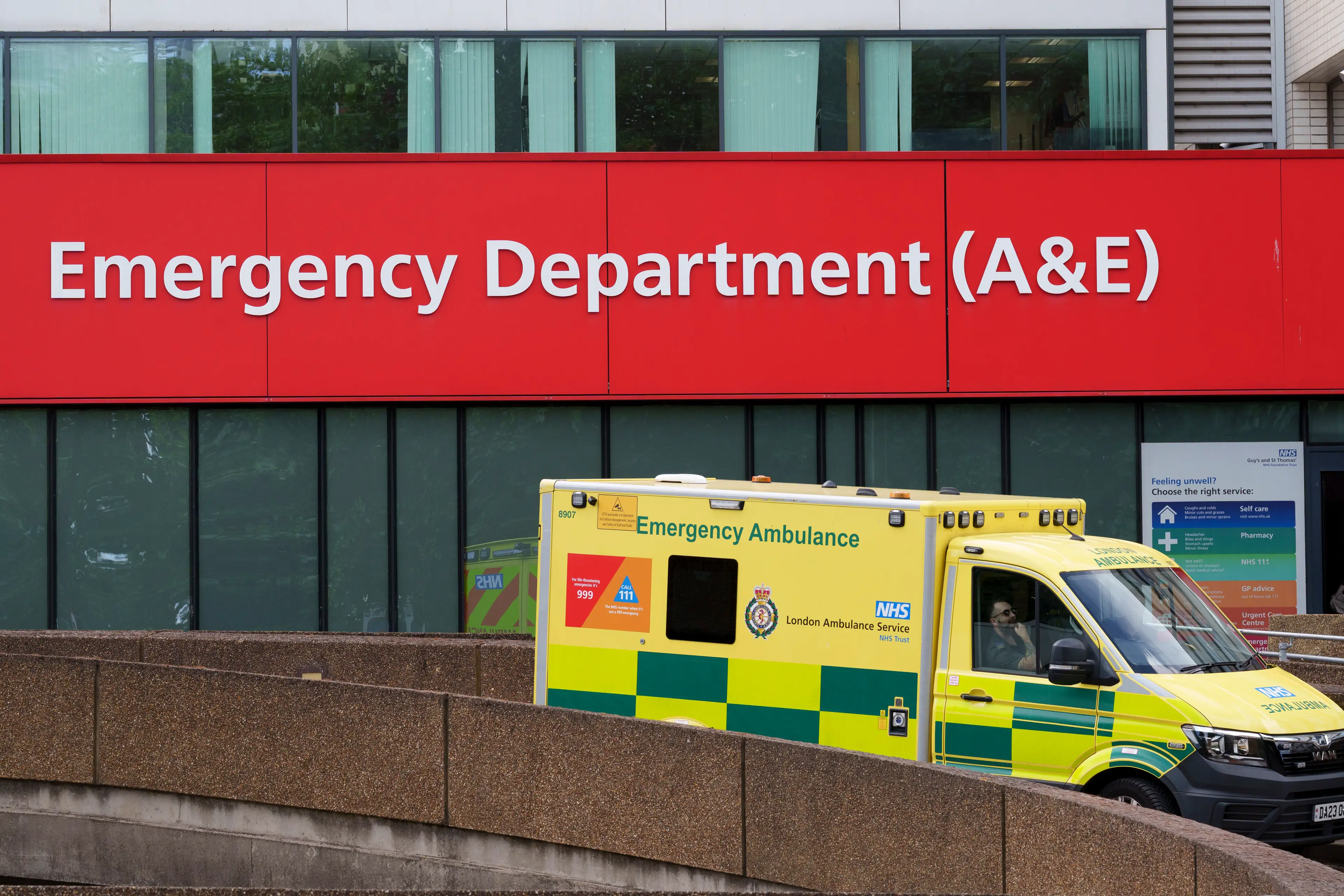
"Staff are being pushed to the limit to keep providing the best possible care for patients. The numbers of patients in hospital with flu is extremely high for this time of year. Even worse, it continues to rise and the peak is not in sight yet, so the NHS faces an extremely challenging few weeks ahead."
What are the warning signs of the 'super flu'?
Unlike the common cold, which is also spreading rapidly at the moment, flu develops very suddenly and quickly, causing a range of symptoms, from extreme tiredness to fever.
According to the UKHSA, many of the symptoms of H3N2 are much like those of most seasonal flus, such as a cough, runny nose, body aches and possibly vomiting and diarrhoea, in addition to the fatigue and fever.
The only difference with the H3N2 super flu is that the symptoms are likely to be more severe and rapid in their onset.
Will the flu vaccine help against the new strain?
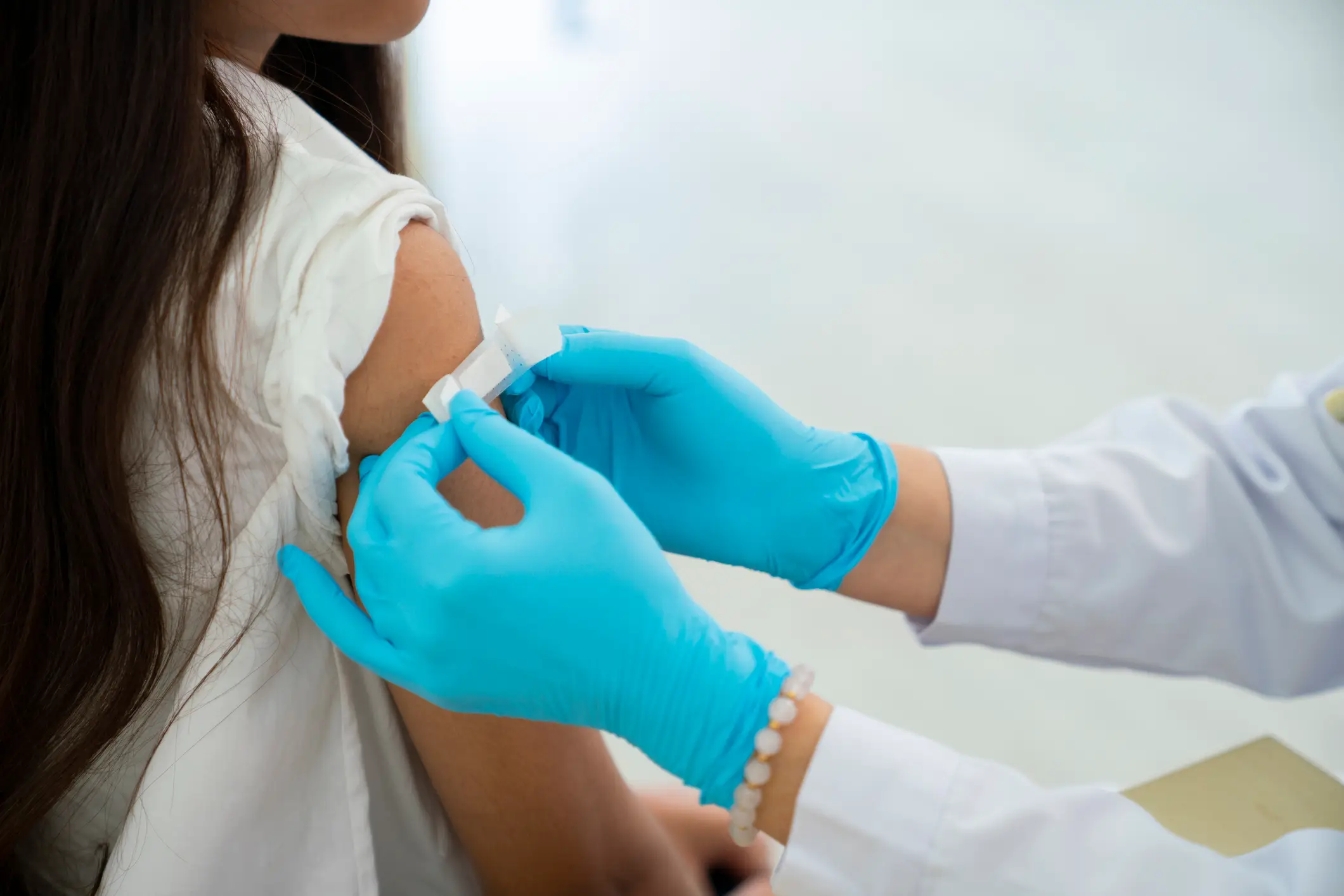
NHS bosses are urging as many people as possible to get the flu jab, particularly those from the most vulnerable groups in society.
Despite H3N2 being a new strain, the flu vaccine should still protect against the illness as it would any other strain of influenza.
In the UK, the NHS offers free flu jabs to people deemed most at-risk, including anyone aged 65 or over, people with certain long-term health conditions, pregnant women, anyone living a care home, people who care for older or disabled people or receive a carer's allowance, or those living with someone from a weakened immune system.
People working on the frontline in health and social care can also get free flu jabs through their employers.
There is now a nasal spray version of the flu vaccine which is being offered to children aged two and three and school ages for free.
Anyone can get a flu jab, all you need to do is pay for it. You can go into most pharmacies and request a jab, or you can book online at the likes of Boots or Well Pharmacy.
 Emma Rosemurgey