
Doctor explains 'frightening' side effect coming off sertraline following NHS warning

Sertraline is one of the most commonly prescribed anti-depressants in the UK but like many other medications, it can sometimes come with some serious side effects.
Part of the Selective Serotonin Reuptake Inhibitor (SSRI) drug family, it is used to treat mental health conditions including depression, anxiety, obsessive-compulsive disorder (OCD) and post-traumatic stress disorder (PTSD).
The medication works by increasing the amount of serotonin in the body, which can make you feel calmer and happier, but it isn't without its side effects.
Unlike the warnings that have recently been issued regarding the continued use of Omeprazole, it is not taking Sertraline for too long which can lead to issues, it is sometimes coming off it.
Advert
The main reported side effects of sertraline are:
- Headaches
- Feeling sick (nausea) and being sick (vomiting)
- Dizziness or drowsiness
- Dry mouth
- Diarrhoea
- Problems sleeping
- Sexual problems, such as low sex drive (loss of libido)
- Weight gain
However, there is also a potentially lethal side effect, should there be too much serotonin in the body. While too much happiness and calmness might sound like a good thing, it can be extremely serious and even deadly if left untreated.

The condition is known as serotonin syndrome and presents itself through symptoms such as confusion, irritability, dilated pupils, increased heart rate and blood pressure and headaches, with more severe symptoms including seizures, loss of consciousness and tremors.
Should you experience any of these issues, then it's advised that you should call 111.
A doctor has explained exactly why it can also be dangerous to come off sertraline too fast, as the body will have to quickly adjust to the levels of serotonin it had before, which peculiarly can lead to issues with your dreams.
Dr Nikita Amin told Metro: "Sertraline works on neurotransmitters like serotonin, norepinephrine, and dopamine. Suddenly reducing these levels forces your brain to try and rebalance itself."
Because Sertraline can cause issues with sleeping, coming off it can cause an imbalance, leading to a patient suffering from vivid and unsettling dreams thanks to a condition known as REM rebound.
Dr Amin added: "They can last for a few weeks. During this time, the brain is trying to adjust to the new levels of sertraline in the body.
"Within three to six weeks symptoms tend to subside."
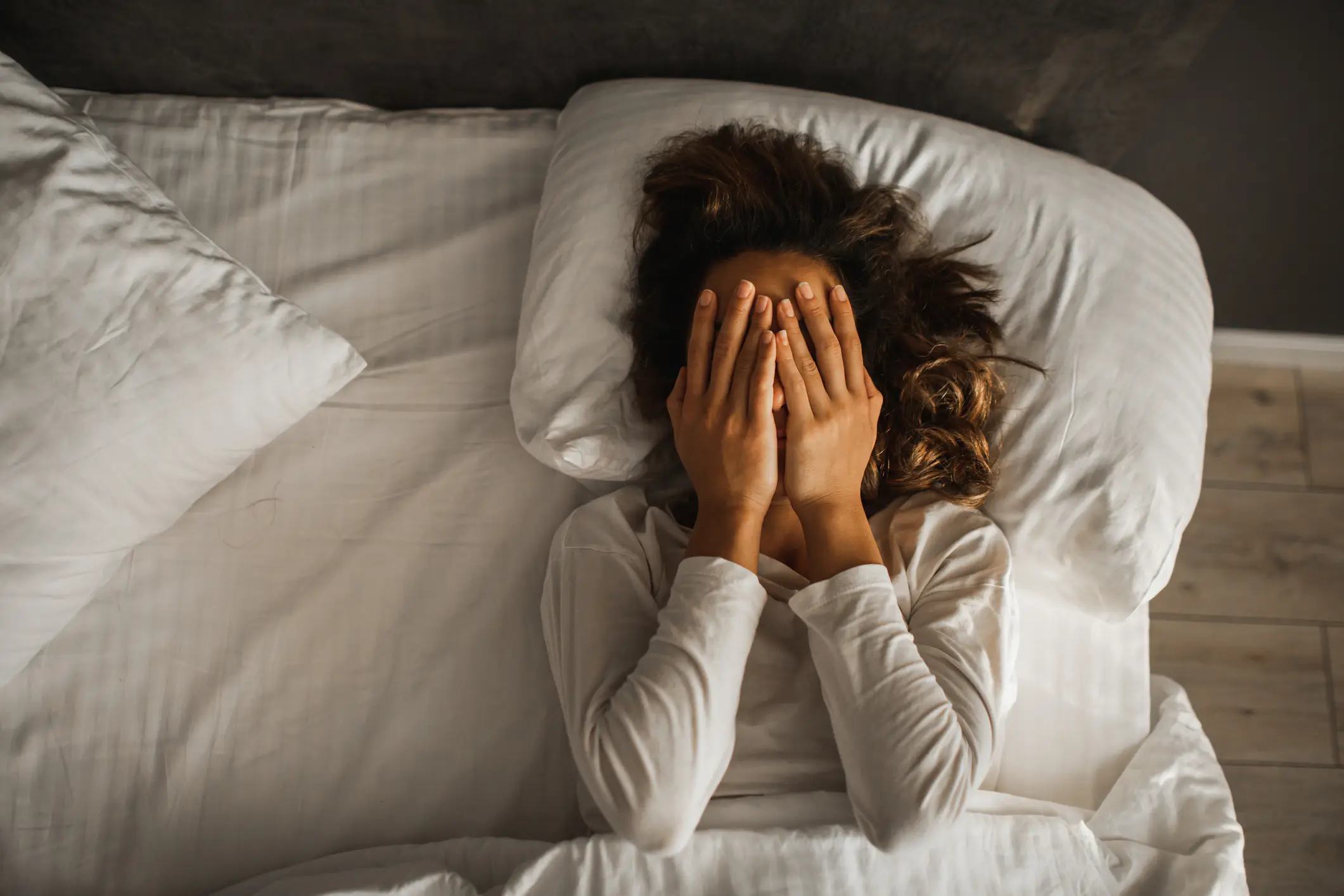
However, just because the serotonin levels in the body have likely decreased, it doesn't meant that the vivid dreams will always be unpleasant.
"Vivid dreams can be blissful," she said. "But due to the intensity of them, they can cause confusion upon waking as they feel very real."
She added: "Vivid dreams will only become nightmares when they evoke a negative emotion such as fear, anxiety, distress. But they can range from delightful to unsettling."
If you're experiencing distressing thoughts and feelings, the Campaign Against Living Miserably (CALM) is there to support you. They're open from 5pm–midnight, 365 days a year. Their national number is 0800 58 58 58 and they also have a webchat service if you're not comfortable talking on the phone.
Topics: Mental Health
 James Moorhouse