
Unmarried couples living together in UK warned over major changes being made to their rights

The UK government is set to announce some significant changes to the rules around unmarried couples living together.
Although it might well shock your grandparents, it's more common than not to live with your partner before you actually get married, because who wants to end up married to someone who turns out to be lazy or untidy at home?
However, until now the rules in the UK haven't quite caught up to this modern way of living, with property rights being particularly difficult to sort out in the event of a break-up or death.
Fortunately, the UK government has now launched a consultation on new laws that could give stronger financial rights to unmarried couples when a relationship comes to an end, or if a partner dies without a will.
Advert
They will ask for feedback from the general public before making a final decision, and its hoped that it will provide women with a lot more security, particularly when it's in cases of domestic abuse.

A 'fair system' in the event of unmarried couples breaking up or being bereaved
Deputy Prime Minister, David Lammy, said: "When a relationship comes to an end, each partner should have the support and certainty they need to rebuild their life.
"We're launching this consultation to make sure our new family law builds a fair system that offers the most vulnerable protection in the event of a breakup, and at a time where the country is facing cost of living pressures.
“Whether you’ve been left bereaved by the sudden and unexpected death of a partner, or escaped horrific domestic abuse, our laws should work to protect you.
"These reforms strike an important balance between tradition and modernity. I’m determined that our justice system should work for everyone who needs it.”
The UK has over 3.5 million unmarried couples who live together and they will be given the opportunity to have their say from tomorrow (5 June), with it being hoped that these amendments can make crucial changes to the current outdated system offers unmarried couples who live together limited financial rights if their relationship happens to end.
Protecting victims of domestic abuse
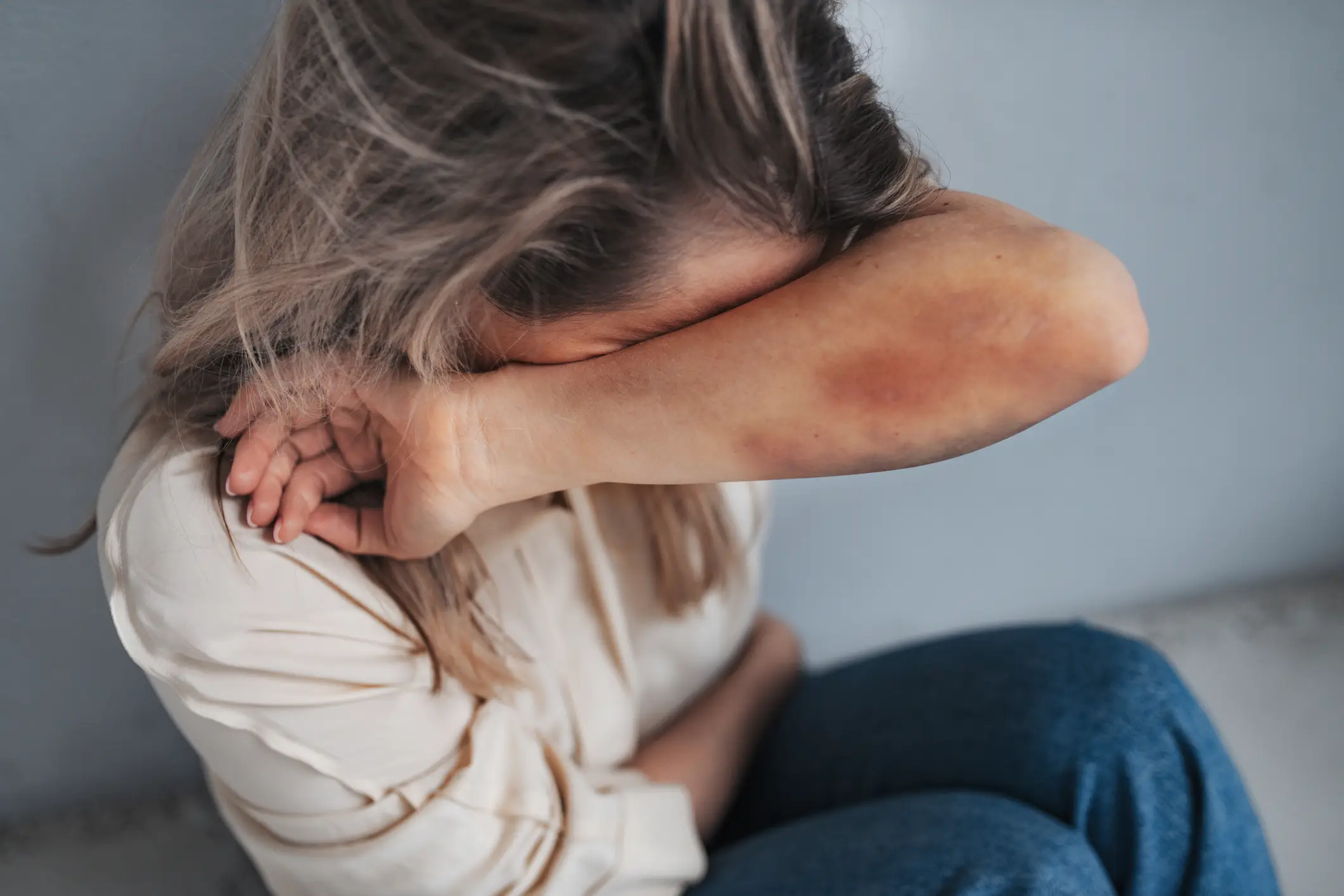
Two of the biggest changes will protect victims of domestic abuse by giving greater weight to controlling or coercive behaviour when assessing finances, while cohabiting couples will be automatically entitled to inherit money from their partner if they are to pass away.
Sam Smethers, CEO of Surviving Economic Abuse, said: “This is a once in a generation opportunity to improve protections for victim survivors of domestic abuse, whether they hold a marriage certificate or not.
"Too often, cohabiting survivors are left with no safe route to separate financially from an abusive partner, forced to abandon their home, savings or financial security just to escape.
“It is encouraging that the Government will also explore whether courts should give greater weight to domestic, including economic, abuse when resolving finances. Too many survivors are forced to navigate an outdated legal system that doesn’t consider the impact of these harms and is often weaponised by abusers to continue coercive control from afar.
“As reforms are developed, it is vital that the Government works closely with victim survivors – especially those most marginalised from the justice system – to ensure the new protections recognise the devastating impact of economic abuse and genuinely meet all survivors’ needs.”
'We look forward to these reforms being implemented to create a system fit for modern society'
The government is also proposing that pre-nuptial and post-nuptial agreements should be made legally binding to ensure that people who choose to enter one can feel confident their financial wishes will be honoured if they divorce.
Melanie Bataillard-Samuel, Chair of Resolution, said: “For too long, unmarried partners have been placed at risk of significant financial hardship and uncertainty when their relationship comes to an end through separation or death.
"The current law has simply not kept pace with changes in society, and often enables perpetrators of domestic abuse to continue that abuse after a relationship has ended.
"Today’s announcement is a welcome and significant step towards ending the endemic unfairness for cohabiting couples that Resolution’s 6,500 members see day in, day out.
"We look forward to these reforms being implemented to create a system that is fit for modern society."
 James Moorhouse