Horrifying symptoms of alcohol withdrawal to watch out for as Dry January is underway

Warning: This article contains discussion of alcoholism which some readers may find distressing.
Around 600,000 people in the UK, almost one in 10, are dependent on alcohol. If you're one of these people, Dry January can come with hidden dangers and unexpected side effects.
Now Christmas is over - which if we're honest saw many of us overindulge in booze - the penitential period of Dry January is here, with many of us abstaining from alcohol for a month.
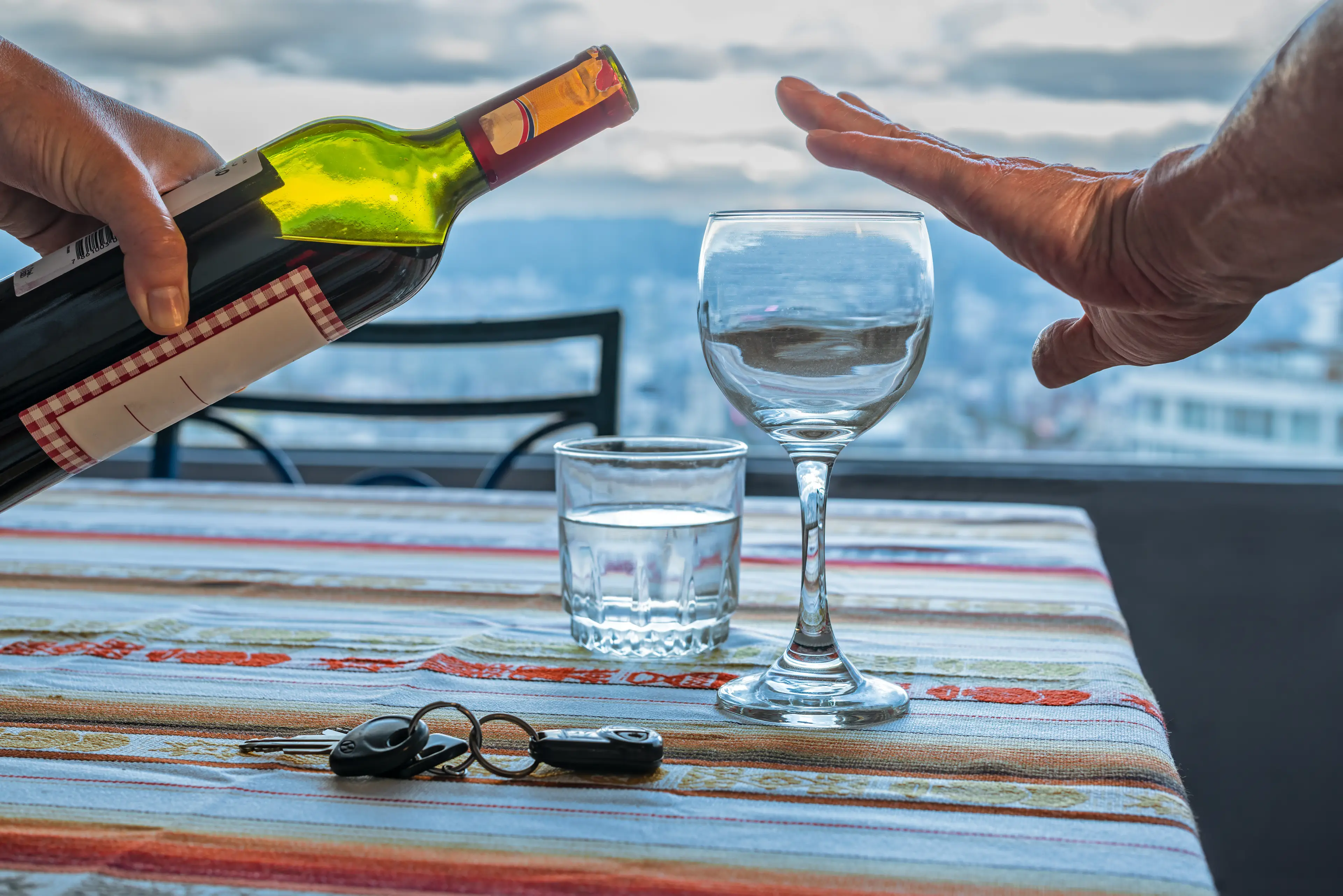
From a health perspective taking a break from alcohol is a good idea. But if you are alcohol dependent then stopping alcohol consumption very suddenly could lead you to experience withdrawal.
Advert
In bad cases people who are dependant on alcohol are advised to consult a doctor to manage their reduction.
But what kind of symptoms could you experience from alcohol withdrawal?
Andrew Kim MD explained on his YouTube channel that half of people who are dependent on alcohol will experience some sort of withdrawal symptoms, which range from the more mild up to the very serious.
Symptoms can come on rapidly, between six to 24 hours after your last drink.
Mild to moderate symptoms of alcohol withdrawal
On the milder end, which would the majority of cases, you might expect shakes, irritability, headaches, and disrupted sleep, while with more moderate symptoms you might feel like your heart is racing or skipping beats and your blood pressure is going very high.
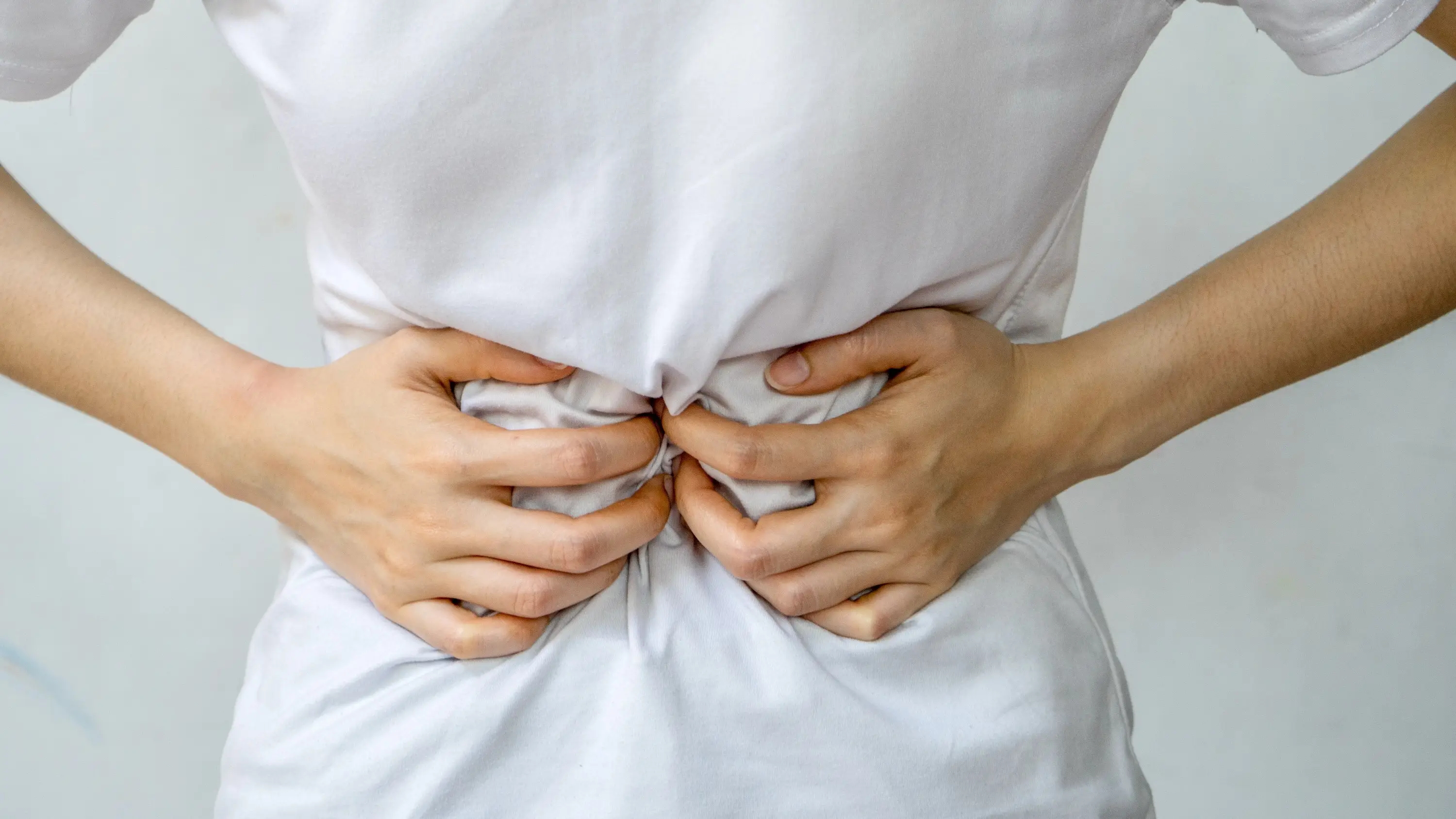
There's also stomach problems such as nausea or vomiting in some cases.
These can usually go away after a few days, but can lead to a destructive cycle.
"It’s these withdrawal symptoms, even though they’re mild, which may continue to perpetuate somebody’s drinking because they say I don’t want to feel this way and I noticed that when I start drinking it kind of goes away," said Kim.
Severe symptoms of alcohol withdrawal

There are also some symptoms which are far more serious than these, which affect around one in five people who experience alcohol withdrawal.
One is alcoholic hallucinosis, where you start to hallucinate from alcohol withdrawal, which can start between 12 and 24 hours since your last drink, and can last a few days or up to a week in extreme cases.
It includes some really disturbing experiences such as visual hallucinations ('shadow figures, figure of people, animals, insects, objects that other people can't see') and auditory hallucinations ('hearing sounds and voices that other people around you are not noticing'), and feeling something is crawling on your skin.
"This can be a very distressing and scary experience for people who experience alcoholic hallucinosis," said Kim.
"It could be confusing. Their loved ones or people around them may not understand what they’re going through, but this is a phenomenon that could happen."
You can also experience alcohol withdrawal seizures from six to 72 hours after your last drink, and they affect between 10 and 30 percent of people going through alcohol withdrawal.
Dr Kim said: "You lose consciousness, you drop to the floor and you start convulsing or shaking on the ground. You may lose control of your bladder. You may end up biting your tongue. You may have a series of a few seizures that occur in a short span of time."
He advised people to seek immediate medical attention if they have an alcohol withdrawal seizure.
The NHS recommends that 'if you're dependent on alcohol to function, it's recommended you seek medical advice to manage your withdrawal'.
Please drink responsibly. If you want to discuss any issues relating to alcohol in confidence, contact Drinkline on 0300 123 1110, 9am–8pm weekdays and 11am–4pm weekends for advice and support.
Topics: News, UK News, Christmas, Dry January
 Kit Roberts