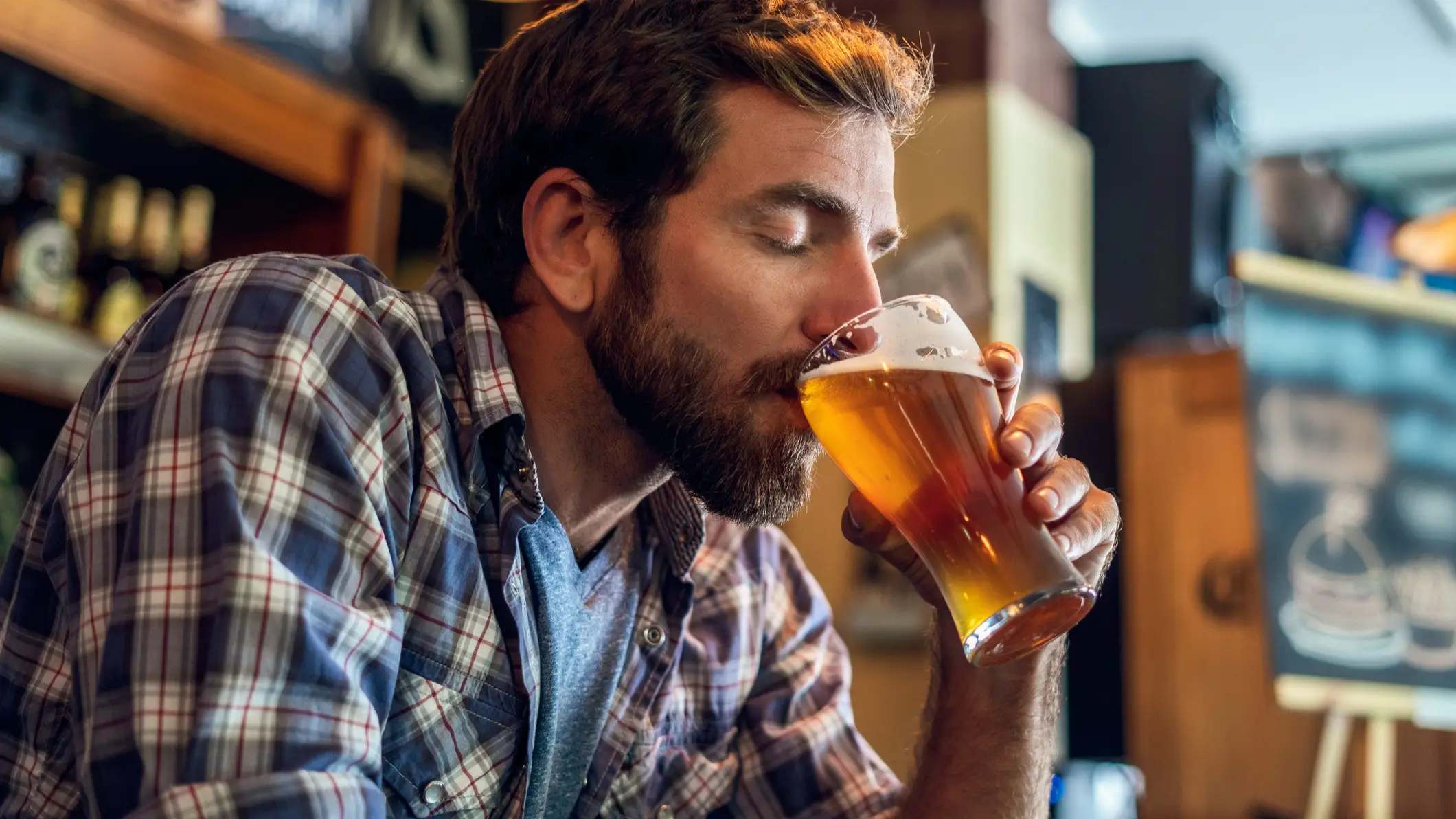
Full timeline of what happens to your body while completing one year of sobriety

Dry January is right around the corner, with Alcohol Change UK reporting that a staggering 17.5 million people intend to begin 2026 with a month-long drinking hiatus.
For some, it’s a reset and a way to break unhealthy patterns after indulging over the Christmas period. Meanwhile, others will see it as a way to save some dosh, or to improve their overall health as the ‘New Year, New Me’ slogan goes.
To participate in Dry January, all you have to do is swap wine for a non-alcoholic alternative, say ‘no’ to a creamy Guinness, and drink hot chocolate without that silky Baileys shot.
But does abstaining from alcohol for a month really have any benefits? And what will happen to your body if you decide to go the full hog by making 2026 the year of abstinence?
Advert
Well, the Addiction Center, an American-based support system, has detailed how healthy you can become by taking a year off alcohol.
Here’s everything you need know.

First two weeks off the bottle
Light to moderate boozers are likely to wake up feeling more alert, feel as if they are able to accomplish more during the day, and have some extra free time in the first two weeks of quitting.
One thing habitual drinkers may struggle with during this time is the lifestyle adjustment.
Try to swap your post-work tipple for an activity, or swap a debrief over a bottle of wine for a non-alcoholic alternative. Anyone who would classify themselves as a ‘heavy’ or ‘chronic drinker’ may experience alcohol withdrawal during this time.
Agitation, anxiety, and tremors may manifest 12-24 hours after your last bottle, peak around 72 hours, and peter out between day three and four, according to the Addiction Center.

A month without booze
If you complete Dry January, then you will have successfully navigated a full month of no alcohol.
Over the course of 31 days, your gut will start to heal, your skin will look brighter due to increased hydration, and your sleep is likely to improve.
Two to six months of sobriety
The Addiction Center reasoned that the longer you abstain from alcohol, the better you’re going to feel.
If you extend your dry January through to summer 2026, you’ll probably drop some weight, notice improvements in memory and concentration, and find your mood more stable.
More benefits of being two to six months sober include improved blood pressure, heart health, blood sugar levels, and liver function.
After about four months of abstaining from alcohol, your cancer risk can ‘rapidly decrease’, according to Royal Free London.

Seven to nine months without alcohol
Seven to nine months off the vino—now that is an achievement!
If you get to this stage in 2026, then not only should your body and mind have returned to a ‘healthy state’, but you’ll find you’re ready to branch out and try some new things.
This includes jumping into more sober activities, putting boundaries in place between you and your triggers, and trying new workout classes.
First year of sobriety down
Over 30 per cent of people who attempt to stop drinking relapse in their first year of sobriety, as per The Recovery Village.
So if you make it to this major milestone, congratulations!
Not only should you notice that your overall happiness level has improved, but you may be ready to help others on their sober journey, too.
Addiction Center remarked that in these later months, you start to accomplish life goals, such as putting money away for a house deposit, or climbing the career ladder.
Topics: Dry January, Alcohol, Food And Drink, Health, UK News
 Ella Scott