
Millions of Brits taking painkillers issued serious warning in new study

Experts have warned that millions of people taking certain painkillers are unknowingly putting themselves at risk of drug poisoning.
Boffins at University College London (UCL) have urged doctors to exercise 'more caution' when prescribing the heavy-duty medication in wake of the results of a recent study.
Researchers found that consuming gabapentinoids - which are most commonly found in the form of gabapentin or pregabalin - alongside other tablets can have dire consequences.
Gabapentinoids are prescribed drugs that help people deal with a range of health issues, including neuropathic pain, epilepsy, anxiety, fibromyalgia, sleep disorders, and other chronic pain conditions.
Advert
Each year, over 4.5 million people in England are prescribed them - and the team at UCL pointed out that this number has 'increased substantially over the past decade'.
The lead author of the study, Dr Kenneth Man, said: "Prescription rates for gabapentinoids have been increasing rapidly in recent years, as they are seen as a safe alternative to opioids.
"While they can be effective for pain relief and do have better perceived safety profiles than opioids, there are still substantial risks that clinicians and patients should be mindful of."
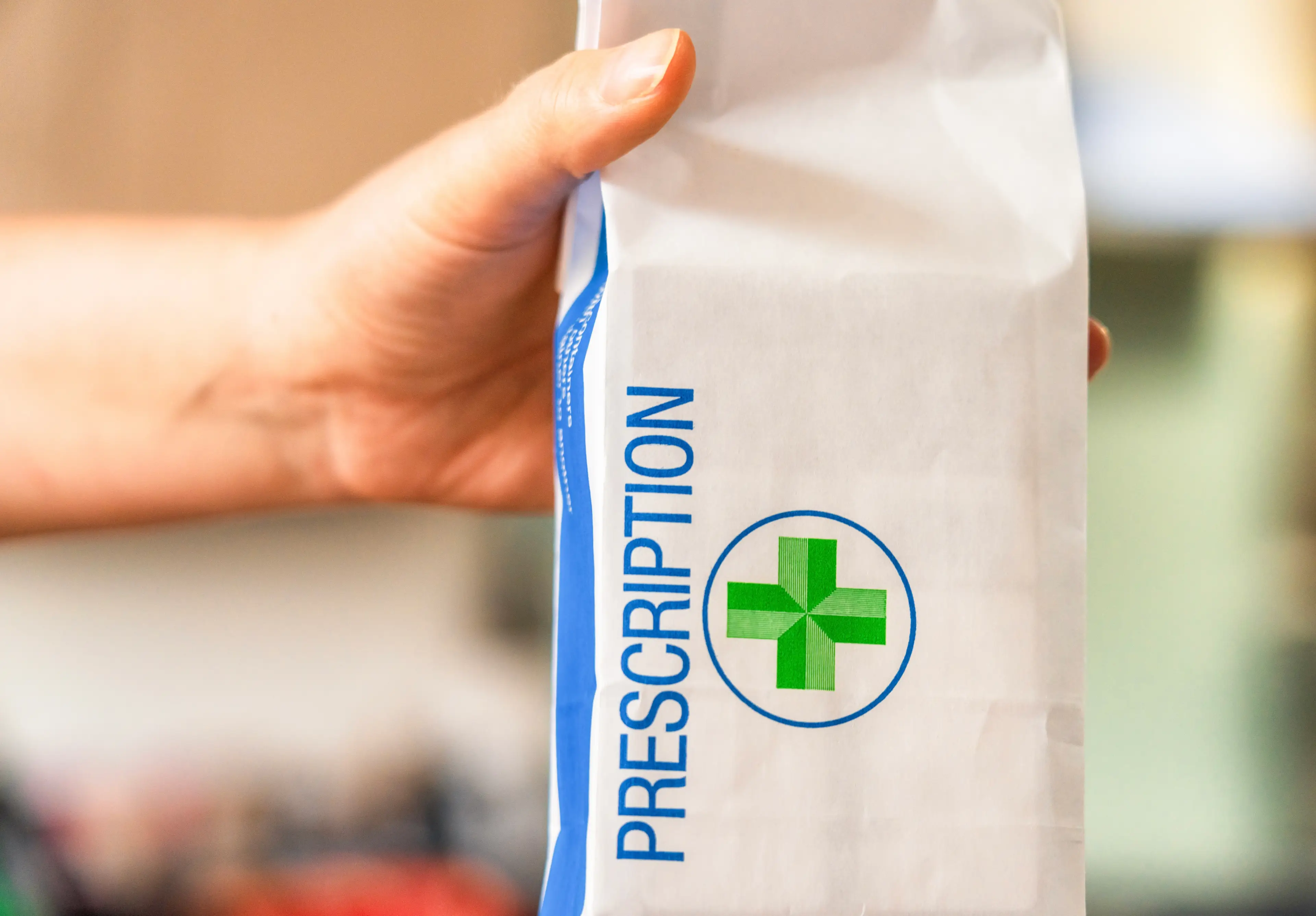
To investigate the implications of taking gabapentinoids, experts at UCL had a look at prescribing data from between 2010 and 2020 which detailed the experiences of 16,827 people who took them.
They analysed the amount of hospitalisations for drug poisoning before, during, and after people were given a gabapentinoid prescription, while also taking into account any other medications patients were given.
The team found that out of the nearly 17,000 subjects who had at least one hospitalisation for drug poisoning during this decade-period, two percent of these had been prescribed some form of gabapentinoids.
As they were looking at ten years of data for each individual, the researchers were able to differentiate the timelines of when they took certain medications and when they did not.
The result of the study found that serious issues appeared to arise after people mixed gabapentinoids with other drugs.
People taking both a gabapentinoid and a benzodiazepine were four times more likely to be hospitalised with drug poisoning in the following four weeks, according to the research.
Meanwhile, those taking a gabapentinoids alongside an opioid doubled the risk of drug poisoning in the first four weeks.

Out of the 16,827 people who were analysed, 89 percent of these took the painkiller alongside opioids at some point, while 55 percent had them while also taking benzodiazepines.
According to the researchers, the findings suggest that 'gabapentinoids are often started during periods of already heightened vulnerability to drug poisoning' and this risk remains 'modestly elevated' during treatment.
When opioids or benzodiazepines are co-prescribed, this risk is 'further elevated'.
That's why the experts at UCL want medical professionals to be cautious of the state of 'increased vulnerability' this puts patients in.
Dr Andrew Yuen, from the UCL School of Pharmacy, explained: "A clinician’s decision to prescribe gabapentinoids may sometimes be an attempt to minimise the risk of drug poisoning linked to opioids or other medications.
"While the risk of poisoning did decrease somewhat after patients began gabapentinoid treatment, they still faced an elevated risk of drug poisoning, which suggests that clinicians need to remain vigilant to the risks."
Dr Mann added: "Our findings do not suggest that gabapentinoids are unsafe or should not be prescribed, but clinicians should be cautious when prescribing them, particularly if a patient is taking other medications as well, and clinicians should closely monitor patients who are taking them."
 Olivia Burke