
Official warning as serious typhus disease hits record case numbers

An outbreak of a disease 'as old as the plague' has led to health officials issuing a warning in the state of California.
According to the Los Angeles County Department of Public Health, a record number of flea-borne typhus cases were reported across the state. The number of recorded cases across 2025 for California stands at 277, with 165 of those coming from Los Angeles County.
So why is this a problem?
What is flea-borne typhus?
Flea-borne typhus is a disease which has been around for hundreds of years, with one scientist telling SFGate that it is 'as old as the plague'.
According to the US Centers for Disease Control and Prevention, flea-borne typhus is caused by a bacterium known as Rickettsia typhi.
Advert
The disease is spread when a flea bites an infected animal, such as rats, cats and opossums, causing the flea to remain infected for the remainder of its life.
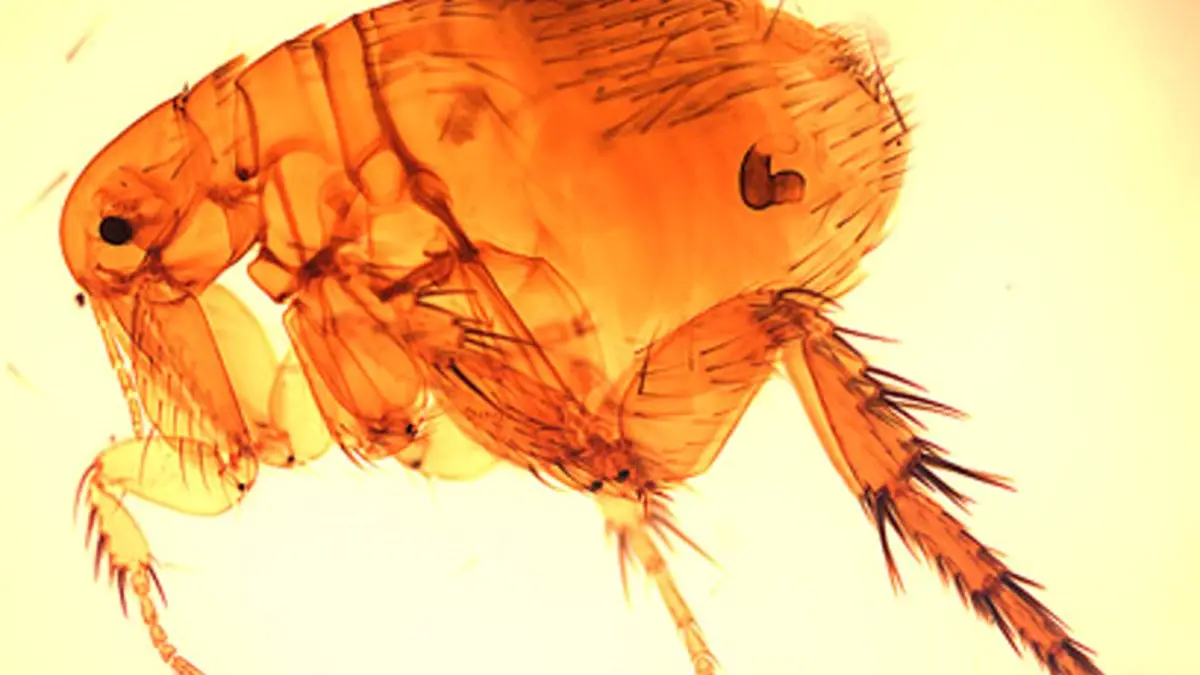
When an infected flea bites a person, it also leaves excrement containing the bacteria, which can enter the bloodstream when a person scratches the site of the bite, leading to infection.
Transmission can also be caused if the bacteria comes into contact with the eyes or a person breathes in flea dirt.
Symptoms of flea-borne typhus include:
- Fever and chills
- Body aches
- Headache
- Loss of appetite
- Nausea
- Vomiting
- Stomach pain
- Rash
- Cough
Flea-borne typhus cannot be spread from person to person.
Severe illness can occur in some cases, with Los Angeles County Public Health officials noting that nine out of 10 people infected were hospitalised. However, deaths are rare.
The cases included a wide range of ages, from an 85-year-old down to a one-year-old child.
Thanks to the advancements in modern medicine, flea-borne typhus is typically treated with antibiotics.

How can you limit the spread of flea-borne typhus?
Following the spike in cases, public health issues have now issued a warning, reminding people of the necessary steps required to avoid a continued rise in infections.
"Flea-borne typhus can cause serious illness, but it is preventable with simple steps," Los Angeles County health officer Dr Muntu Davis said in a statement. "With cases at an all-time high and most requiring hospitalisation, it’s critical that people take simple steps now, such as routinely using flea control on their pets, avoiding contact with stray animals, and preventing wildlife from living in or around their homes."
Key prevention tactics include:
- Treating your pets with effective flea medication
- Washing pet bedding and hoovering your home regularly
- Not petting or feeding stray animals
- Remove rubbish from outside your home to discourage visitors and seal up holes where rodents can enter
 Brenna Cooper