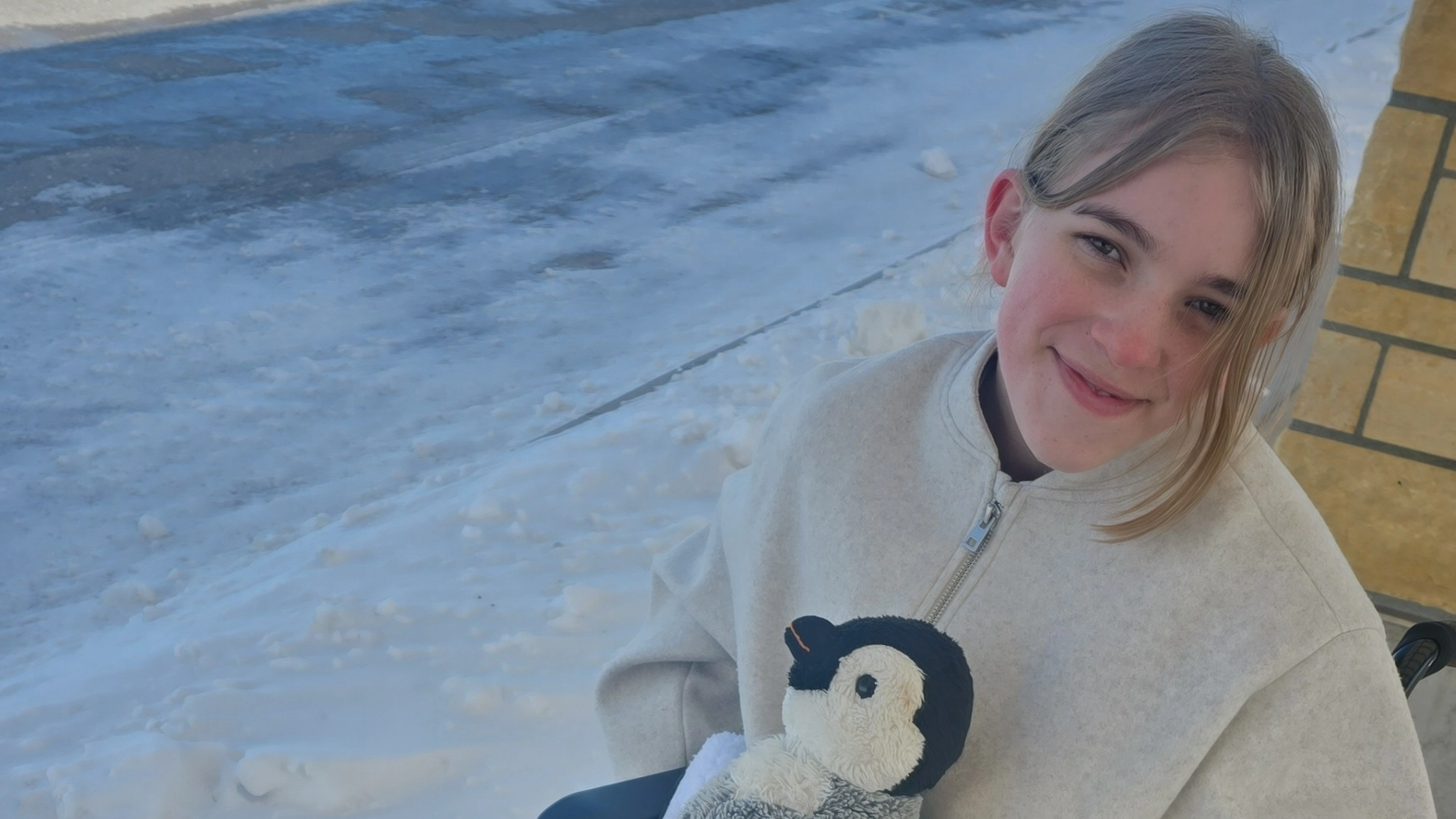
Teenager, 13, with extremely rare condition facing £750k bill for single dose of miracle medicine

A teenager suffering from a rare condition has been forced to accept that she may lose all mobility in her legs unless she can qualify for a potentially life-changing miracle medication.
In 2024, when Elsie was just 11, she was diagnosed with Charcot-Marie-Tooth disease type 4J (CMT4J), a rare and progressive condition which affects the peripheral nerves.
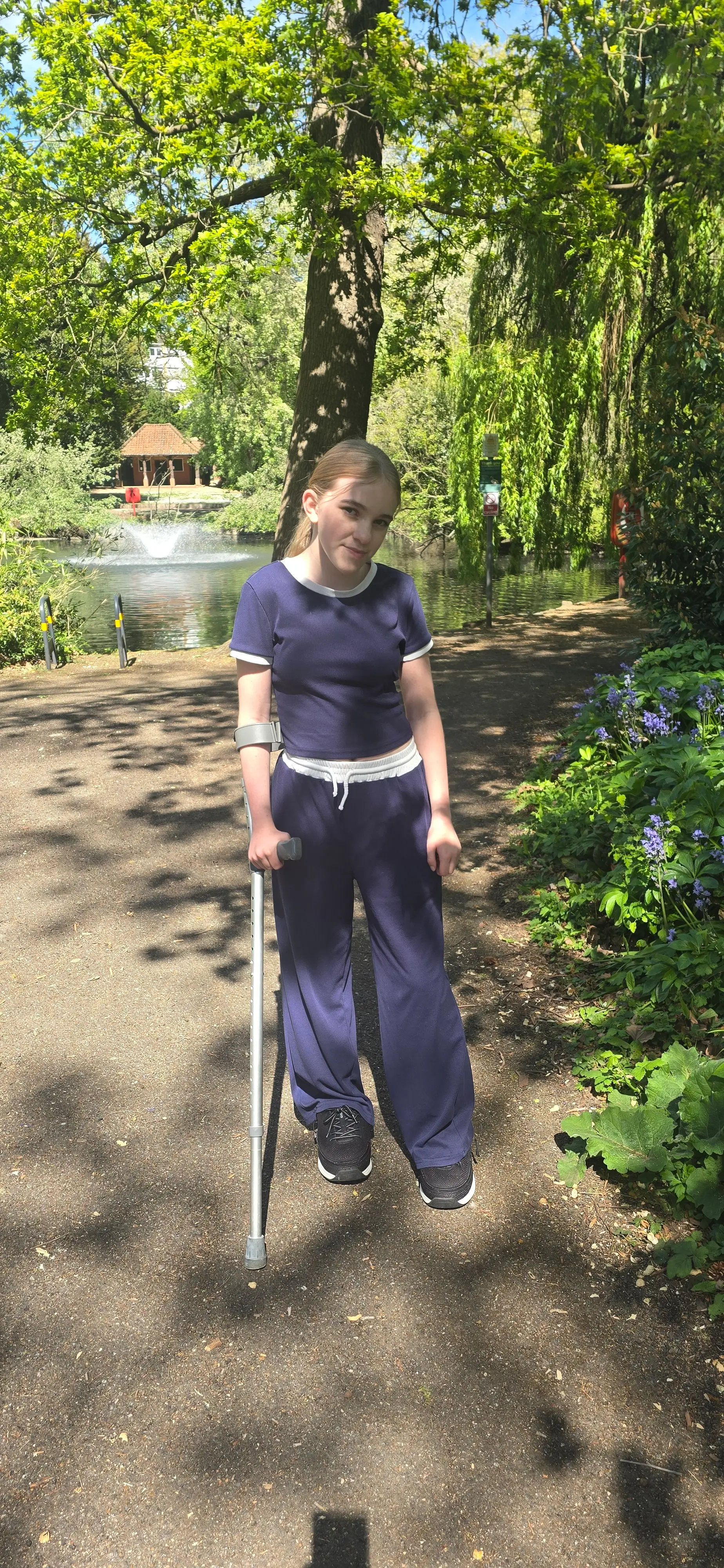
The condition causes muscle weakness and over time can lead to wheelchair dependence, quadriplegia, respiratory complications, and a shortened life expectancy, with 13-year-old Elsie now forced to use mobility aids every single day.
However, the family were given a glimmer of hope after Elsie recently took part in a historic study in the US, with a groundbreaking gene therapy trial for CMT4J now set to take place later this year.
Advert
The condition is caused by changes in genes that affect the peripheral nerves, and when they are damaged, they can no longer connect movements or carry messages to the brain as well.
Unfortunately, every single copy of this gene therapy can cost between $500k and $1 million to produce, and there's only eight on offer.
But if Elsie is fortunate enough to be selected in the trial, and the gene therapy is successful, it can not only slow or stop the affects of this devastating disease, but also potentially reverse the damage that has already been done.
Elsie's mother Cassie Chappell spoke to LADbible about the early signs that Elsie showed, her diagnosis, her hopes for the trial and how the family's life could be changed forever with this trial.
What were the early signs of Charcot-Marie-Tooth disease?
Cassie made it clear that the road to a diagnosis was a long one, as Elsie had been struggling with walking from as early as three years old.
She said: "She always wanted to hold your hand, always wanted to be picked up, complained of pain. We just put it down to her being lazy, which looking back now - you feel awful for thinking that. She was very conscious of stairs or climbing up anything.
"It wasn't until she was about five or six that I took her to get some new shoes and I noticed that her ankles were kind of bowing inwards. I took her to the GP because that's not anything that I'd ever noticed before, who then referred her to a physio.
"They initially put it down to her just having flat feet but she just slowly started to decline.The pain was getting worse. She was just falling, tripping just over nothing. And then her physio pushed for sort of tests and was like, there's something neurological going on here. And that was when they did the genetic testing and we got her diagnosis."
What are the symptoms and how could they get worse?
Although Elsie's condition has already declined to the point where she requires mobility aids, the family are of course desperate for her to retain the function of her legs.
Cassie added: "Over the last couple of years, we've seen a decline in her mobility. She's got the crutch, she has a walking frame and a wheelchair for when we're out. She struggles really badly with fatigue and pain. Even now just her trying to get up the stairs is a major struggle. We have been told that she will end up losing the ability to walk and she will become wheelchair dependent. We don't know when that's going to happen."
How could the new trial change the future of CMT4J?
Amid the uncertainty of Elsie's future, and the lack of a cure for CMT4J, the family are now hoping that this new trial could be the answer for the teenager, and others across the world who suffer from the rare condition.
They are fundraising to support CureCMT4J, a charity which was founded by a mother whose daughter also lives with the condition, and it is hoped that if they can raise enough, more copies of the gene therapy will be produced in the future.
Although they wouldn't have to foot the incredibly high bills of producing the gene therapy themselves, there would be a significant cost attached to travelling and staying in the US if Elsie is selected for the trial, but the family are willing to pay that themselves.
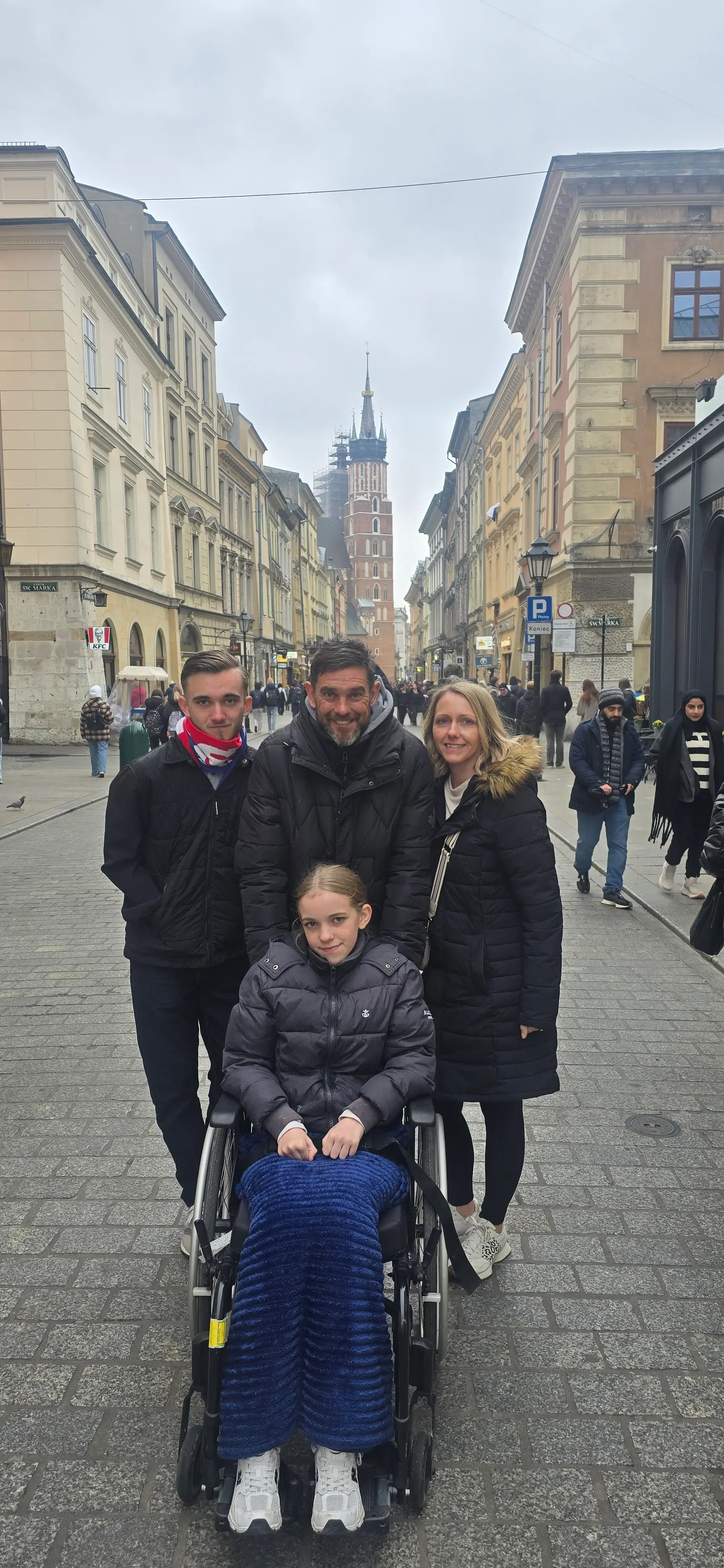
Cassie said: "It does cost up to one million dollars to produce just one copy. Hopefully, if this first trial is a success, they can batch more copies that wouldn't cost as much.
"If it's going to help our daughter, it is an obstacle we're willing to face and we will work through it and of course we will support her."
The family from South East London will be desperate for Elsie to be selected as her condition continues to worsen, and a future where the teenager regains all her mobility would obviously be the ideal.
Cassie concluded: "It would just give her the best possible future. We don't know what that holds for her at the moment and and having this gene therapy could reverse some of the symptoms. So, it can be life changing. We've got to keep everything crossed and just try and raise as much as we can."
You can donate to the family's fundraiser here.
 James Moorhouse