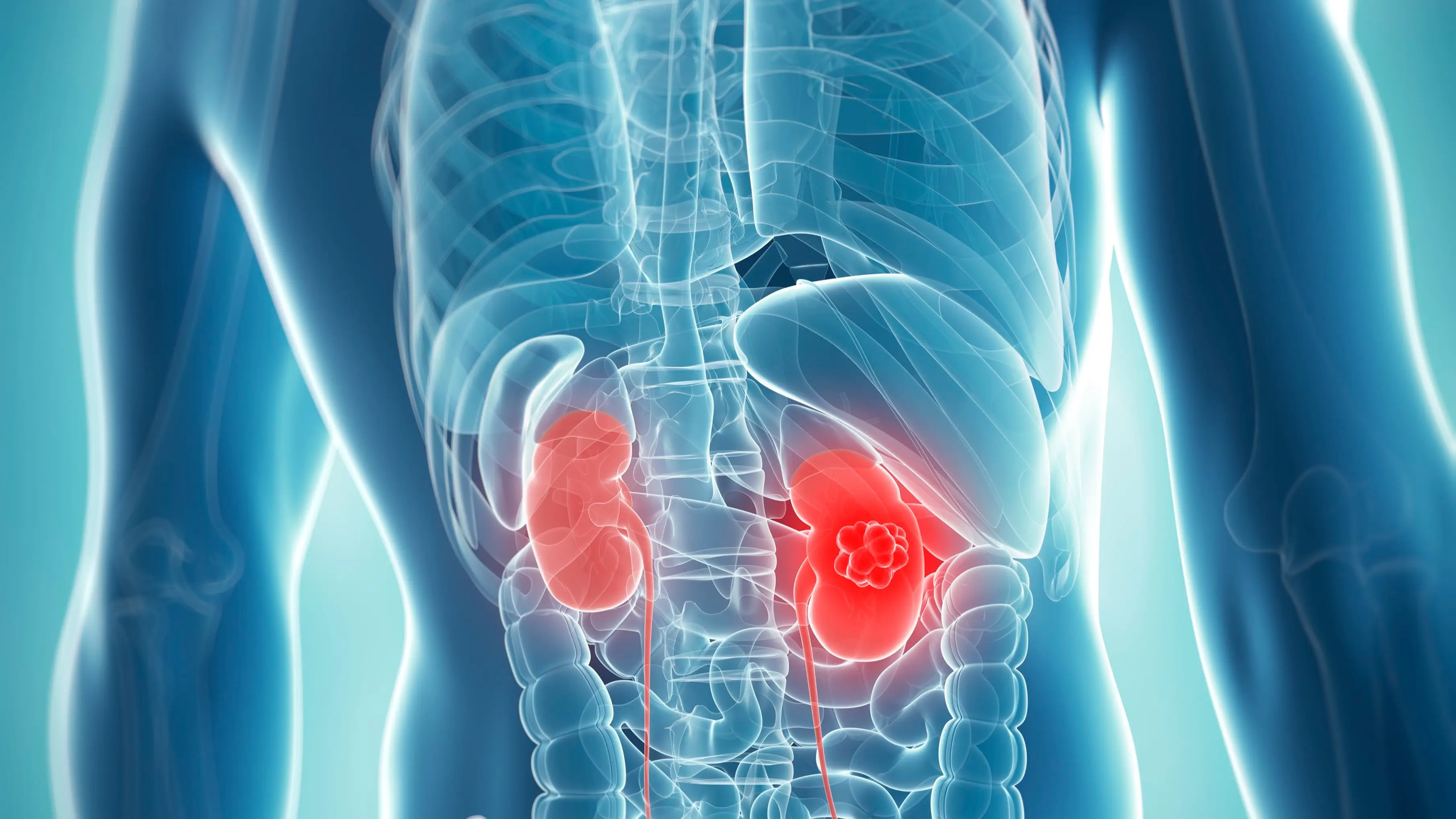
Common symptoms of kidney cancer to be aware of as cases are on rise

The National Institute for Health and Care Excellence (NICE) has published new guidance on how to better diagnose and treat kidney cancer, given that cases are on the rise in the UK.
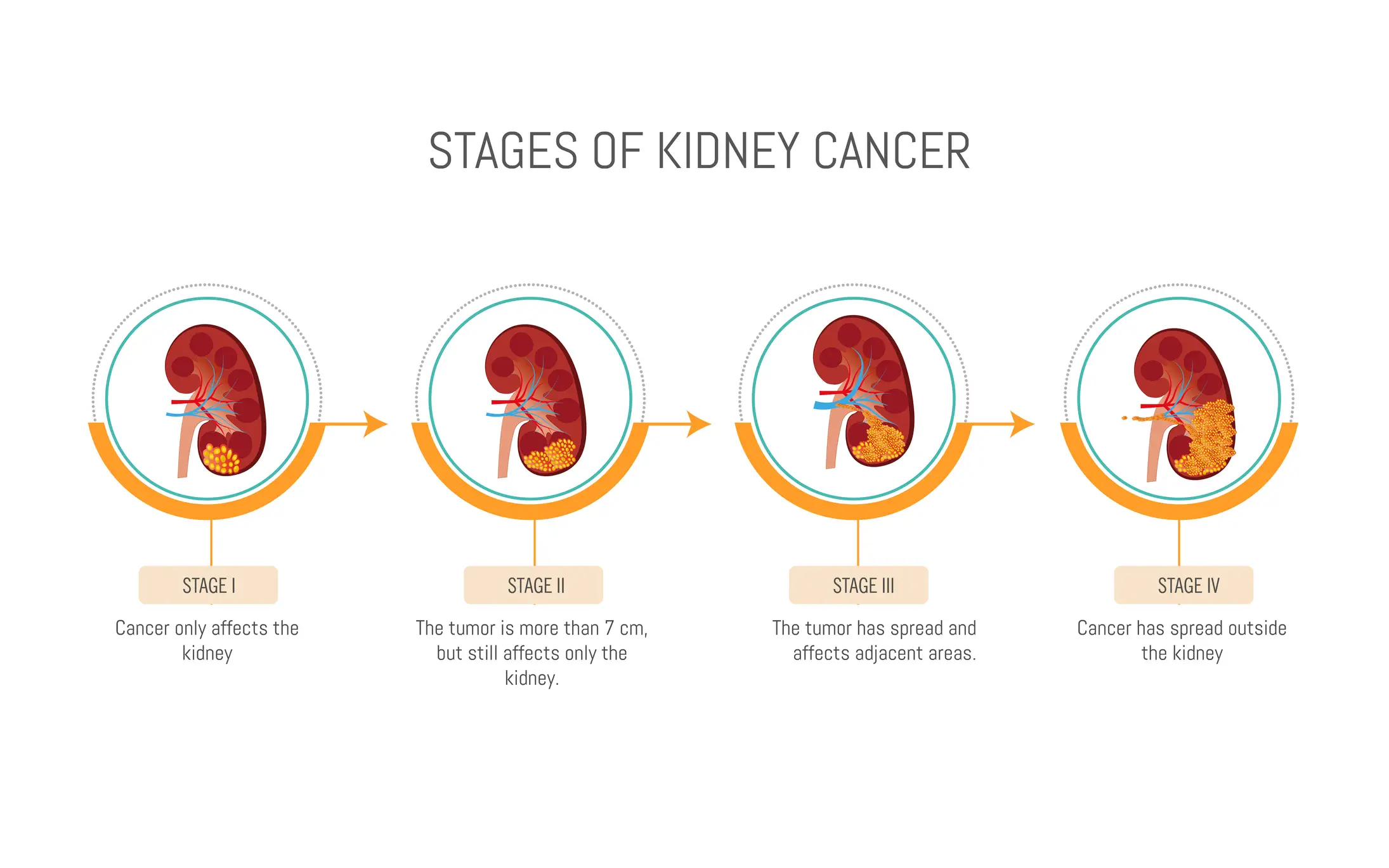
Kidney cancer now makes up one in 25 new cancer diagnoses in Britain and affects 14,000 people each year.
Cases have increased by about 25 percent over the last decade, while men make up 63 percent of cases.
While the exact reason behind the rise in cases is unknown, being a male, over the age of 75, a smoker and overweight are all risk factors that increase the chances of developing it.
Advert
"The kidneys are two small organs either side of your spine below your ribs. They remove waste and extra fluid from the blood, turning it into pee," the NHS explains.
"How serious kidney cancer is depends on where it is in the kidney, how big it is, if it has spread and your general health."
What are the symptoms of kidney cancer?

According to the NHS, 'there are no obvious symptoms of kidney cancer'. However, when they do occur, they can include:
- Blood in urine
- Lump or swelling in the back, under the ribs, or in the neck
- Pain between the ribs and the waist that does not go away
- Loss of appetite or unexplained weight loss
- Tiredness or having no energy
- A high temperature that does not go away
- Heavy sweating, including at night
The health service also notes that 'some of these symptoms are common and can be caused by many different conditions', but stresses the importance of getting them checked out by a doctor.
New national kidney cancer guideline
A new national guideline aimed at improving the diagnosis and treatment of kidney cancer has been developed under Grant Stewart, who co-directs the Urological Malignancies Virtual Institute at the University of Cambridge.
The guidance, published by NICE, aims to standardise the way kidney cancer is managed across the NHS and ensure patients receive the most effective care.
NICE's paper focuses on renal cell carcinoma, the most common form of kidney cancer, and provides recommendations for every stage of care, from diagnosis, scans and biopsies to monitoring, surgery and drug treatments for patients.
One of the most important changes is the recommendation that more patients with suspected kidney cancer should receive a biopsy.
A biopsy involves inserting a needle through the skin into a kidney tumour during a CT or ultrasound scan to collect a small sample of cells.
Stewart, who is also Consultant Urological Surgeon at Addenbrooke’s Hospital, said: “By offering more patients with a kidney lump a biopsy, clinicians can tell patients if the lesion is cancer or benign and if they need to consider a treatment like surgery, or if they can avoid these treatments which do have some risks associated with them.
“In Cambridge, we have developed a one-stop biopsy clinic for kidney cancer, so we can biopsy more patients while reducing the time patients wait between presentation and diagnosis to half the time for the traditional multi-appointment route.”
If you’ve been affected by any of these issues and want to speak to someone in confidence, contact Macmillan’s Cancer Support Line on 0808 808 00 00, 8am–8pm seven days a week.
 Anish Vij