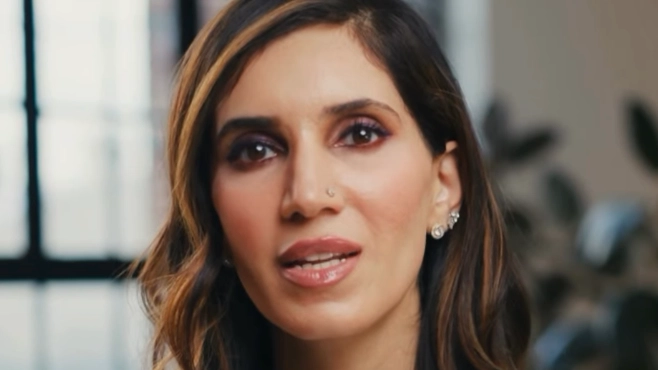
Surgeon says all people that live past 90 share common habit

A vascular surgeon has shared one habit she believes is the secret to living into your 90s, and it's not good news for those of us with desk jobs.
Dr Rema Malik has revealed the one habit all of her longest-living patients have in common and it's simply never letting their blood 'sit still.'
The medical professional has suggested people should be 'actively training' their veins, rather than 'just hoping they hold up,' to achieve longevity.
"We study long-living populations for their diets, their stress levels, and their genetics, but as a vascular surgeon, I look at their ultrasound scans," she told her 103,000 followers on Instagram.
Advert
"I recently treated a 92-year-old patient who had the clear, flexible arteries of a 50-year-old."
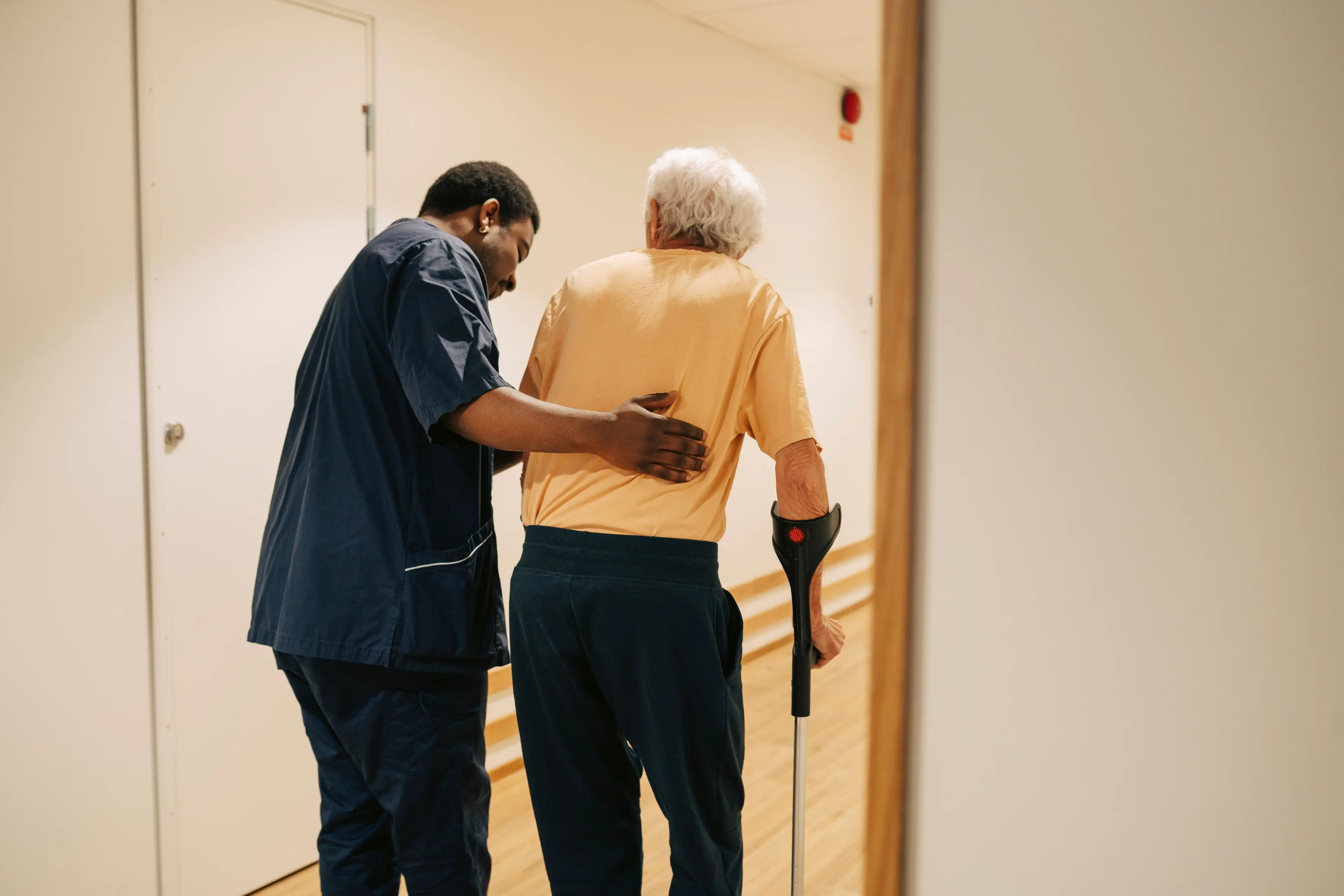
When she asked the patient about his lifestyle, his daily routine reflected medical research has often revealed that living longer.
According to Dr Malik, the main sign that a person is ageing healthily is something called endothelial flexibility, which refers to the blood vessels' ability to smoothly expand and contract, allowing blood to move freely through the body, delivering oxygen and avoiding plaque from building up.
While people are often led to believe that intense exercise is the key component to cardiovascular health, Dr Malik says consistent, low-grade movement throughout the day is much more important.
"In many of the longest-living patients, circulation is constantly being supported by small, simple habits repeated every day," she said, adding that one of the easiest habits to build is the 'post meal flush.'
The habit simply means to go on a short walk within around 30 minutes of eating, which helps the body manage blood sugar levels while boosting circulation at the same time.
It works by acting like a pump for your circulation, pushing blood through even the smallest of capillaries before it has the opportunity to stagnate.
Another thing you can do to try and improve your endothelial flexibility is to end your showers with around 30 seconds of cold water, which acts by 'exercising' your blood vessels, which Dr Malik explains are muscles and need working out too.
This method works by forcing the veins to rapidly constrict under the cold, before expanding again once you step out of the cold water.
She also said that many of her older patients elevate their legs, raising them above their heart for around 15 minutes to allow blood to flow from the lower limbs back into the kidneys more easily, reducing pressure in the leg veins and helping remove metabolic waste.
Topics: Health
 Emma Rosemurgey