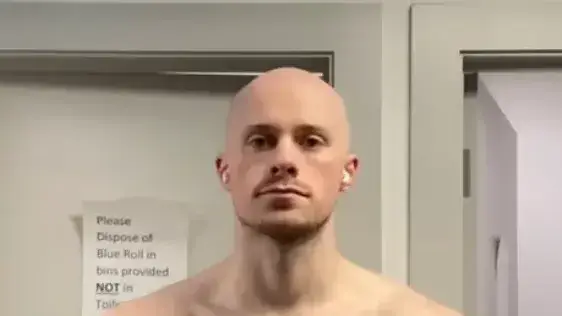
All benefits of taking creatine as man shares effects of not taking it for three months

It seems creatine's health benefits aren't limited to push, pull and leg day.
Creatine is a natural compound produced from amino acids in the liver, kidneys, and pancreas. It's stored mainly in muscles to provide rapid energy during high-intensity exercise.
Cleveland Clinic says the organs deliver 'about 95 percent of the creatine to your skeletal muscles to use during physical activity. The rest goes to your heart, brain and other tissues.'
As well as muscle-building, some research has suggested that creatine could also help with chronic conditions.
Advert
Creatine may help protect against cognitive decline, reduce the risk of certain cancers, and with symptoms of long Covid.
Some studies suggest it may also combat cognitive decline by supporting the brain’s energy supply, particularly during periods of mental fatigue or aging.
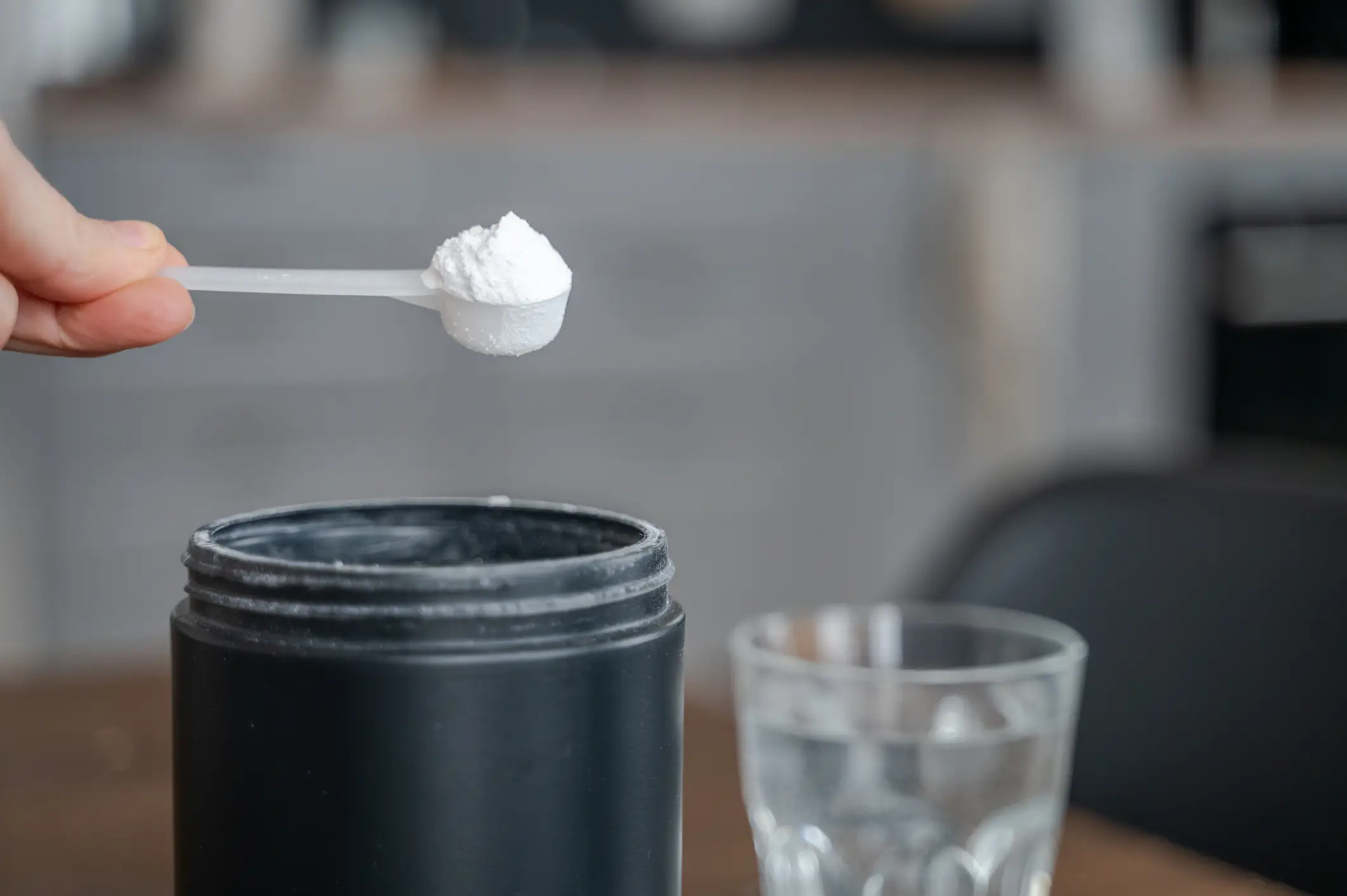
Reduce the risk of certain cancers
Creatine may help support the body’s energy system, which is important for healthy cells. Some researchers believe this could help lower the risk of certain cancers because well-functioning cells and a stronger immune system may better protect the body, a study posted in the journal Frontiers in Nutrition found.
Reduce symptoms of long Covid
Creatine is also being studied for people with long Covid. Many people with long Covid feel very tired and weak.
A clinical study published in the journal Food Science & Nutrition found that creatine supplementation improved several long-Covid symptoms in patients.
It may help by improving the body’s energy production, which could reduce fatigue and support muscle strength.

Sleep deprivation
A study published in Scientific Reports has even suggested that a single high dose of creatine may temporarily help the brain cope with sleep deprivation.
Author Ali Gordjinejad tested this out by giving 15 participants either a creatine supplement or a placebo to test their reaction times, memory and thinking speed.
Surprisingly, the group who took creatine processed information much faster than the placebo group. Gordjinejad believes this may be because sleep deprivation stresses brain cells, increasing their energy demand.
If you stop taking creatine for three months
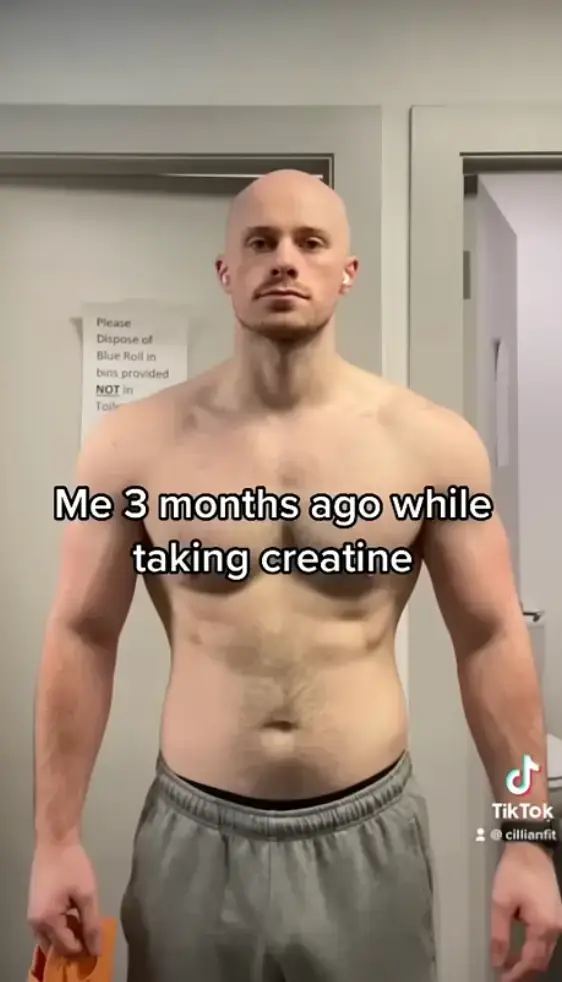
TikToker Cillian Domican posted a video explaining what happened to his body when he stopped taking creatine for three months.
Nutritionist and fitness expert Alan Aragon told Steven Bartlett's Diary of a CEO podcast: "There’s almost nothing creatine can’t do.
"It’s got the musculoskeletal benefit. Believe it or not there’s even benefits for creatine on joint health."

"There are things like improved glucose control, improved memory, different domains of cognition can be enhanced by creatine," he added.
Topics: Health
 Anish Vij