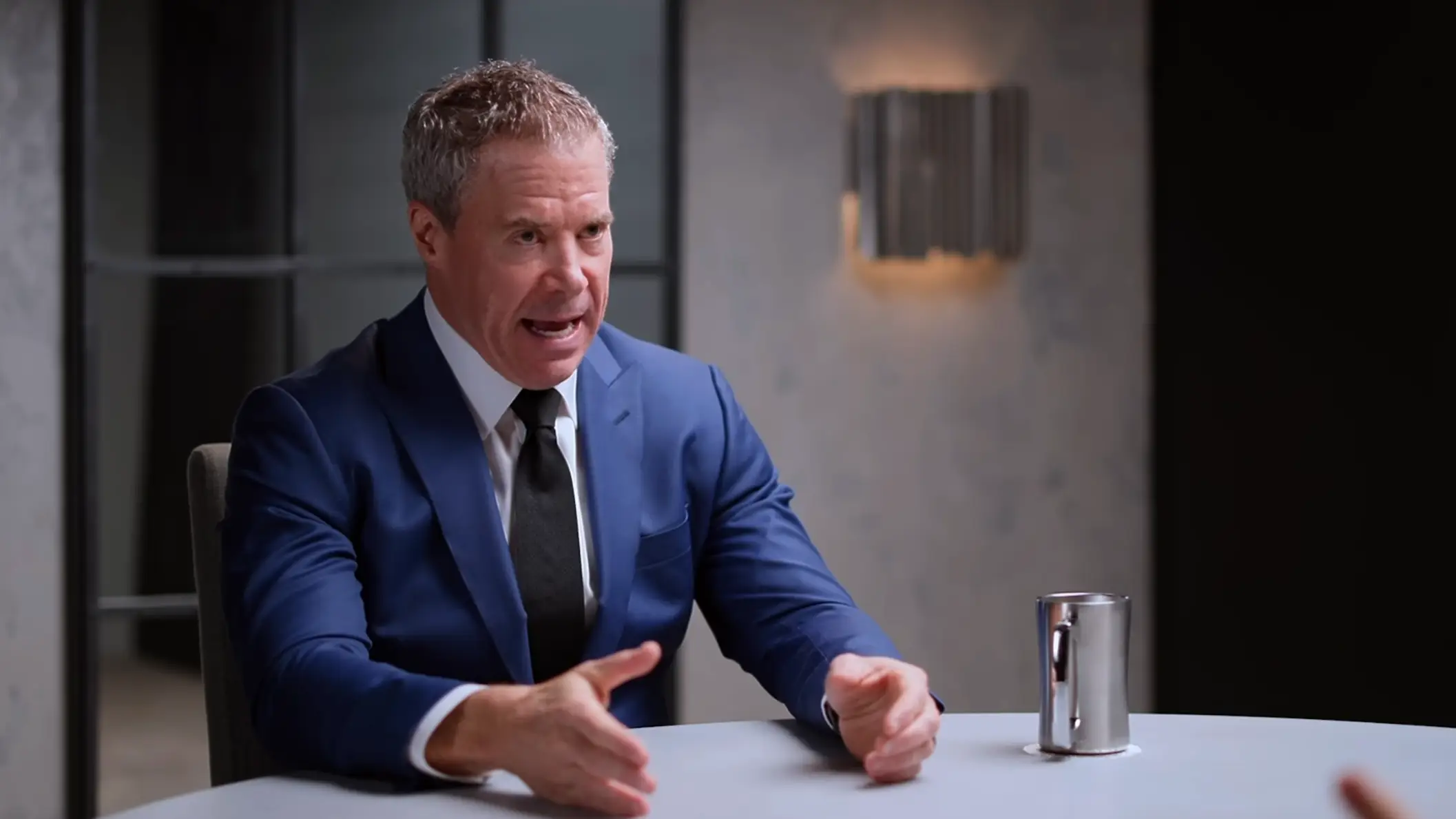
Ex-Secret Service agent shares why you should never label someone a narcissist

A former Special Service interrogator has explained the reason why we shouldn't label people a narcisisst after a difficult interaction.
It's a phrase we hear a lot these days. Open social media and you'll find countless posts from people talking about how to spot narcissists, what to do if you end up in a romantic relationship, with one and common traits associated with narcissism.
There are also accounts of people who've been diagnosed with narcissistic personality disorder (NPD) detailing how it impacts their day-to-day lives and interactions. One expert even believes that you can tell if a person is a narcissist from simply looking at them.
However, it's a term ex-Secret Service interrogator Desmond O'Neill doesn't believe we should be chucking around so quickly.
Advert
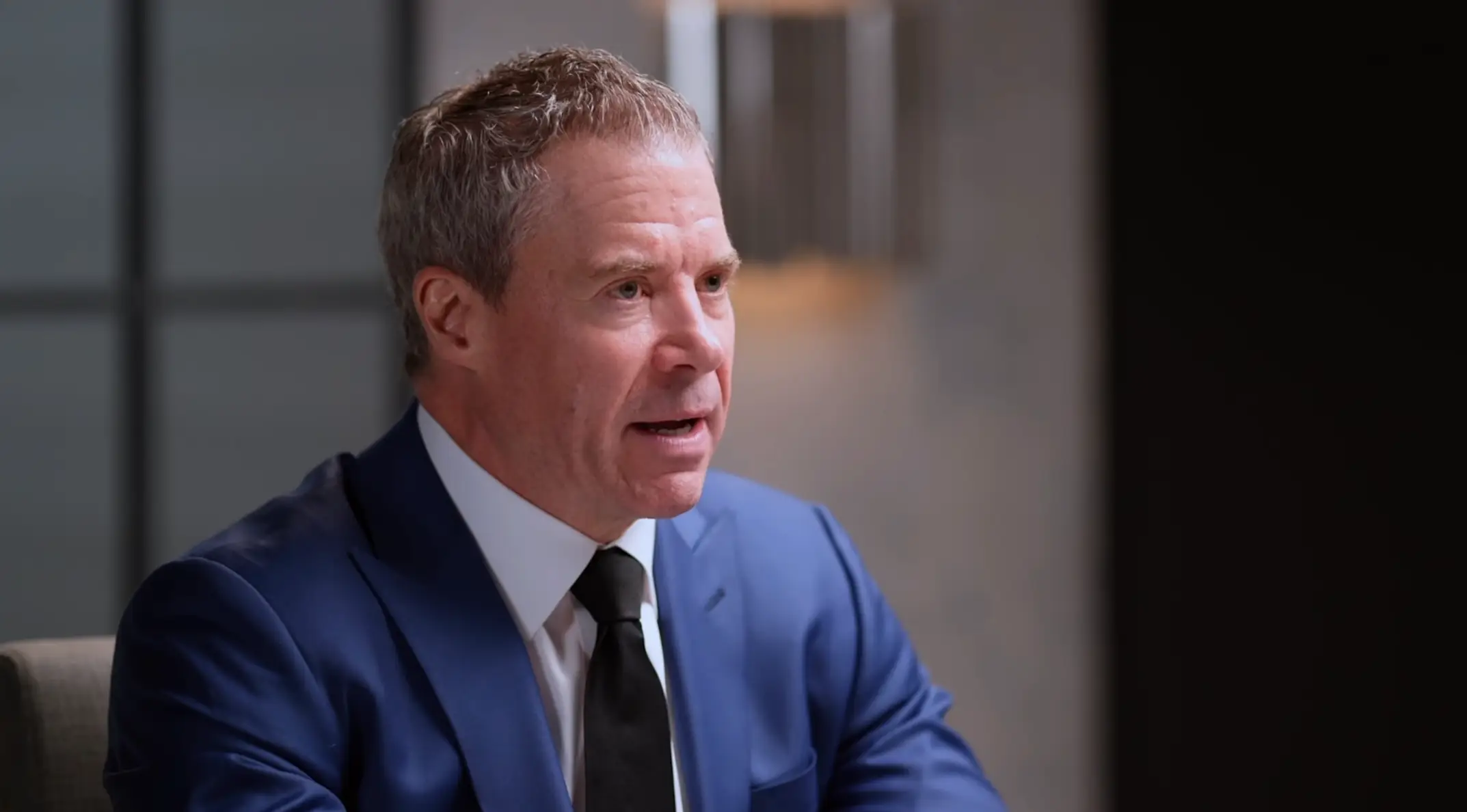
During a recent appearance on Steven Bartlett's Diary of A CEO podcast, O'Neill discussed behaviours which he believes reveal a person to be a liar and why he doesn't believe in labelling people during difficult conversations.
The topic came up after Bartlett enquired about how to communicate with someone who is a narcissist, which prompted O'Neill to ask why he decided to use the term. Bartlett described his understanding of a narcissist as someone who as '[having] low empathy, self-centred [and] a little bit aggressive'.
"The reason I ask," O'Neill explained. "Is because if you just blatantly label somebody as being like, 'This person’s a narcissist,' you’ve just made it easy for yourself.
"You’ve just put blame on them and you’re not going to be able to really understand who this person is and why they are the way they are."
He went on to explain that instead of implying a person is 'self-centred' or unempathetic or 'aggressive', we should take away any labels in order to make sure you're able to have a more productive conversation.
So, how do you resolve a difficult conversation with a person who you believe to be a narcisisst?
Instead of being quick the other person a narcissist, O'Neill explained that we should ask the other person if there's an amicable way to have the discussion and move the relationship forward.
"If you’re engaging them and you’re the one who wants to really have this conversation, and you’re hoping that you can find some type of resolution," he said.
O'Neill also suggested approaching difficult conversations with specific terms in order to get the best resolution.
Using the example of a co worker who is being rude towards you, he said: "Make [them] explain to you what it is. Because I am not understanding your anger and your venom and your need to insult me.
"It does not mean that that’s going to fix it," he added. "[But] I can walk away from that conversation and be like, you know what? I handled that the best I could."
Topics: Community, Mental Health, Podcast, Social Media
 Brenna Cooper