
Doctor explains two important questions Brits should ask their GP before going on omeprazole

According to recent figures, roughly 35 million Brits are currently taking omeprazole – but do we all need to be taking it?
Omeprazole is part of the proton pump inhibitor (PPI) family of drugs, which works by reducing the amount of acid in your stomach, therefore used to treat various digestive conditions, such as heartburn, stomach ulcers and gastro-oesophageal reflux disease.
While the drug was intended to be taken for only a short period of time, but with countless Brits using the tablets to treat chronic heartburn and acid reflux, concerns have been raised over potential side effects.
So if you're dealing with painful stomach acid and are looking for a way to treat it, a doctor has advised to first ask your doctor these two questions.
Advert
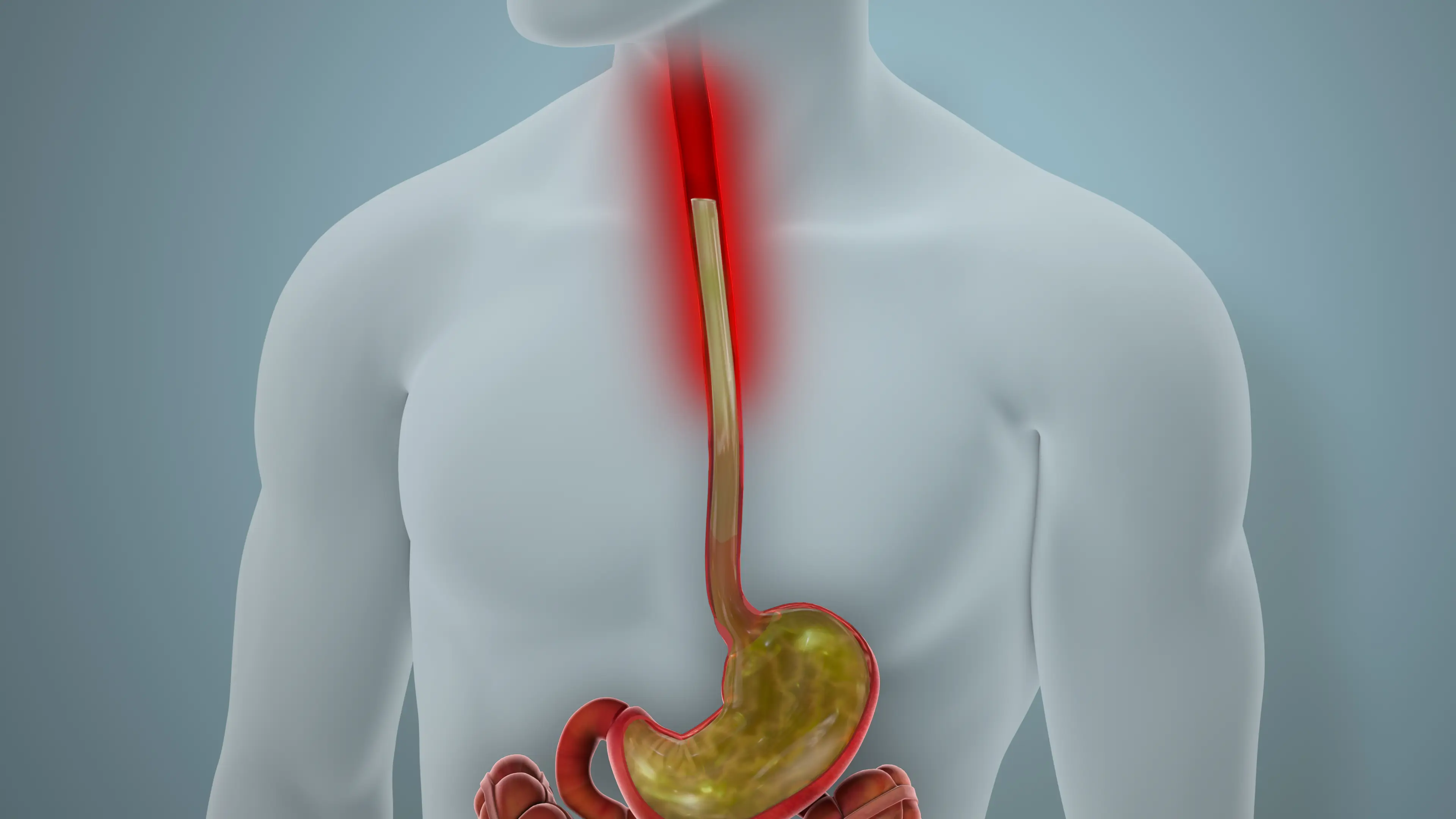
Speaking to MailOnline about the medication, Professor Anthony Hobson, a gastrointestinal scientist who has treated acid reflux patients for over three decades, said that anyone taking the medication long-term should book an appointment with their doctor to discuss whether or not it is the best course of treatment for them.
"Sadly, PPIs have become a crutch for GPs and gastroenterologists," he said.
"Rather than ask patients to make changes to diet and lifestyle, they hand them what feels like a magic pill and let them carry on with their bad habits."
According to NHS guidelines, patients who've bought omeprazole over the counter shouldn't take the medication for longer than two weeks, while most prescriptions should only last for around eight weeks – which Professor Hobson says is long enough for the irritation and inflammation associated with acid reflux to subside.
Instead of continuing on the medication, Professor Hobson suggested that patients should instead ask their doctors if they would benefit from any specific diet or lifestyle changes.
Some patients may even benefit from more extensive procedures, such as endoscopy or even surgery.

What are the risks associated with long-term omeprazole usage?
According to the NHS, users can experience a range of common side effects, which include:
- headaches
- stomach pain
- nausea and/or vomiting
- constipation
- diarrhoea
- excess gas
However, if taken over a longer period of time, further complications can occur. The NHS lists some of these side effects as bone fractures, insufficient intake of nutrients such as vitamin B12 and magnesium, and infections, such as C. difficile - a type of bacteria which can lead to diarrhoea.
Some studies have even warned of a potential link to dementia.
According to the Health Service Executive (HSE), taking omeprazole for more than 3 months may lead to lower blood magnesium levels, which can cause tiredness, muscle twitches, and an irregular heartbeat.
Topics: Health
 Brenna Cooper