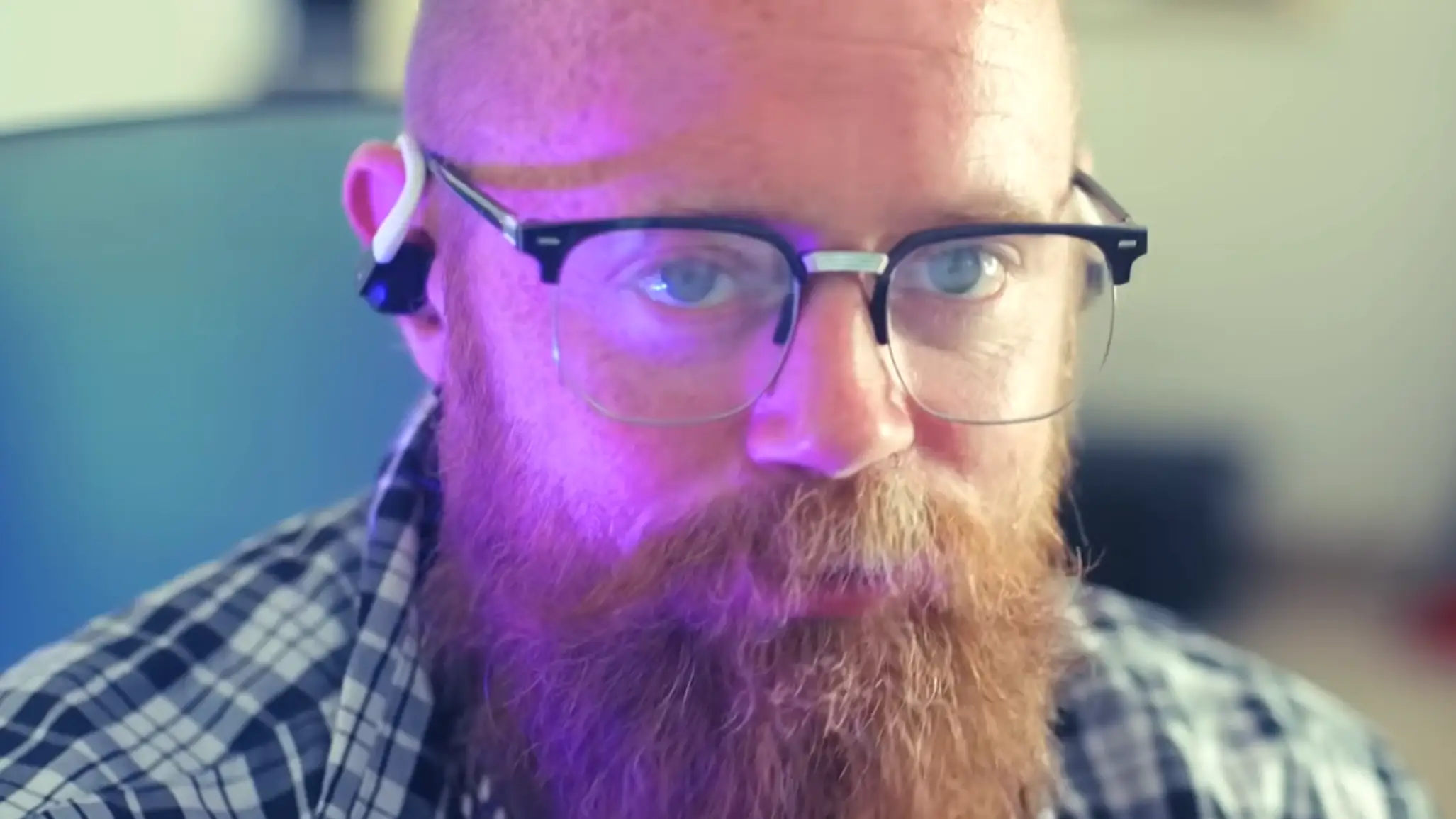
Recovering alcoholic shares official assessment questions that decide if you have drinking problem

Warning: This article contains discussion of alcoholism which some readers may find distressing.
A sobriety content creator has shared the official assessment questions that can help uncover if you have a drinking problem.
Stu runs the YouTube channel Bat Country Alcoholism & Sobriety where he talks about alcoholism and discusses going sober, what alcohol was like for him and the various signs to watch out for that others might recognise within themselves.
Among these topics were the behaviours from him which he now realises were evidence of him being an alcoholic, but at the time he would see it as something normal.
Advert
In a video, Stu shared the official guidelines that are phrased as questions someone might be asked when being assessed for alcoholism. While the questions may vary, they could sound similar to this:
- Drinking more or longer than intended
- Trying to cut down but being unable to
- Thinking about drinking so much you can't think about anything else
- Have you been in trouble because of drinking
- Putting yourself in dangerous situations because of drinking
- Continuing to drink even though it makes you feel bad
- Experiencing alcohol withdrawal
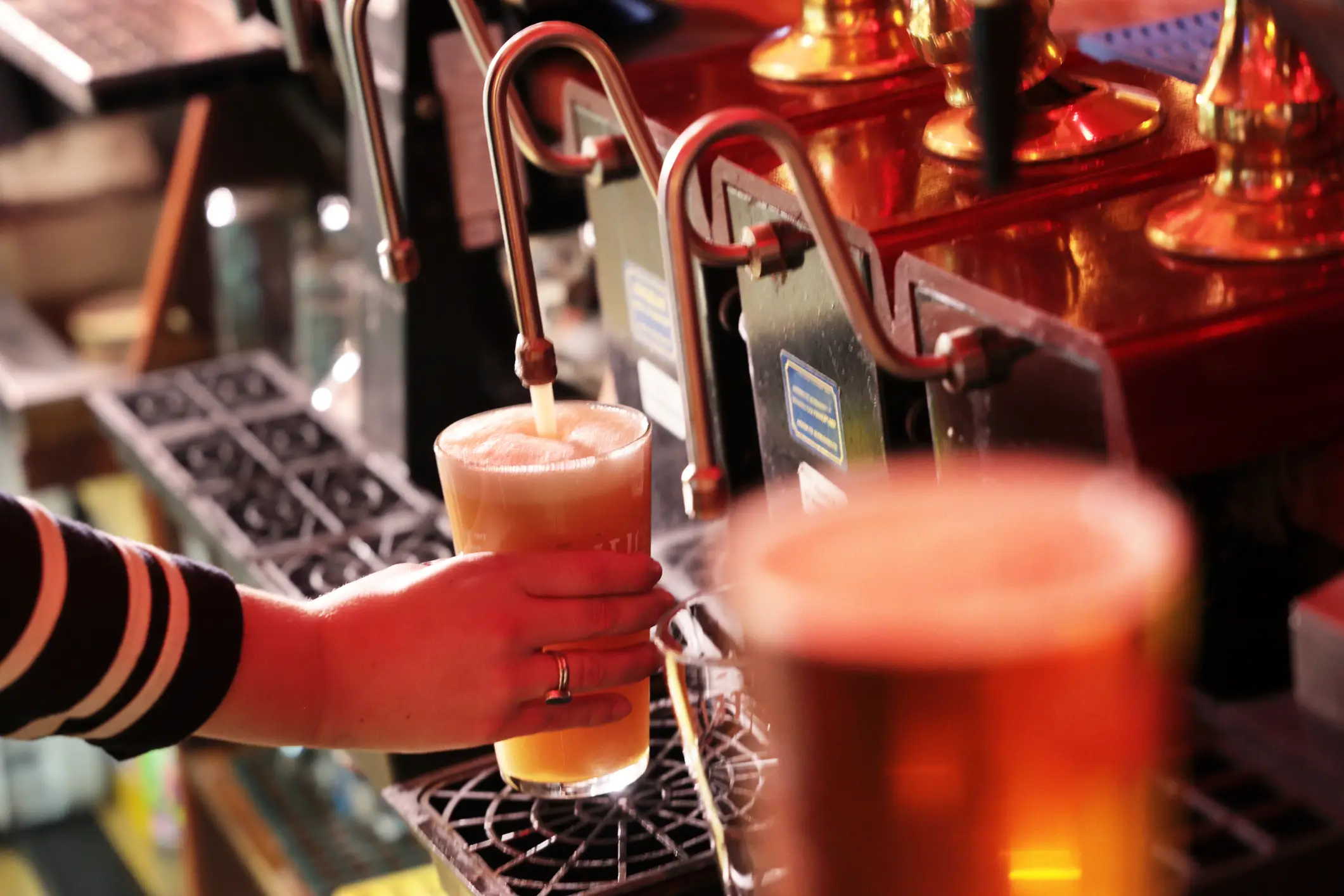
The NHS advises adults to drink no more than 14 units of alcohol a week to reduce the risk of long-term health problems.
Rather than consuming those units in one or two sessions, the guidance recommends spreading them over at least three days and including several alcohol-free days each week.
In more practical terms, 14 units is equivalent to around six pints of average-strength beer or lager (4% ABV), six medium glasses of wine (175ml at 13% ABV), or 14 single pub measures of spirits (25ml at 40% ABV). Drinking more than this, particularly through binge drinking, increases the risk of serious health conditions over time.
The guidance may help you understand, by using real-world examples, if you potentially have a drinking problem.
However, Stu notes that the questions are still quite ‘broad’ and offers up more specific questions you can ask yourself in addition to the official ones.
Although drinking is often a big part of our culture, excessive alcohol consumption can have lasting consequences, and even a single episode of binge drinking may affect your health well beyond the immediate aftermath.
The experiences of people who have stopped drinking highlight the difference abstaining from alcohol can make, with improved sleep quality consistently described as one of the most noticeable and immediate benefits.
People who have reduced or stopped drinking alcohol have reported a range of physical and mental health benefits, including better sleep, improved mood, increased mental clarity and higher energy levels.
Please drink responsibly. If you want to discuss any issues relating to alcohol in confidence, contact Drinkline on 0300 123 1110, 9am–8pm weekdays and 11am–4pm weekends for advice and support.
Topics: Alcohol, Health, Mental Health
 Greg Harris