ladbible homepage
ladbible homepage
  • Home
  • News
    • UK
    • US
    • World
    • Ireland
    • Australia
    • Science
    • Crime
    • Weather
  • Entertainment
    • Celebrity
    • TV
    • Film
    • Music
    • Gaming
    • Netflix
    • Disney
  • Sport
  • Technology
  • Travel
  • Lifestyle
  • Money
  • Originals
    • FFS PRODUCTIONS
    • Say Maaate to a Mate
    • Daily Ladness
    • UOKM8?
    • FreeToBe
    • Citizen Reef
  • Videos
  • Advertise
  • Terms
  • Privacy & Cookies
  • License Our Content
  • About Us & Contact
  • Jobs
  • Latest
  • Archive
  • Topics A-Z
  • Authors
Facebook
Instagram
X
Threads
Snapchat
TikTok
YouTube
Submit Your Content Here
  • GAMINGbible
  • LADbible Group
  • UNILAD
  • SPORTbible
  • Tyla
  • FOODbible
  • UNILAD Tech
Tomb sealed to protect from 'restless dead' has been opened after 2,000 years
Home>News
Published 10:26 16 Mar 2023 GMT

Tomb sealed to protect from 'restless dead' has been opened after 2,000 years

Researchers from KU Leuven believe Romans were ‘fearful of the deceased’s return’ which may explain this rather odd cremation site

Gregory Robinson

Gregory Robinson

google discoverFollow us on Google Discover

A Roman tomb has been opened 2,000 years after it was sealed to protect from the ‘restless dead’ - and what researchers found was truly bizarre.

It seems we may have more than enough reason to be concerned about the ‘restless dead’ based on the findings from archaeologists who examined the site, who noticed unusual things about the tomb in which the remains were found. Lovely news, eh?

The site dates back to 100 to 150 AD and was discovered at the archaeological site of Sagalassos in southwestern Turkey.

The remains belonged to an adult male who was cremated and buried in the same place in what is said to have been an unusual practice in Roman times.

Advert
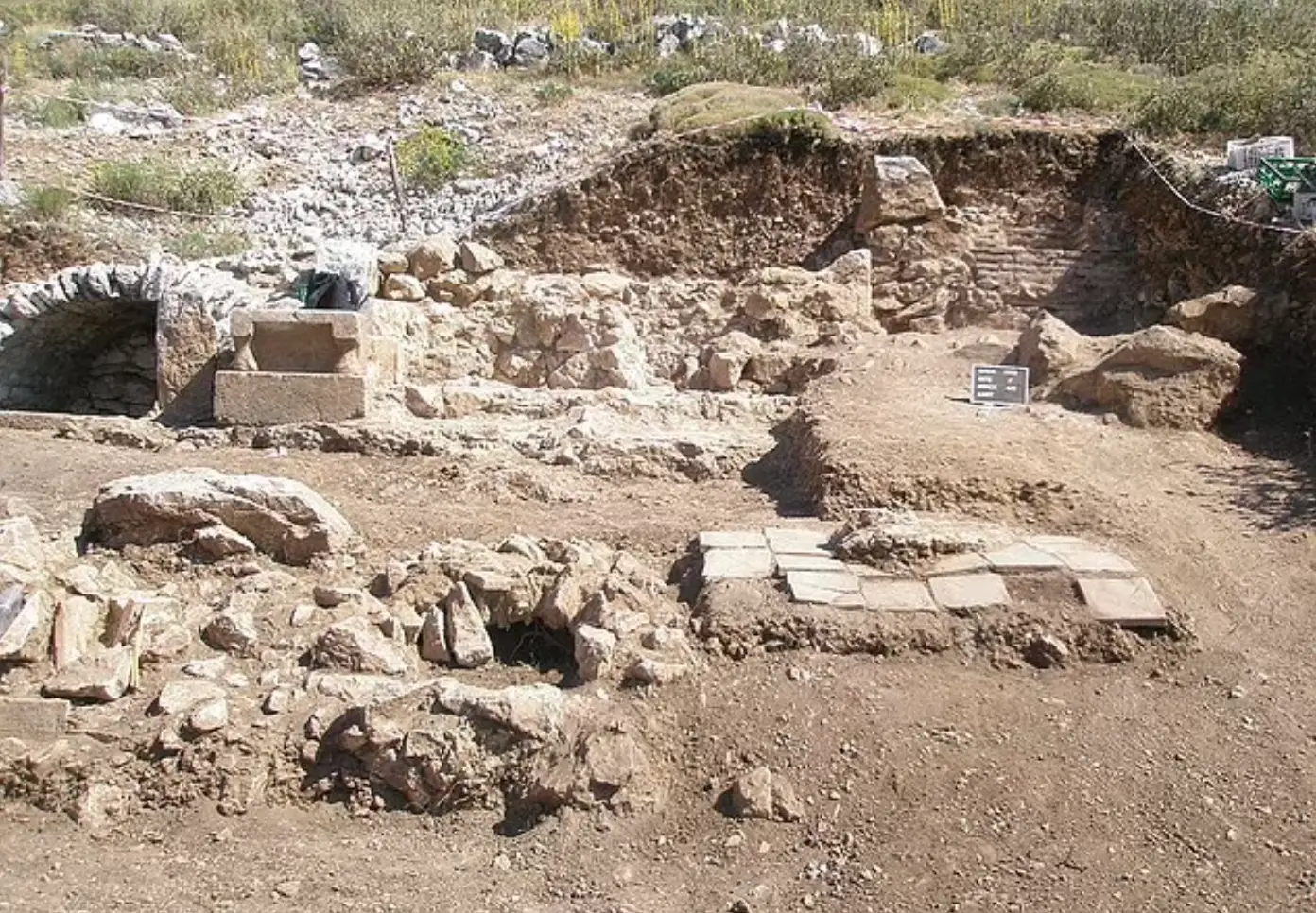
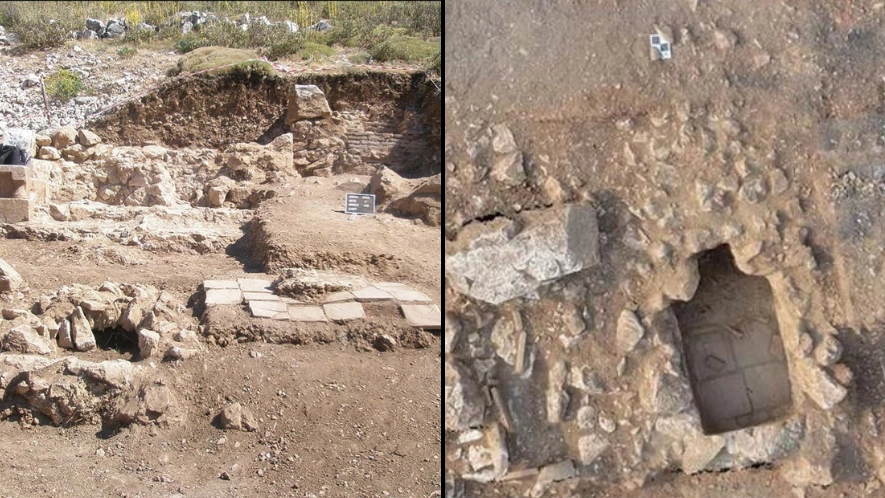
The tomb was opened after 2,000 years.
Sagalassos Archaeological Research Project

Researchers from the Sagalassos Archaeological Research Project found that the tomb had been scattered with ‘dead nails’ when it was sealed which suggests the people back in the day possibly feared that the person inside would haunt them.

The unusual tomb was sealed with 24 bricks that had been placed meticulously on a pyre that was still burning and a layer of plaster, which raised the researchers’ alarm bells.

Typical funeral items such as fragments of a woven basket, remains of food, a coin and ceramic and glass vessels were also found. It suggests that the man was a ‘loved one at the time’ while Johan Claeys, an archaeologist at Catholic University Leuven in Belgium, thinks the ceremony was likely done by his next of kin.

What makes the Sagalassos cremation unusual is that it was performed in place, which researchers could decipher from the anatomical positioning of the remaining bones. Usually, cremations consisted of a funeral pyre before the collection of the remains which were placed into an urn and then buried in a grave or put in a mausoleum.
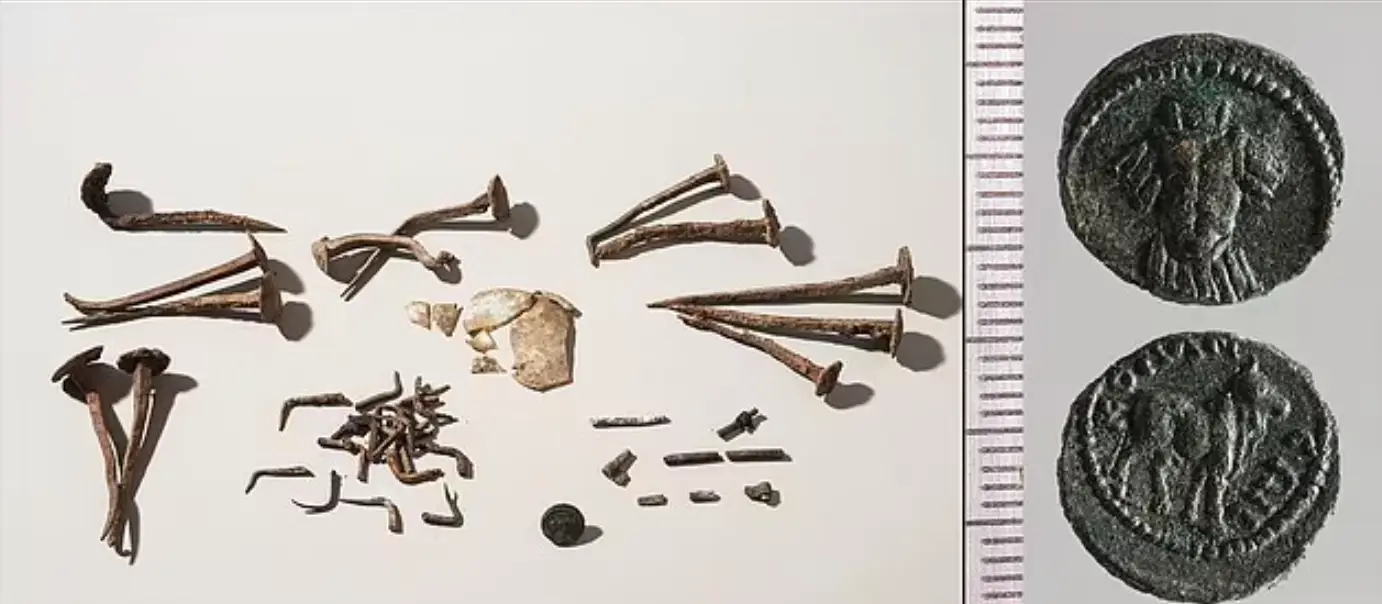
41 bent and twisted nails were found at the archaeological site.
Sagalassos Archaeological Research Project

Claeys said the way the burial site was closed off possibly indicates that the living wanted to shield themselves from the dead man.

“The burial was closed off with not one, not two, but three different ways that can be understood as attempts to shield the living from the dead — or the other way around,” he shared with Live Science.

Claeys said while coverings of tiles or plaster and bent nails are all known to have existed in the Roman era, the combination of all three was never seen before... until now.
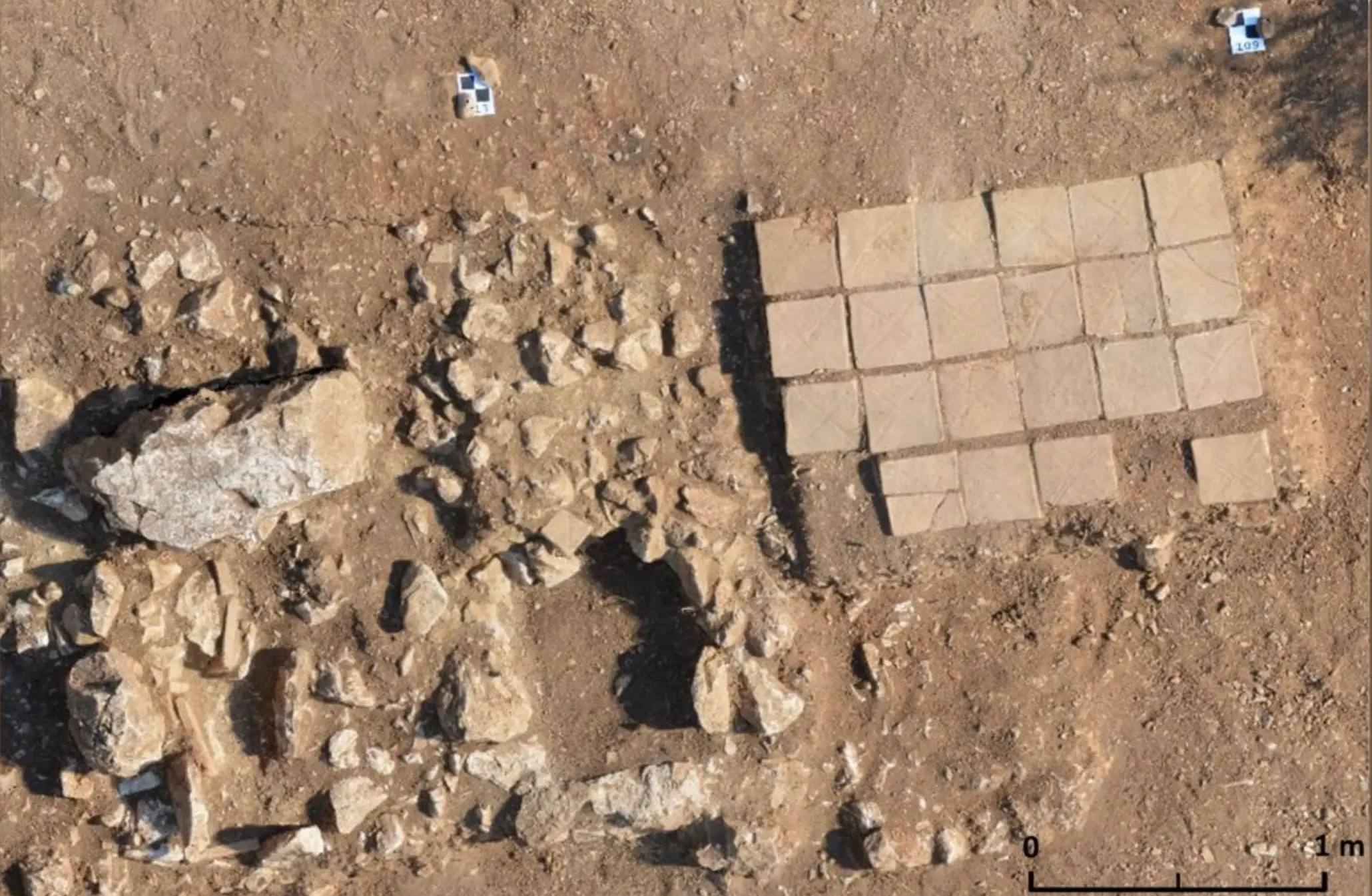
Researchers believe the man was buried by his next of kin.
Sagalassos Archaeological Research Project

He explained that this combo suggested a fear of the ‘restless dead’.

The researchers explained in their paper: “The cremated human remains were not retrieved but buried in situ, surrounded by a scattering of 41 intentionally bent nails, and carefully sealed beneath a raft of tiles and a layer of lime.

“For each of these practices, textual and archaeological parallels can be found elsewhere in the ancient Mediterranean world, collectively suggesting that magical beliefs were at work.”

In the study, which was first published in the 21 February issue of the journal Antiquity, researchers concluded that the Romans living in Sagalassos were ‘fearful of the deceased’s return’.

Featured Image Credit: Sagalassos Archaeological Research Project

Topics: News, World News, Science

Gregory Robinson
Gregory Robinson

Recommended reads

Man who's injected Melanotan II for years shares before and after photosReddit/n3glvTUI flights from UK airports diverted due to jet fuel shortages - and fears grow despite resumptionJakub Porzycki/NurPhoto via Getty Images)Ozempic users are experiencing unusual 'Darth Vader' side effectGetty StockMicrosoft employees explain why Bill Gates had ‘replica mannequin of himself’Bruce Glikas/WireImage

Advert

Choose your content:

an hour ago
2 hours ago
4 hours ago
  • Bruce Glikas/WireImage
    an hour ago

    Microsoft employees explain why Bill Gates had ‘replica mannequin of himself’

    The Microsoft man had a clear idea of how he should fashion himself

    News
  • Netflix
    2 hours ago

    Rachel Nickell's boyfriend shares harrowing secret she took to grave 34 years later

    Her killer wasn't convicted until 16 years later

    News
  • James Gilbert/Getty Images
    2 hours ago

    Kyle Busch’s lawyer issues furious statement over conspiracy theories following death

    The race car driver died at the age of just 41 last month

    News
  • Instagram
    4 hours ago

    Teenager left disfigured after attempting seriously dangerous 'couch-surfing' trend

    His heartbroken mother has been talking to the media

    News
  • Study has ‘evidence’ that Jesus rose from the dead
  • Man on ‘super Ozempic’ weight loss jab shares results after two years
  • Massive underwater volcano on brink of eruption after experiencing 2,000 earthquakes in one day
  • Two dead after dad opened fire on wife and three children at kids ice hockey game