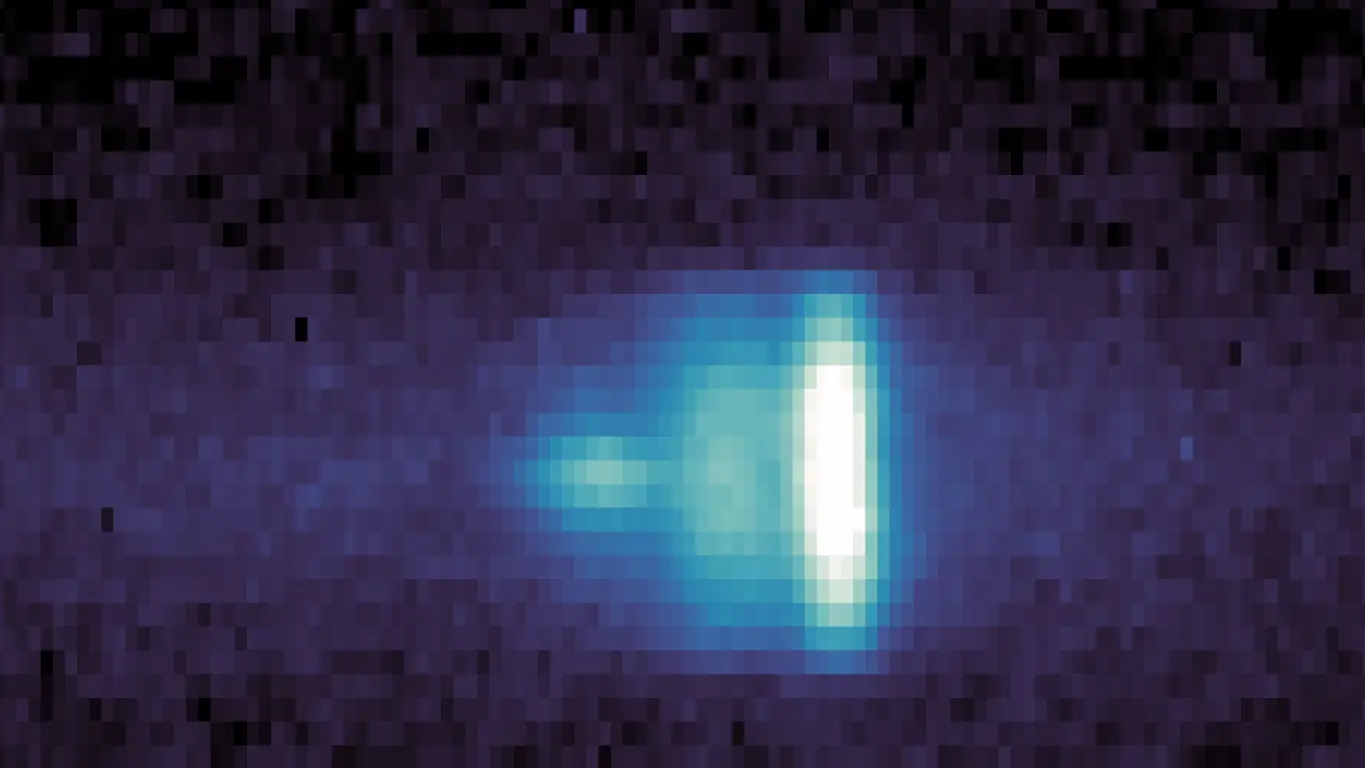
'Potentially hostile alien threat' is moving through space thanks to 'jets' as it nears Earth

Fans of 3I/ATLAS have been treated to another update as non-gravitational acceleration has been explained by experts.
Scientists, who have been keeping their eyes on the interstellar space rock, are expecting it to complete its closest flyby to Earth in a matter of days.
It's a day which has been long awaited since it was found in July this year, with experts sharing updated snaps with the public as it has made its way around our solar system.
We can thank the Hubble Space Telescope for snaps shared of the terrestrial object, with it being the third interstellar object to enter our solar system and all - it'll go down in history, regardless.
Advert
Avi Loeb, a theoretical physicist, has even made claims about 3I/ATLAS over the months since its discovery, even coining it as a 'potentially hostile alien threat', making people second-guess the danger levels this rock may pose when it passes our planet.
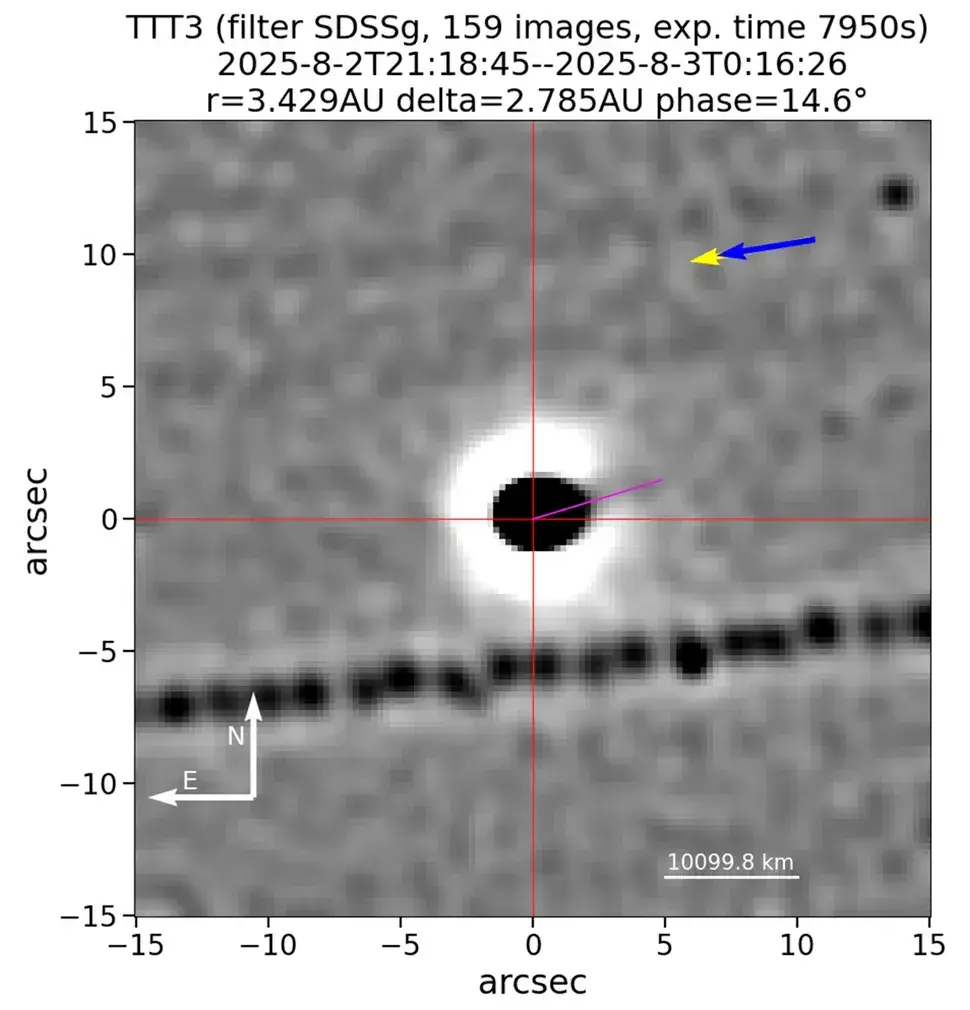
The comet has a number of unusual features, such as its tail and anti-tail, which have come to light in the five months since its discovery.
Recent studies have suggested that the object is actually experiencing a 'non-gravitational acceleration', which may sound like an engine or an energy source is powering it, but this is not always the case.
It's not a smooth process, with comets, and at least one (3200 Phaeton) having so-called jets of material which form its tail, that appears in images.
Apparently, the cloud of gas and dust surrounding the nucleus, which is often seen in images, is known as the coma and this can also be caused by the release of material.
What is non-gravitational acceleration?
This is what happens when a celestial body is accelerating, not due to the gravitational force of other planetary bodies or any stars, it's due to something called outgassing.
Essentially, when comets get closer to the sun, they heat up and start to sublimate, with its frozen ices starting to turn from solid to gas without becoming a liquid first, with this process often affecting the motion of the comet, producing non-gravitational acceleration.
Comets also rotate, and their uneven shapes often tell us that certain parts of the body may outgas quicker than others.
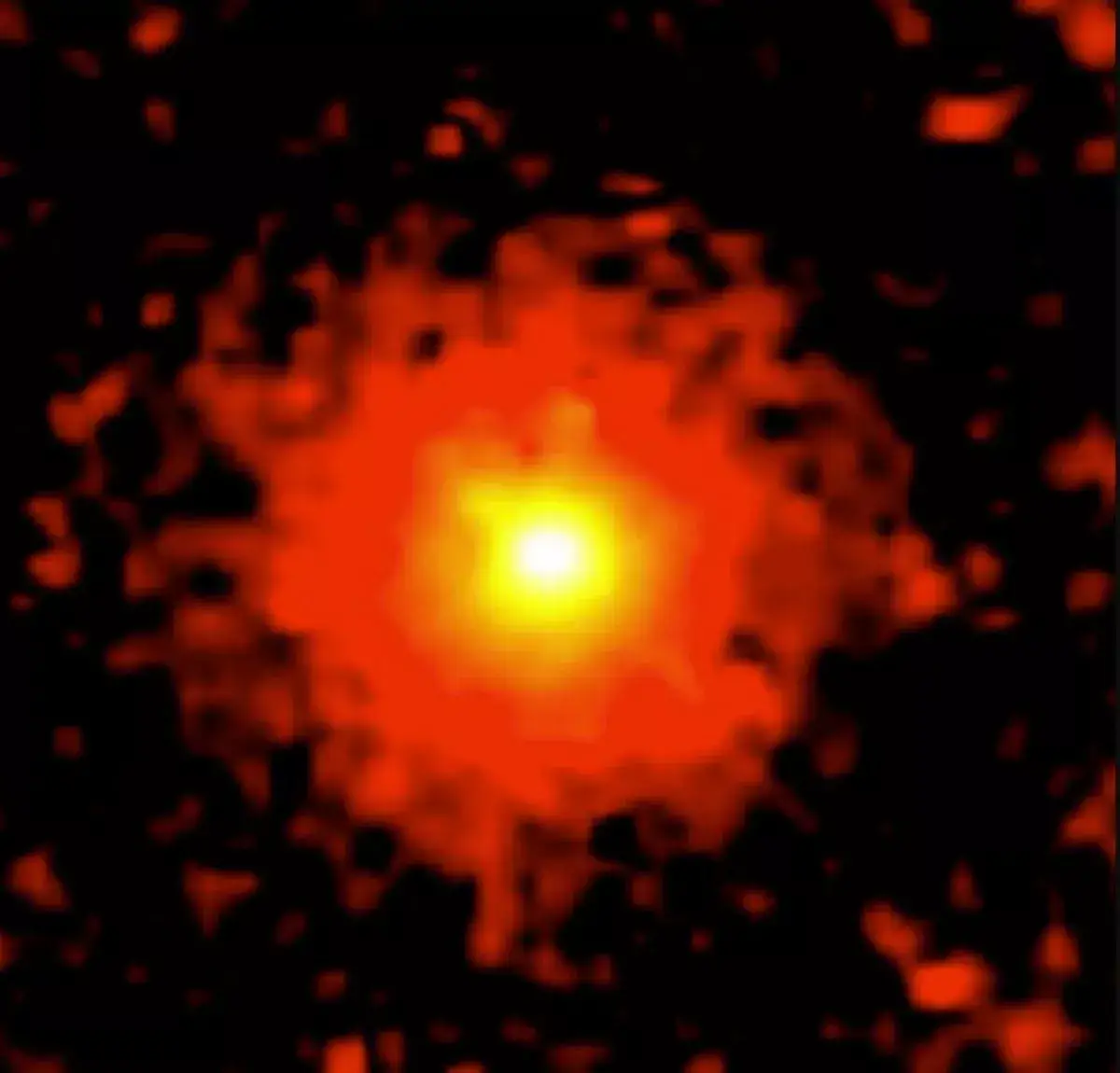
Researchers have been able to measure 3I/ATLAS' loss of material from Earth and with the help of orbiting telescopes, with these observations finding that an acceleration of around half a micron per second squared.
This isn't much but it can affect a predicted orbit over time when carrying out over large distances and amounts of time.
A new study even revealed that 3I/ATLAS's nucleus might be around 375 metres, smaller than previous estimates, based on past examples.
Topics: Science, Space, World News, NASA
 Joshua Nair