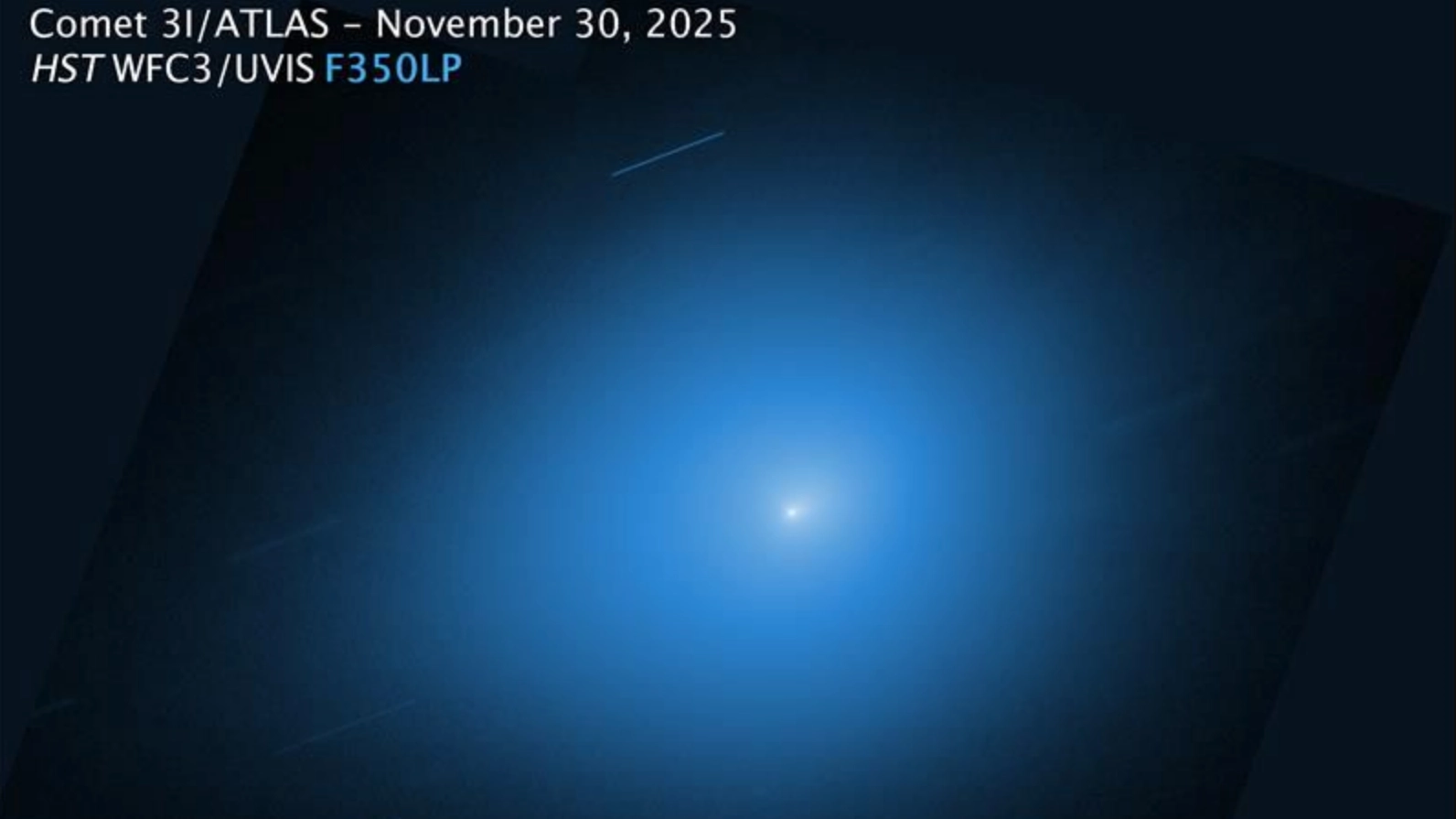
New image of ‘potentially hostile alien threat’ shows it displaying incredibly unusual sign

New images of the 'potentially hostile alien threat' in space have revealed another unusual detail.
The mysterious spacial object, which is now being referred to by science boffins as 3I/ATLAS, is only the third interstellar object from outside our solar system 'to be discovered passing through our celestial neighbourhood', according to NASA.
Thankfully, the US-based space company seem convinced that it poses no real threat to humanity, unlike the many asteroids we've been warned about hitting the Earth over the years, but other scientists seem to suggest that there may well be 'active intelligence' behind the unusual comet.
Yes, that does mean that certain folks feel that 3I/ATLAS may not be a comet but actually an alien spaceship, which is passing through our celestial neighbourhood as it takes a good look at planet Earth, no doubt wondering whether we're a species that are worth taking over.
Advert
Although the current state of the world might mean that we're safe from any interested aliens coming down for a look, unless they really love Labubus or the music of Olivia Dean, the prospect of them attacking the Earth is less funny.
Thanks to the power of incredible technology and telescopes, such as the one named after former NASA administrator James Webb, we've been able to keep a close eye on the comet as it passes close to the Earth.
And some of the newer photos have only increased the mystery surrounding it, as scientists suggested that they discovered a heartbeat-type sound within the celestial object earlier this week.
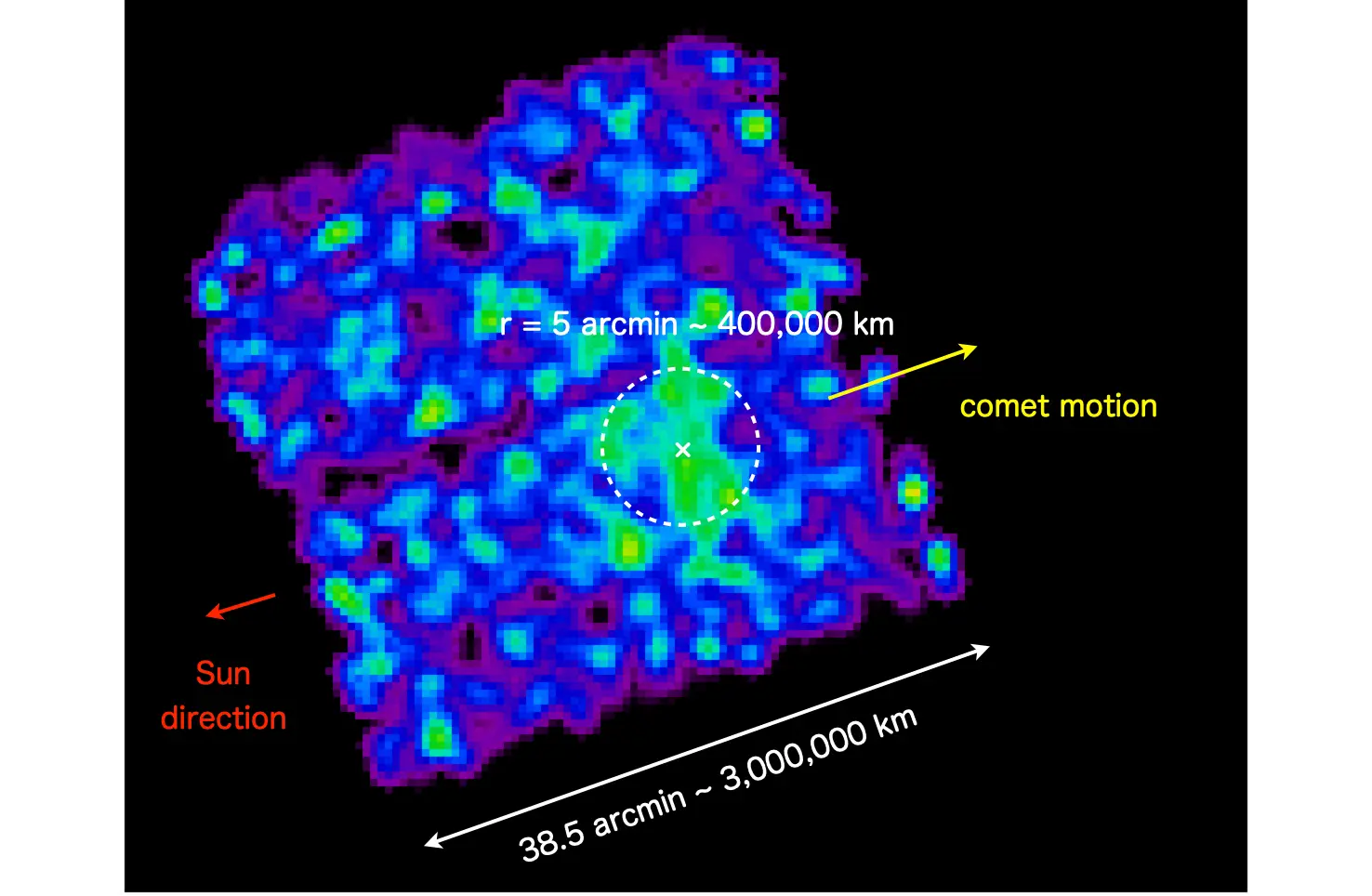
Now, observations from the X-ray telescope XRISM suggest that it is the first interstellar object with an X-ray signature, after it had also been identified as the fastest, oldest and largest comet to pass through in recent years, with 1I/’Oumuamua in 2017, and Comet 2I/Borisov in 2019 pale in comparison.
While it must be noted that it is perfectly normal for comets to emit X-rays, this is the first time we've been able to actually see it, because it originates from interactions between the plasma released at high speed by the Sun and the coma, the atmosphere of the comet.
This in turn produces electrons with a temperature of millions of degrees, so it's the last thing you'd want to come into contact with, but fortunately NASA have confirmed the closest it will come to Earth is on 19 December, and even then it's expected to be around 170 million miles away.
Professor Brian Cox has previously put down any rumours that the comet might be alien in its origin.
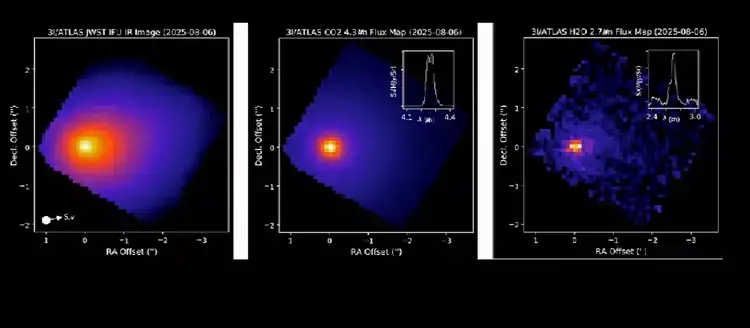
He wrote: “Comet 3I/ATLAS is a comet, made of carbon dioxide and water ices and bits of other stuff. It is entirely natural in origin, its orbit is as expected, and it will whizz around the sun and then disappear off into the galaxy again.
"If it ever encounters another inhabited solar system in the far future I hope the living things there are more sensible than us and enjoy it for what it is - a visitor from elsewhere in the galaxy - a pristine lump of rock and ices which formed around a distant, maybe long-dead star billions of years ago and many light years away, just passing through.
"Isn’t that wonderful enough?”
So, while we might have discovered another unusual thing about 3I/ATLAS, that's probably something science should celebrate, rather than assuming that it must be aliens out to attack the Earth, perhaps just because Baba Vanga told us that aliens might arrive in 2025.
 James Moorhouse